
El Nino Climate Threat Poses Severe Economic and Human Toll
The powerful El Nino weather pattern threatens 451,000 additional heat deaths globally, carrying severe economic and inflationary risks for developing markets including Pakistan.
The Core Development
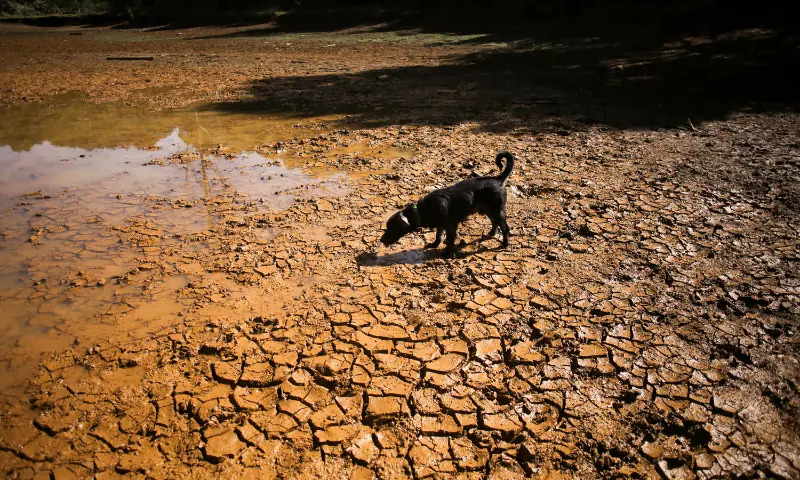
This year's powerful El Nino weather pattern is projected to cause up to 451,000 additional heat-related deaths worldwide through February, significantly compounding the trajectory of human-induced climate change. Declared in June and tracking toward a historic peak, the warming phenomenon amplifies baseline temperatures globally. New projections released by the Climate Impact Lab at the University of Chicago indicate that developing countries will bear the brunt of this mortality toll during the critical June-to-February period. Regional vulnerabilities are acutely pronounced in the African Sahel, where models estimate an additional 66,800 heat-induced fatalities, with Nigeria alone accounting for nearly half of that total. Meteorologists and climatologists emphasize that the convergence of El Nino with ongoing baseline warming creates unprecedented stress on public health infrastructure, labor output, and agrarian stability across the Global South.
Commercial & Economic Implications
For industrial and commercial stakeholders in Pakistan, the intensification of global weather anomalies carries direct transmission channels to domestic inflation, supply chain resilience, and wholesale distribution networks. Extreme heatwaves and erratic monsoon shifts heavily disrupt agricultural yields, driving up raw material costs for food processors, textile millers, and commodity traders. As crop failures or diminished outputs materialize in key producing regions, global commodity prices surge, instantly translating into imported inflation for net-importer economies. Retail trade and wholesale distribution sectors face margin compression as purchasing power erodes under escalating utility tariffs and food price volatility. Furthermore, diminished labor productivity during peak heat cycles directly impacts manufacturing output, construction timelines, and port logistics, creating bottlenecks that ripple across the entire domestic supply chain.
Related Intelligence: Ethiopian Rebel Alliance Threatens Stability and Regional Trade
Stakeholder Perspectives & Market Reactions
Leading trade bodies, agricultural associations, and corporate risk analysts have voiced mounting concern over the lack of robust adaptation mechanisms to counter weather-driven market shocks. Representatives from major chambers of commerce stress that erratic climate patterns necessitate immediate structural interventions, including modernized cold-chain logistics, upgraded warehousing infrastructure, and subsidized crop insurance schemes. Economists argue that monetary policy frameworks must account for climate-induced supply shocks, which frequently bypass traditional demand-management tools. Legal and policy experts are increasingly calling for mandatory corporate disclosures regarding climate vulnerabilities, urging firms to integrate extreme weather contingencies into their baseline operational models to safeguard investor confidence and market stability.
Forward Outlook & Key Watchpoints
As the El Nino cycle approaches its projected peak in the coming months, policymakers and market participants must closely monitor critical indicators, including international commodity futures, domestic food price indices, and regional meteorological updates. Key watchpoints for the upcoming quarters include central bank adjustments in response to imported food inflation, government fiscal allocations for disaster mitigation, and corporate earnings reports reflecting supply chain disruptions. Stakeholders across the commercial landscape must prioritize agile risk management, diversifying sourcing corridors, and investing in energy-efficient infrastructure to insulate operations against escalating environmental volatility.
Join Our Official WhatsApp Channel
Receive live commodity alerts, policy changes, and commercial intelligence directly on WhatsApp.