
Gaza Faces Israeli Elections Amid Deep Skepticism and Escalating Stakes
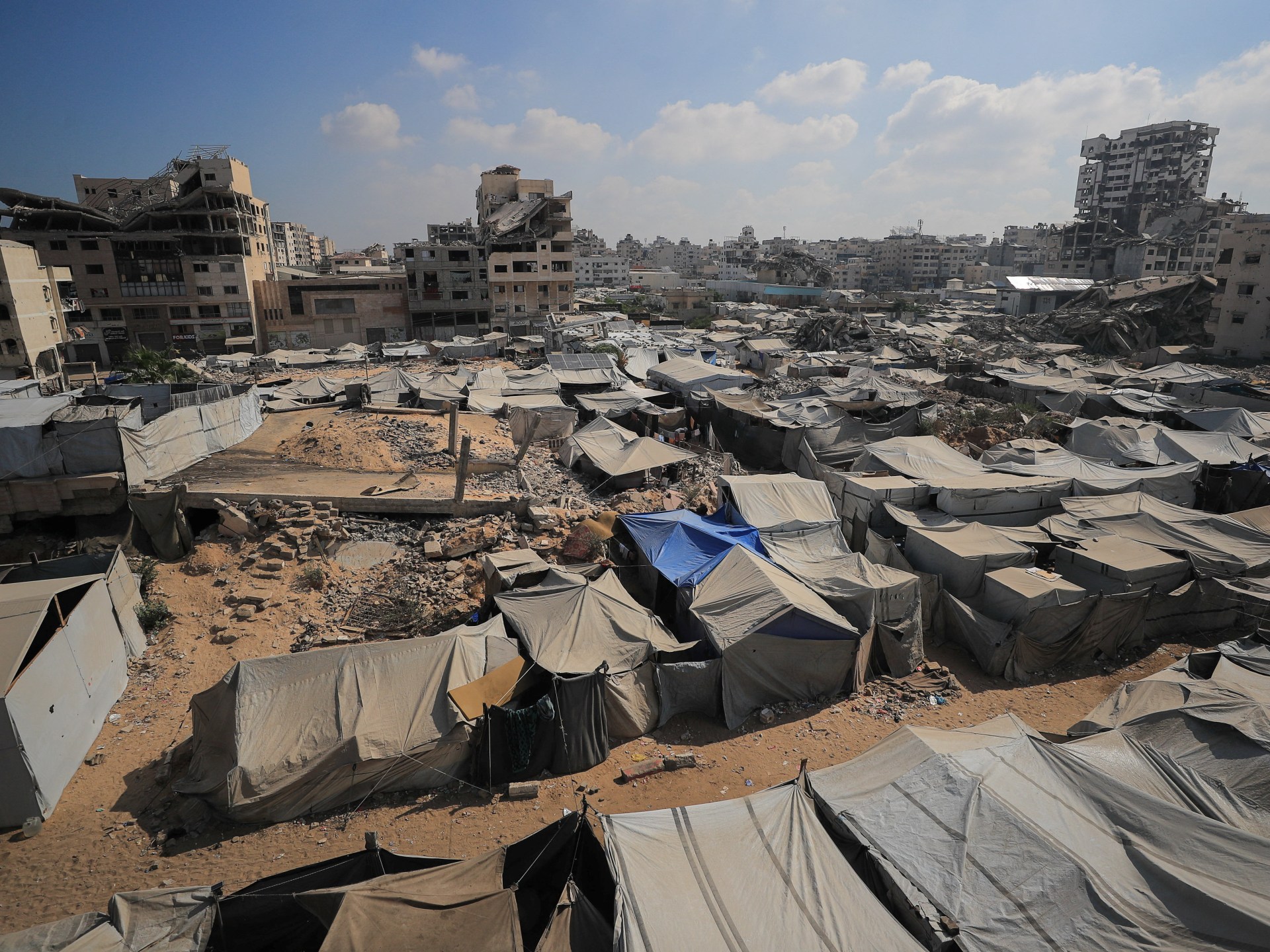
Palestinians in Gaza watch Israel's upcoming general elections with profound apathy and apprehension, anticipating no relief from ongoing blockades or economic hardship regardless of the political outcome.
Geopolitical & Core Developments
As Israel approaches another critical electoral cycle, the mood across the blockaded Gaza Strip is characterized by a stark mixture of apprehension and profound detachment. For decades, the political discourse within Israeli electoral campaigns has largely sidelined Palestinian rights and aspirations, focusing instead on security postures, domestic economic issues, and coalition dynamics. Palestinians following the campaign closely note that regardless of which political bloc secures a parliamentary majority, the core structural policies governing the occupation, border restrictions, and military operations remain largely unchanged.
State actors across the region are closely monitoring the political shifts within the Knesset, as coalition formations often dictate the intensity of border escalations, diplomatic engagements, and security coordination. The strategic stakes for Gaza are immense; residents live under the immediate weight of political decisions made in Jerusalem, where electoral rhetoric frequently hardens into restrictive military policies. Historical precedents suggest that electoral campaigns in Israel often coincide with heightened security postures, leaving ordinary citizens in Gaza vulnerable to sudden escalations driven by domestic political maneuvering.
[Global Trade](/news/trump-xi-jinping-us-summit-global-trade-geopolitics) & Economic Ripples
While the immediate humanitarian crisis in Gaza commands primary focus, the broader geopolitical instability generated by recurrent political turmoil in Israel reverberates through global commodity markets and commercial shipping lanes in the Eastern Mediterranean. Prolonged geopolitical friction directly impacts regional investment, particularly regarding offshore natural gas exploration projects in the Levant Basin. International energy firms operating in the region must constantly re-evaluate risk assessments, factoring in the potential for sudden military flare-ups that can disrupt extraction operations, pipeline infrastructure, and maritime transit routes.
Furthermore, the persistent blockade of Gaza and the cyclical nature of regional conflicts impose severe constraints on local economic development, stifling potential trade corridors that could otherwise integrate the Palestinian territories into wider Middle Eastern commercial networks. Global supply chains remain sensitive to any escalation that threatens the Suez Canal corridor or adjacent maritime chokepoints, amplifying inflationary pressures on international shipping insurance and energy commodities whenever geopolitical tensions spike in the immediate vicinity.
Related Intelligence: Nepal Flood Crisis Tests Regional Supply Chains and Climate Resilience
International Reactions & Diplomatic Stances
The international community has expressed continuous concern over the protracted political stalemate and its humanitarian consequences for the Palestinian population. Officials from the United Nations and various multilateral bodies have repeatedly emphasized that sustainable regional stability requires a definitive political horizon that addresses the root causes of the Israeli-Palestinian conflict rather than relying on temporary containment strategies.
Major global economies and regional powers have urged restraint during the electoral period, calling for the protection of civilian infrastructure and the unimpeded flow of humanitarian assistance into Gaza. However, market analysts and diplomatic observers note a growing fatigue among international donors, as recurring political crises in Israel routinely derail diplomatic initiatives and peace frameworks, leaving humanitarian agencies to perpetually manage symptoms rather than systemic solutions.
Strategic Outlook & Future Scenarios
Looking ahead, the trajectory of Israeli-Palestinian relations remains precarious, heavily dependent on the composition of the forthcoming government coalition. A shift toward a more hardline administration could cement current exclusionary policies, heightening the risk of localized military confrontations and further internationalizing the diplomatic standoff. Conversely, a coalition prioritizing regional stabilization might open narrow pathways for negotiated humanitarian relief and calibrated economic easing in the Strip.
Upcoming international summits and diplomatic forums will likely focus on containing spillover risks and attempting to revive dormant peace frameworks. However, without a fundamental paradigm shift in geopolitical strategy, the overarching outlook for Gaza remains defined by structural isolation, economic stagnation, and persistent vulnerability to the shifting political winds of Israel's domestic electoral landscape.
Join Our Official WhatsApp Channel
Receive live commodity alerts, policy changes, and commercial intelligence directly on WhatsApp.