
Iran Proposes Seven-Day Roadmap to Ease US Tensions and Reopen Hormuz
Tehran has unveiled a seven-day diplomatic roadmap to resolve conflicts with the United States, offering to secure the Strait of Hormuz in exchange for halting regional hostilities.
Geopolitical & Core Developments
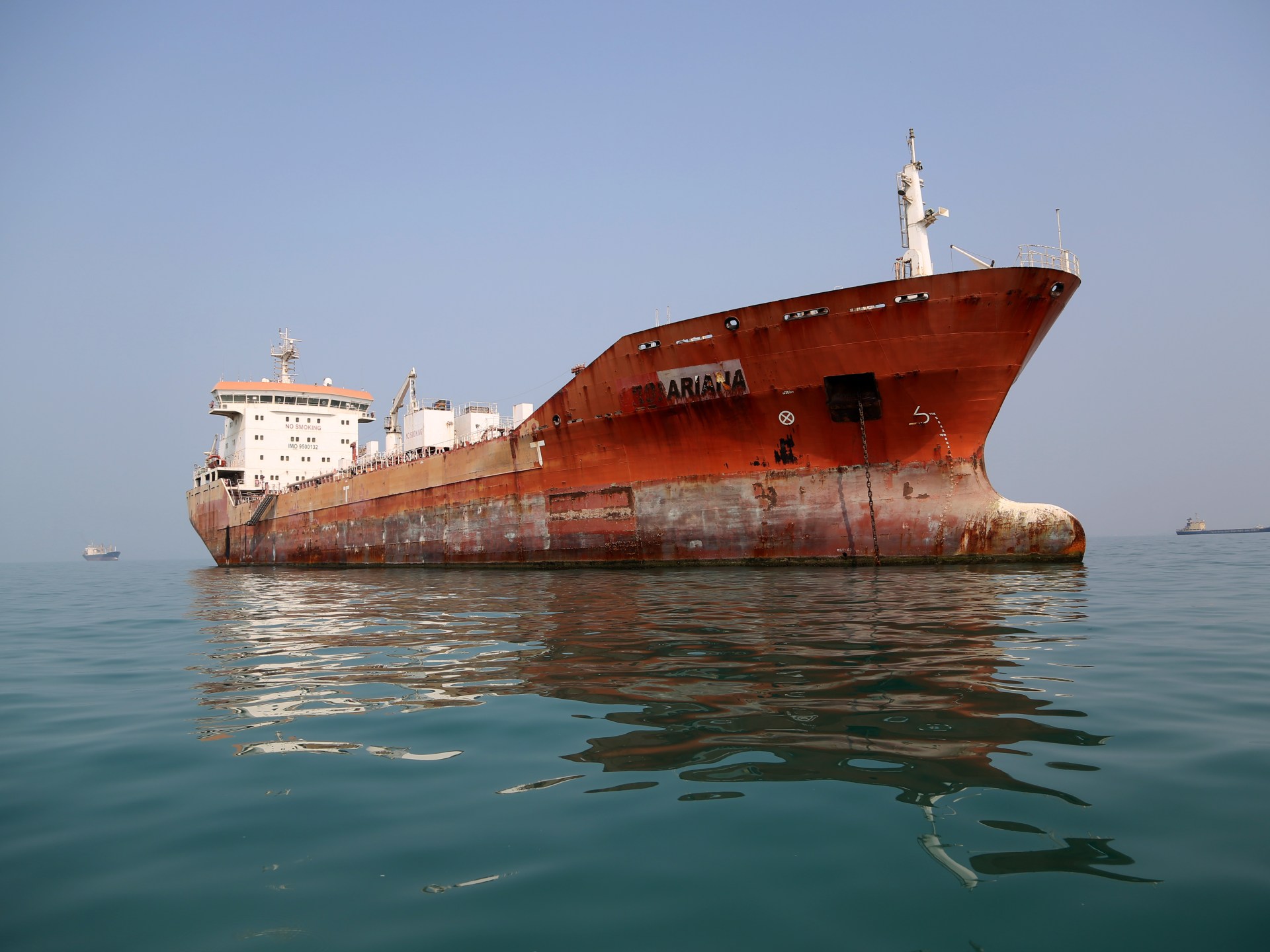
Tehran has formally introduced an ambitious seven-day diplomatic roadmap aimed at de-escalating tensions with the United States and reviving a previously stalled framework for regional stability. According to reports from Al Jazeera, Iranian authorities are seeking the rapid implementation of a phased ceasefire arrangement that addresses core security grievances held by both state actors. The initiative hinges on a mutual cessation of hostilities across multiple regional flashpoints, creating a secure operational window for diplomatic engagement. At the heart of Tehran's proposal is a concrete security guarantee regarding the Strait of Hormuz, a critical global maritime chokepoint that has faced persistent threats amid escalating geopolitical friction. By offering to unblock and safeguard maritime traffic in the passage, Iranian leadership is positioning the roadmap as a pragmatic bridge toward broader diplomatic normalization. State actors and regional mediators are currently reviewing the parameters of the timeline, evaluating whether the compressed seven-day execution window is politically feasible given deep-seated distrust between Washington and Tehran.
Global Trade & Economic Ripples
The immediate commercial implications of Tehran's proposal reverberated swiftly through global energy markets, shipping lanes, and commodity exchanges. The Strait of Hormuz carries roughly one-fifth of the world's petroleum consumption, making any credible assurance of safe passage a major deflationary catalyst for crude oil futures. Benchmark Brent and WTI crude contracts experienced downward pressure as traders priced in the lower risk premium associated with potential supply disruptions in the Persian Gulf. International shipping lines and maritime insurance syndicates, which had levied exorbitant risk surcharges on vessels transiting the Middle East, welcomed the prospect of normalized navigation. Beyond hydrocarbons, regional supply chains dependent on stable logistics corridors anticipate relief from protracted transit delays and elevated freight rates. However, commodity analysts remain vigilant, noting that currency values in emerging market economies heavily reliant on imported energy will remain volatile until the roadmap transitions from diplomatic rhetoric to verifiable execution on the ground.
Related Intelligence: Ethiopian Conflict Resurges as Tigray Fighting Disrupts Regional Stability
International Reactions & Diplomatic Stances
International response to the seven-day roadmap has been characterized by a mixture of cautious optimism and intense diplomatic scrutiny. United Nations officials issued a statement welcoming any credible initiative that prioritizes dialogue and protects civilian shipping lanes, while emphasizing the necessity of verifiable compliance from all participating parties. Western capitals, including Washington and key European allies, have responded with measured skepticism, signaling that any comprehensive agreement must address broader security concerns, including regional proxy activities and nuclear file developments. Market analysts at major financial institutions have advised institutional clients to maintain diversified hedging strategies, pointing out that previous diplomatic breakthroughs in the region have frequently derailed during the implementation phase. Meanwhile, regional powers in the Gulf have engaged in back-channel consultations to ensure their strategic interests are fully represented in any emerging framework.
Strategic Outlook & Future Scenarios
As the diplomatic clock ticks down on Tehran's proposed seven-day window, the immediate trajectory of international relations depends heavily on Washington's formal response and the willingness of regional proxies to stand down. Should the United States and its allies accept the framework as a viable basis for negotiation, upcoming international summits and ministerial meetings will likely incorporate the roadmap into their formal agendas. Conversely, a rejection or breakdown of the talks could trigger an escalation cycle, leading to renewed sanctions, heightened military posture in the Persian Gulf, and renewed upward pressure on global commodity prices. For international traders and corporate strategists, the coming days represent a critical inflection point requiring agile risk management and close monitoring of diplomatic channels across major capitals.
Join Our Official WhatsApp Channel
Receive live commodity alerts, policy changes, and commercial intelligence directly on WhatsApp.