
UN Warns Historic El Nino to Intensify Ahead of December Peak
The UN warns that an exceptionally strong El Nino weather phenomenon will intensify before peaking in December, threatening global climate stability and domestic economic corridors in Pakistan.
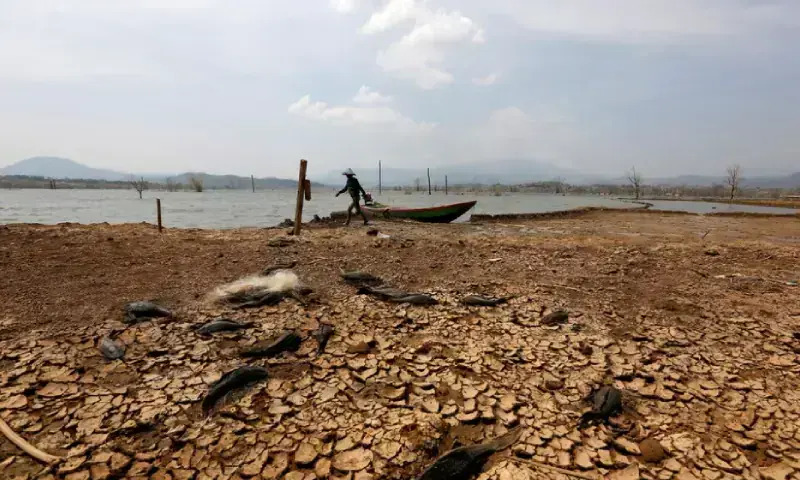
The Core Development
The United Nations has issued an authoritative global alert confirming that the ongoing El Nino weather phenomenon will continue to intensify before reaching its anticipated peak in December. According to the monthly Global Seasonal Climate Update released by the World Meteorological Organisation (WMO), this naturally occurring climatic cycle is tracking toward becoming one of the most powerful episodes recorded since 1950. The phenomenon, characterized by a warming of surface ocean temperatures in the central and eastern tropical Pacific, is set to drive elevated global temperatures across major landmasses. Crucially, the WMO underscores that the impacts of this meteorological event will compound the persistent effects of man-made climate change, creating an unprecedented compounding shock to global atmospheric and hydrological systems.
Commercial & Economic Implications
For Pakistan's domestic economy, the intensification of El Nino carries profound implications for retail trade, wholesale distribution networks, and macroeconomic stability. As global weather patterns shift, agricultural production faces immediate vulnerability, threatening staple crop yields including wheat, cotton, and rice. Any disruption to agrarian output directly impacts domestic supply chains, fueling food inflation and straining retail markets across major urban and rural centers. Wholesale distributors anticipate margin pressures as transportation and logistics costs fluctuate alongside erratic weather events. Furthermore, energy demand profiles will shift unpredictably, placing additional fiscal burdens on industrial manufacturers and commercial enterprises striving to maintain operational continuity amid rising overheads.
Related Intelligence: Indonesian Wildfires Trigger Regional Crisis and Commodity Supply Risks
Stakeholder Perspectives & Market Reactions
Business councils, trade associations, and agricultural bodies in Pakistan are closely monitoring international meteorological advisories to calibrate their operational strategies. Industry representatives note that prolonged dry spells or unseasonal heavy precipitation could severely disrupt raw material availability for the textile and food processing sectors. Financial analysts warn that persistent supply-side shocks driven by climate anomalies could complicate the central bank's monetary policy stance, keeping interest rates elevated to curb imported and domestic cost-push inflation. Stakeholders are increasingly demanding proactive institutional frameworks, robust early-warning systems, and targeted government subsidies to safeguard vulnerable supply chains from extreme climatic volatility.
Forward Outlook & Key Watchpoints
As the WMO's projected December peak approaches, policymakers, market regulators, and business leaders must maintain rigorous vigilance over macroeconomic indicators and commodity price indices. Key watchpoints include monthly Consumer Price Index (CPI) prints, agricultural yield forecasts issued by federal authorities, and international commodity futures trading trends. Long-term mitigation will require coordinated fiscal interventions, enhanced supply chain resilience, and strategic grain and fuel reserves. Failure to adequately prepare for the cascading commercial fallout of a historic El Nino cycle risks destabilizing regional trade balances and aggravating inflationary pressures on Pakistani consumers heading into the new fiscal quarter.
Join Our Official WhatsApp Channel
Receive live commodity alerts, policy changes, and commercial intelligence directly on WhatsApp.