
EU and China Open High-Stakes Beijing Trade Talks Amid Rising Deficit Pressures
High-stakes trade negotiations have commenced in Beijing between European Union and Chinese officials, centering on a staggering one billion euro daily deficit and contentious rare earth export controls.
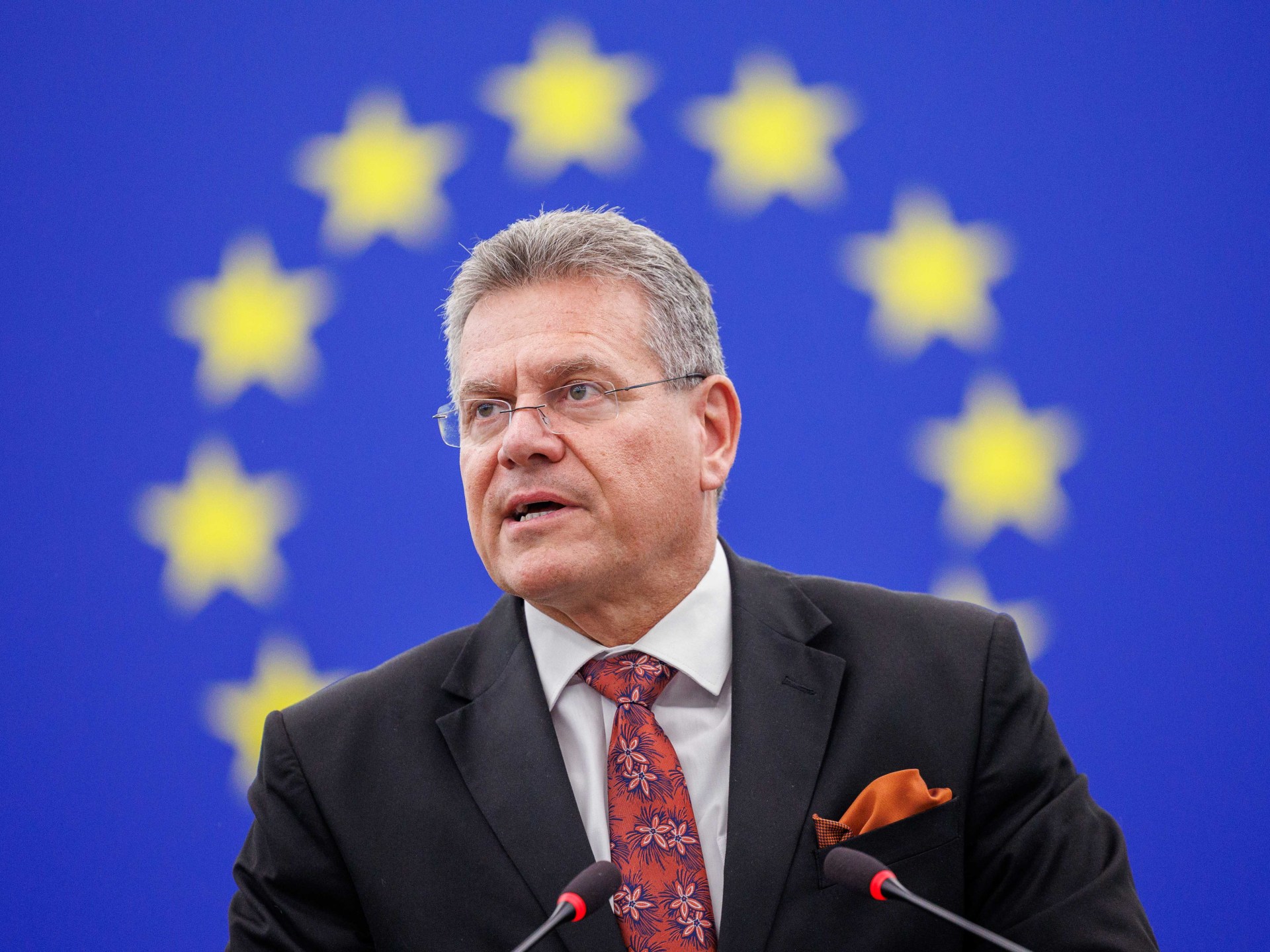
Geopolitical & Core Developments
Delegates from the European Union and the People's Republic of China have convened in Beijing for a critical round of bilateral trade consultations, taking place against a backdrop of escalating economic friction. At the center of the diplomatic agenda is the bloc's formidable trade imbalance, which currently sees Europe running a daily deficit of approximately one billion euros with the world's second-largest economy. Brussels has increasingly characterized this imbalance as structurally unsustainable, driven by state-directed industrial policies in Beijing that European officials argue distort international competition. The discussions come at a pivotal juncture for transatlantic and Eurasian relations, as European policymakers attempt to de-risk their economic dependencies without triggering a full-scale trade war. Core deliberations are addressing market access barriers, industrial subsidies, and the contentious deployment of unilateral defensive trade instruments by the European Commission.
Global Trade & Economic Ripples
The talks carry profound implications for global supply chains, particularly concerning advanced manufacturing, renewable energy infrastructure, and high-technology sectors. A primary flashpoint in the negotiations involves Beijing's stringent export controls on critical raw materials and rare earth elements, which are indispensable for electric vehicle production, wind turbines, and defense electronics. Restrictions on these strategic commodities have already sent shockwaves through international commodity markets, inflating input costs for European industrial giants and forcing a rapid diversification of procurement networks. Furthermore, ongoing disputes over maritime shipping lanes, container logistics, and currency valuations compound the commercial uncertainty. Industrial stakeholders across both jurisdictions are closely monitoring the talks for any signals regarding potential tariff escalations, quotas, or regulatory compliance hurdles that could disrupt transnational commerce.
Related Intelligence: Houthi Airport Attacks Spark Gulf Security and Trade Alarm
International Reactions & Diplomatic Stances
Official positions from both capitals reflect deep-seated strategic divergence, even as both sides acknowledge the necessity of continued dialogue. European trade representatives have emphasized the principle of reciprocity, demanding a level playing field that protects domestic industries from subsidized overcapacity. Conversely, Beijing has maintained that its export restrictions are fully compliant with international trade rules and are implemented to protect national security and environmental sustainability. Multilateral observers, including the World Trade Organization, have urged restraint, warning that protracted protectionist measures threaten global economic recovery. Market analysts remain skeptical of an immediate breakthrough, noting that fundamental disagreements over industrial policy and state intervention will require prolonged, incremental diplomacy to resolve.
Strategic Outlook & Future Scenarios
Looking ahead, the trajectory of EU-China economic relations will likely pivot on the outcomes of upcoming bilateral summits and regulatory reviews. If these Beijing talks fail to yield concrete concessions on market access and rare earth supplies, Brussels is widely expected to accelerate the implementation of anti-subsidy investigations and targeted countervailing duties. This could precipitate retaliatory measures from Beijing, potentially targeting European agricultural exports, luxury goods, and automotive sectors. The broader geopolitical landscape suggests a protracted period of managed strategic competition, where commercial ties are increasingly subordinated to national security imperatives and geopolitical realignment.
Join Our Official WhatsApp Channel
Receive live commodity alerts, policy changes, and commercial intelligence directly on WhatsApp.