
UN Signals Fragile Window for Peace in Democratic Republic of Congo
The United Nations reports diplomatic progress toward stabilizing eastern DR Congo, warning that humanitarian distress and militia clashes still imperil mineral supply chains and regional peace.
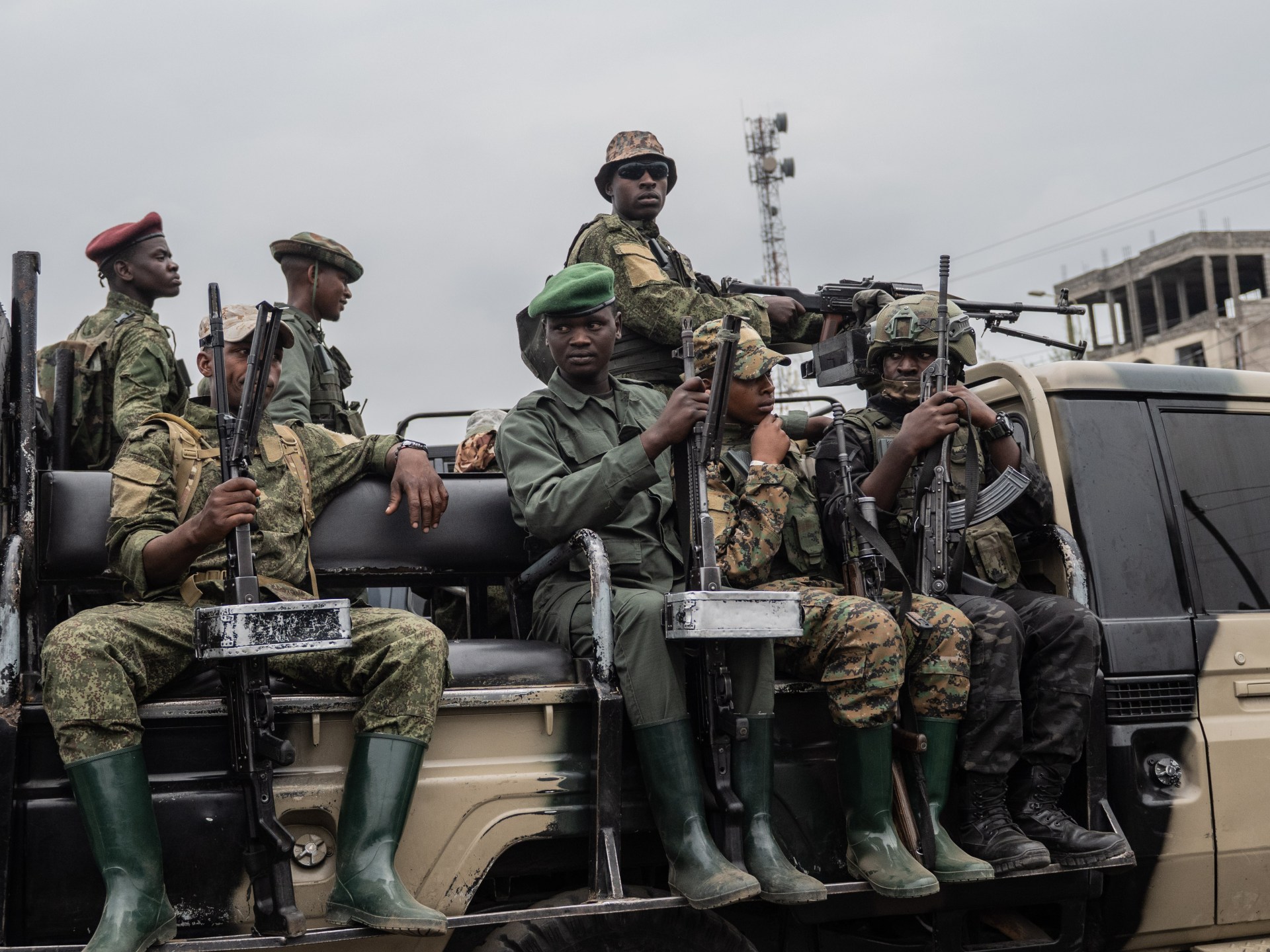
Geopolitical & Core Developments
A pivotal diplomatic phase has emerged in eastern Democratic Republic of the Congo (DRC), with the United Nations highlighting a fragile window of opportunity to broker peace amidst a protracted crisis. Despite persistent skirmishes between state armed forces, allied militias, and the prominent March 23 Movement (M23), senior UN envoys report incremental progress in regional mediation. The epicenter of the conflict across North Kivu and South Kivu provinces has created severe operational disruption, displacing millions and severely straining regional governance structures.
Strategic tensions between Kinshasa and Kigali remain the fundamental geopolitical fault line. Congolese authorities continue to accuse neighboring Rwanda of offering direct logistics and tactical backing to M23 insurgents, an allegation consistently dismissed by Kigali, which counters with grievances regarding the Democratic Forces for the Liberation of Rwanda (FDLR). The Luanda and Nairobi peace frameworks, mediated by regional leaders, have established baseline mechanisms for de-escalation, yet enforcement mechanisms on the ground remain vulnerable to sudden escalations by non-state armed actors.
Global Trade & Economic Ripples
The strategic ramifications of the conflict extend far beyond regional borders, directly influencing international commodities and industrial manufacturing networks. The DRC serves as the world’s dominant producer of cobalt—accounting for over 70 percent of global supply—and stands among the premier global sources of copper, tantalum, and coltan. These critical minerals constitute the backbone of global energy transition technologies, electronics, aerospace, and electric vehicle battery architectures.
Logistical routes running from the mining heartlands toward maritime ports in East and Southern Africa, including corridors through Tanzania and Kenya, face recurring security assessments and heightened commercial risk premiums. International trading firms and supply chain managers are contending with elevated freight insurance rates and increased scrutiny over raw material sourcing integrity. Heightened physical risks to regional transit corridors introduce volatility to global copper and cobalt futures, forcing institutional buyers to explore secondary hedging strategies and diversify procurement across alternative jurisdictions.
Related Intelligence: State-Backed Football Giants Clash Amid Rising Scrutiny Over Sovereign Capital
International Reactions & Diplomatic Stances
Multilateral bodies have underscored the dual urgency of humanitarian relief and state-level diplomacy. United Nations envoys have pressed all regional stakeholders to capitalize on ongoing mediation sessions to consolidate durable ceasefires, emphasizing that military options alone cannot resolve deep-seated ethnic and territorial grievances. The UN Security Council has repeatedly affirmed its commitment to DRC sovereignty while urging full compliance with international humanitarian standards.
The African Union and regional trading blocs, including the East African Community (EAC) and the Southern African Development Community (SADC), continue to adjust their collective security footprints. Western capitals, led by the European Union and the United States, have reiterated calls for the cessation of external support to rebel factions and the safeguarding of mineral provenance regimes to prevent illicit exploitation from fueling ongoing combat operations.
Strategic Outlook & Future Scenarios
The near-term outlook for the DRC hinges on whether the Luanda-led diplomatic momentum can translate into verifiable disarmament and troop redeployments. A failure to institutionalize ceasefire monitoring mechanisms risks igniting a broader inter-state confrontation that could draw in surrounding Great Lakes states, completely shuttering vulnerable border posts and cross-border transport nodes.
Conversely, a successful institutionalization of peace talks could open avenues for substantial multinational infrastructure investments and regularized logistics corridors, reducing the risk premium on Central African supply chains. As global powers accelerate the race for critical transition minerals, the geopolitical stability of eastern DR Congo remains a decisive metric for international manufacturing security and regional economic integration.
Join Our Official WhatsApp Channel
Receive live commodity alerts, policy changes, and commercial intelligence directly on WhatsApp.