
UN Security Council Convenes as Haiti Gang Ambush Threatens Stabilization Mission
The UN Security Council has convened an emergency session following an ambush on international security personnel in Haiti, raising critical questions regarding the viability and funding of the multinational stabilization mission.
Geopolitical & Core Developments
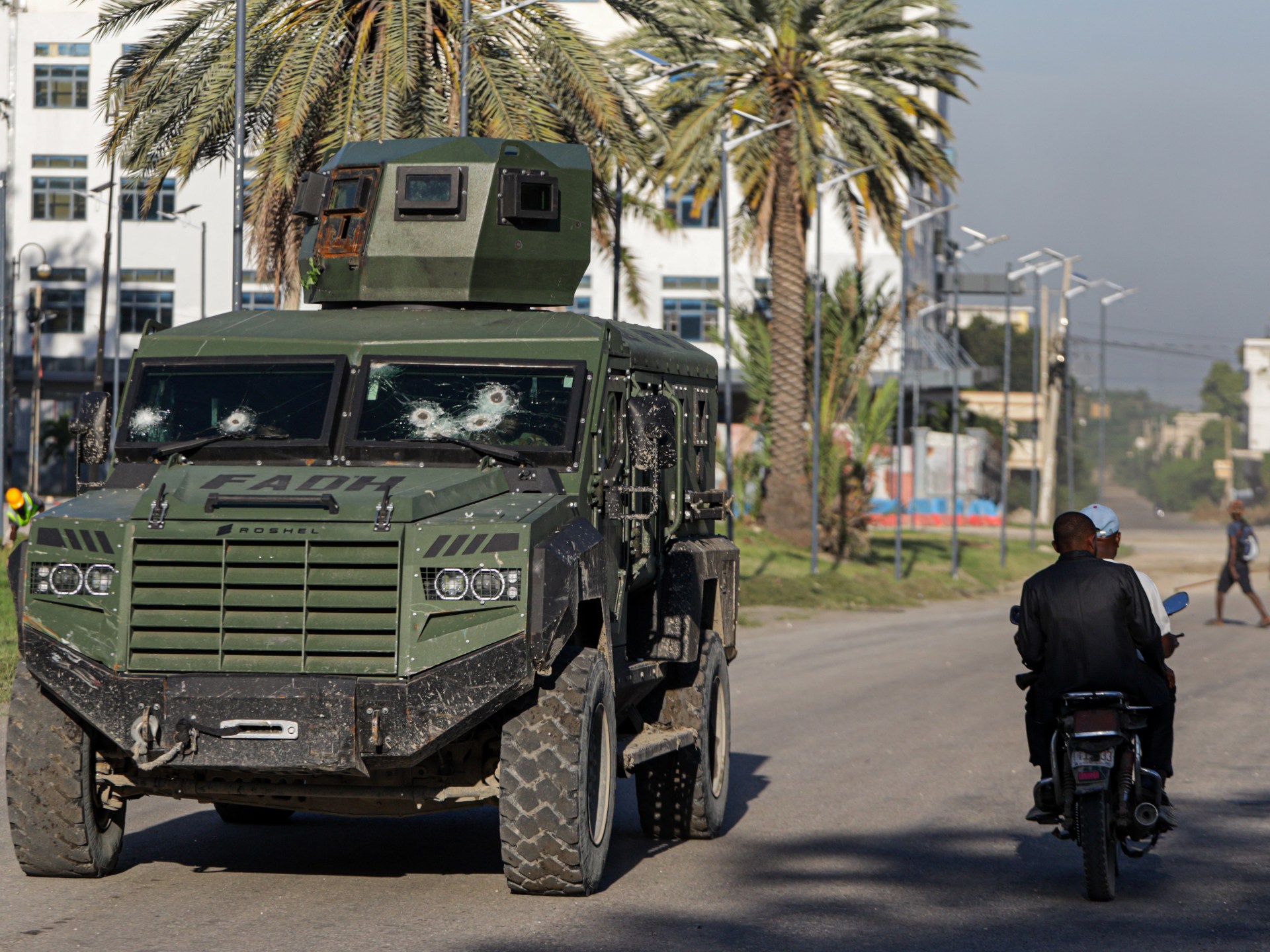
The United Nations Security Council met in an extraordinary session this week following an armed ambush in Port-au-Prince that left four soldiers affiliated with the UN-backed multinational force missing. Search and rescue operations remain active across contested sectors of the Haitian capital, where heavily armed criminal coalitions continue to challenge state authority and international security personnel.
The Multinational Security Support (MSS) mission, primarily led by Kenyan police forces alongside personnel from several Caribbean and international partners, was deployed to restore administrative control, secure critical infrastructure, and clear arterial corridors controlled by gang federations. However, asymmetric urban combat, intelligence deficits, and severe resource limitations have hindered operational effectiveness. This latest offensive against foreign-backed forces highlights the evolving tactical capabilities of the cartels, which now utilize sophisticated small arms and coordinated encirclement tactics. Diplomatic representatives in New York are confronting an increasingly acute crisis: whether to reinforce the current non-UN peacekeeping framework with enhanced rules of engagement, or officially transition the deployment into a formal, UN-funded blue helmet peacekeeping operation to ensure sustained logistics and air support.
Global Trade & Economic Ripples
While Haiti is not a major commodity producer, the acute breakdown of domestic governance exerts significant friction on Caribbean maritime transport, supply chains, and localized energy distribution. Port-au-Prince’s primary maritime terminal and secondary coastal access points have faced periodic operational suspensions, constraining fuel, grain, and containerized freight discharges. International maritime freight operators servicing the northern Caribbean basin have enacted war-risk insurance premiums and specialized security surcharges, incrementally increasing logistics costs across regional feeder routes.
Furthermore, the persistent governance vacuum has aggravated cross-border commercial disruptions with the Dominican Republic, impacting bilateral trade valued at over one billion dollars annually. The closure and militarization of overland trade corridors have redirected cargo flows, putting pressure on regional air-freight capacity and driving up food import bills. Humanitarian organizations warn that disruption to commercial agricultural supply lines is intensifying acute food insecurity, exacerbating currency depreciation for the Haitian gourde and compounding reliance on externally financed emergency food aid.
Related Intelligence: WFP Slashes Gaza Food Aid for 500,000 Amid Critical Funding Deficit
International Reactions & Diplomatic Stances
During the Security Council consultations, member states expressed grave concern regarding the tactical vulnerability of the MSS mission. The United States and regional partners reiterated calls for the international community to honor voluntary financial pledges, emphasizing that the mission's operational posture requires urgent air-mobility support, advanced surveillance assets, and armored transport vehicles. Washington continues to lobby for the transformation of the MSS into a formal UN peacekeeping mission, a transition designed to guarantee predictable assessed contributions and uniform logistical integration.
Conversely, permanent members including China and Russia have maintained a cautious stance, questioning whether deploying a conventional UN peacekeeping force is feasible without a viable political settlement and a functioning domestic interlocutor. Both nations highlighted that previous UN operations in Haiti faced structural and public-trust challenges, arguing instead that international assistance must prioritize stricter border controls and the enforcement of targeted arms embargoes to sever the flow of illicit weapons into the country.
Strategic Outlook & Future Scenarios
The trajectory of the security environment hinges on the outcome of UN funding negotiations and the prospective expansion of the MSS mission's tactical parameters. If member states fail to bridge the existing operational and financial deficits, the mission risks retrenching into static defense postures around diplomatic and transport hubs, effectively ceding urban centers to non-state armed actors.
Over the coming quarters, key milestones include the formal review of the MSS mandate and subsequent bilateral donor conferences. Should security forces fail to recover the missing personnel or suffer further operational setbacks, pressure will mount on troop-contributing nations to reconsider their commitments, potentially triggering a wider withdrawal that would leave the capital’s commercial and governance infrastructure vulnerable to complete institutional collapse.
Join Our Official WhatsApp Channel
Receive live commodity alerts, policy changes, and commercial intelligence directly on WhatsApp.