
Benny Gantz Withdraws From Israeli Election as Centrist Coalition Fractures
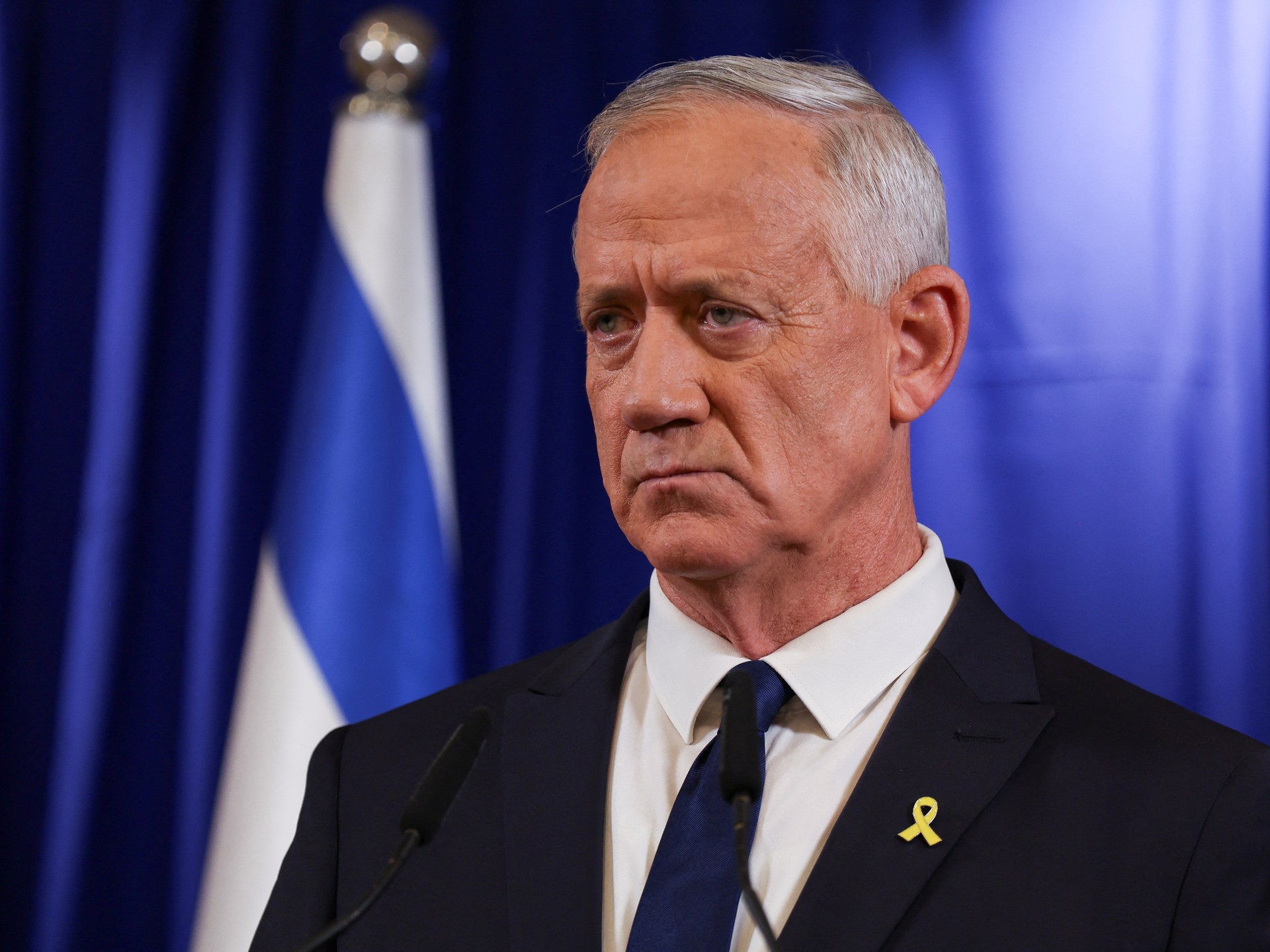
Former Israeli Defense Minister Benny Gantz has withdrawn from the parliamentary race after surveys projected his party falling below the electoral threshold, reshaping domestic coalitions and regional diplomacy.
Geopolitical & Core Developments
In a consequential realignment of Israel's domestic political landscape, former Defense Minister and alternate prime minister Benny Gantz has formally withdrawn his faction from the upcoming Knesset electoral contest. The strategic capitulation followed a series of authoritative internal and public opinion surveys indicating that his Blue and White alignment had deteriorated below the statutory 3.25 percent electoral threshold necessary to secure parliamentary representation.
Gantz, who previously served as the Chief of General Staff of the Israel Defense Forces, entered the political arena in late 2018 as a stabilizing centrist counterweight to Prime Minister Benjamin Netanyahu. Over consecutive electoral cycles, his movement anchored broad centrist coalitions, briefly participating in an emergency unity administration to navigate national security imperatives. However, persistent factional splintering, ideological compromises, and erosion of voter confidence steadily diminished the party's institutional standing. By stepping aside, Gantz averts the forfeiture of tens of thousands of centrist votes, effectively redistributing political capital across adjacent liberal and center-right parties competing to counter the incumbent right-wing bloc.
Global Trade & Economic Ripples
The ongoing volatility within Israeli political governance introduces critical uncertainties across broader Middle Eastern commercial interests. Global energy markets remain closely attuned to domestic Israeli policymaking due to the state's strategic role as an offshore natural gas producer via the Leviathan and Tamar fields. Sustained domestic governance vacuums risk slowing bilateral regulatory approvals required for expanded liquefied natural gas export infrastructure aimed at Southern European and Egyptian energy terminals.
Simultaneously, international capital markets have registered heightened vigilance regarding Israeli fiscal stability. Recurring electoral cycles place severe friction on long-term budgetary planning, sovereign debt issuance, and foreign direct investment in the state's dominant high-technology export sector. Shipping corridors and transit insurance premiums throughout the Eastern Mediterranean and Red Sea depend heavily on cohesive military-diplomatic command structures, meaning political unpredictability in Jerusalem directly factors into commercial logistics assessments for trans-regional freight.
Related Intelligence: Southern European Inflation Triggers Mass Protests and Economic Fragility
International Reactions & Diplomatic Stances
Diplomatic observers across Washington, European capitals, and regional signatory states to the Abraham Accords are parsing the ramifications of Gantz's withdrawal. Officials within the United States Department of State privately observe that the departure removes an established, moderate interlocutor frequently favored by Western defense establishments for his predictable operational doctrine.
Market analysts and policy institutes in Brussels and London note that the consolidation of the Israeli electorate could polarize parliamentary outcomes, complicating multilateral engagements concerning regional defense architecture, Palestinian governance, and normalization negotiations with regional Arab states. Financial rating agencies continue to highlight that persistent legislative polarization represents a structural drag on Israeli institutional governance, directly influencing sovereign risk evaluations.
Strategic Outlook & Future Scenarios
The immediate electoral trajectory points to aggressive competition among remaining centrist and center-left factions seeking to absorb Gantz's displaced voter demographic. Should these fragmented entities fail to establish disciplined electoral pacts prior to ballot finalization, the broader opposition faces severe tactical exposure, potentially clearing an unobstructed parliamentary path for right-wing and religious blocs.
Over the medium term, the absence of a dominant moderate security figure within the Knesset will alter defense policy debates regarding regional containment measures and intelligence allocations. Internationally, multilateral forums and allied Western administrations will be compelled to recalibrate their engagement strategies, navigating an increasingly polarized legislative environment that could diverge sharply on questions of regional security integration, export control frameworks, and long-term territorial governance.
Join Our Official WhatsApp Channel
Receive live commodity alerts, policy changes, and commercial intelligence directly on WhatsApp.