
US Senate Leader Urges FCC Ban on Generative AI Robocalls Ahead of Elections
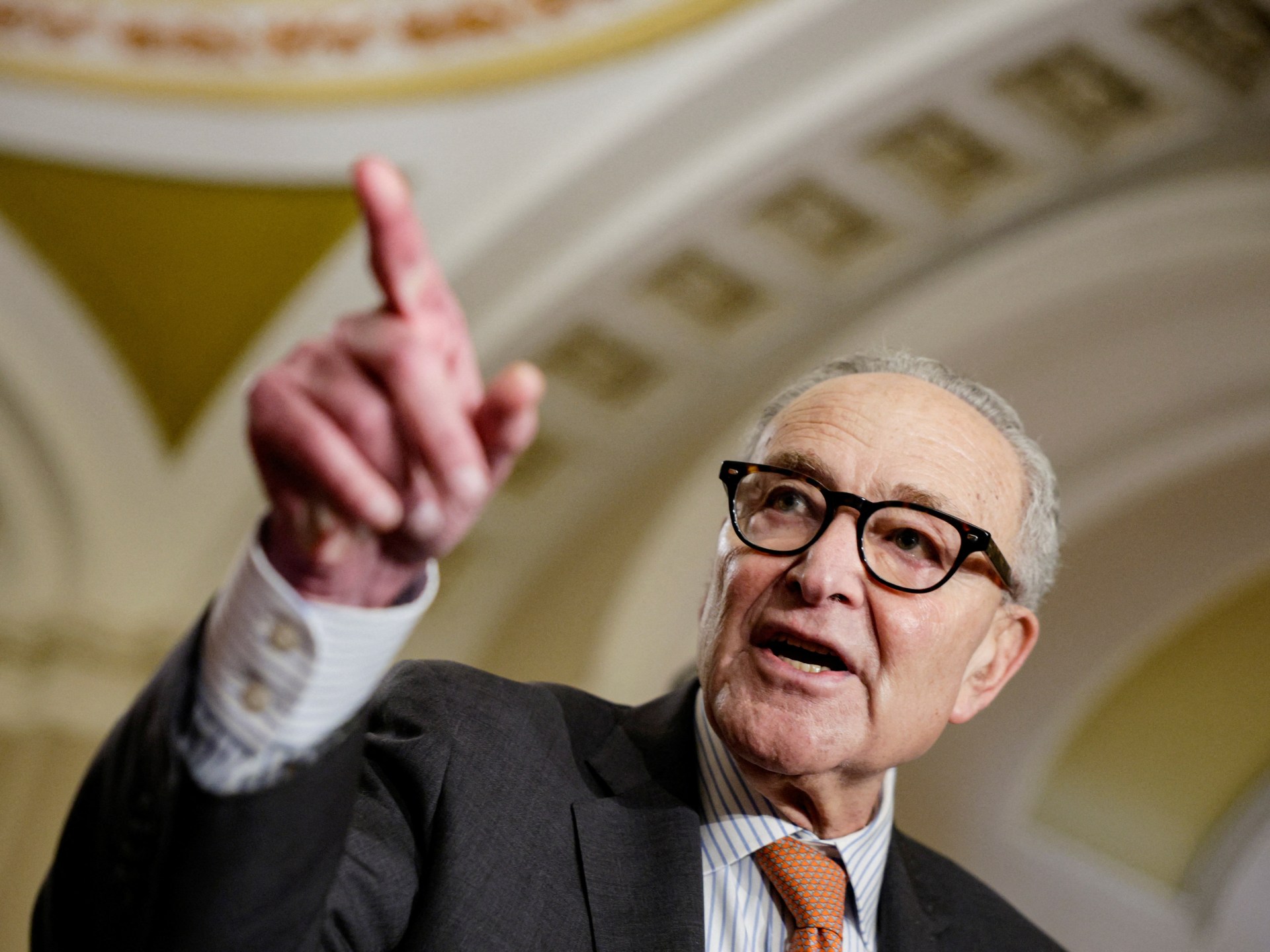
US Senate Majority Leader Chuck Schumer has demanded federal regulators outlaw AI-generated robocalls, underscoring broader international concerns over algorithmic disinformation disrupting democratic elections and corporate transparency.
Geopolitical & Core Developments
In an escalating campaign to protect democratic institutions from synthetic influence operations, US Senate Majority Leader Chuck Schumer has formally petitioned the Federal Communications Commission (FCC) to deny regulatory loopholes permitting artificial intelligence-generated robocalls. The intervention comes ahead of high-stakes federal elections, highlighting an acute vulnerability across the democratic landscape: the weaponization of generative voice cloning and algorithmic telephony to suppress voter turnout and distribute targeted disinformation.
Political campaigns and unregulated third-party contractors have increasingly explored voice-synthesis software to conduct hyper-personalized constituent outreach at scale. However, intelligence assessments and state actors have demonstrated that deepfake telecommunications can be co-opted to deceive citizens, mimic executive authority, and incite political volatility. The move reflects a critical juncture in Washington's strategic response to modern information warfare, elevating consumer protection rules into the sphere of domestic security and international influence containment.
Global Trade & Economic Ripples
While predominantly framed around electoral integrity, the clampdown carries substantial macroeconomic and commercial repercussions for global enterprise. Enterprise communications, cloud architecture providers, and customer relationship management (CRM) software conglomerates rely heavily on automated calling infrastructure to service multinational supply chains and customer networks. A blanket tightening of Federal Communications Commission enforcement creates immediate compliance friction across the global tech sector.
International enterprise firms domiciled in Europe, India, and Southeast Asia that manage international call centers and offshore automation hubs must navigate strict telecommunications standards, potentially escalating cross-border operational expenditures. Moreover, global technology capital markets have begun pricing in regulatory risk; institutional funds are discounting venture-stage generative speech developers lacking verification protocols. As telecommunications integrity becomes synonymous with sovereign security, software vendors operating in cross-border trade corridors face mandatory integration of digital watermarking, raising overhead costs across digital service exports.
Related Intelligence: Pakistan Suspends Iran Border Trade Amid Escalating Regional Security Threats
International Reactions & Diplomatic Stances
Multilateral bodies and overseas regulators are tracking Washington's regulatory trajectory with acute interest. The European Commission, operating under its newly implemented Artificial Intelligence Act, has advocated for harmonized global standards that mandate transparency labeling on all synthetic auditory media. European regulatory officials noted that fragmented transatlantic frameworks allow malicious state-sponsored actors to arbitrage regulatory blind spots to conduct psychological operations.
At the United Nations level, the International Telecommunication Union (ITU) has repeatedly warned that unchecked algorithmic telephony threatens to undermine public trust in official disaster relief and electoral administration worldwide. Diplomatic representatives from emerging markets, including India and Brazil, have echoed these concerns during global digital governance forums, emphasizing that unregulated deepfake telephony risks destabilizing fragile political environments where mobile telephony remains the primary vehicle for public dissemination.
Strategic Outlook & Future Scenarios
Moving into the final quarter of the fiscal year, regulatory velocity is projected to accelerate across the technology governance matrix. The FCC is expected to introduce rigorous enforcement doctrines under the Telephone Consumer Protection Act, establishing severe financial penalties for unauthorized voice synthesis in public communication corridors. Parallel legislative efforts are likely to emerge in the US Congress, seeking statutory mandates for watermarking standards and cryptographic provenance verification on all commercial voice engines.
For multinational enterprise executives and global market participants, the developments signal the closure of the unregulated generative AI deployment phase. Failure to establish verifiable provenance across telecommunications networks will expose international corporations to severe jurisdictional liabilities, immediate platform de-listing, and heightened border scrutiny on cross-border data transmissions.
Join Our Official WhatsApp Channel
Receive live commodity alerts, policy changes, and commercial intelligence directly on WhatsApp.