
Spain Confronts Social Tides Following Passing of Protest Icon Maricarmen Abascal
The passing of 87-year-old Spanish protest symbol Maricarmen Abascal has ignited nationwide demonstrations and fierce parliamentary debate, reflecting deep socio-political fault lines across Southern Europe.
Geopolitical & Core Developments
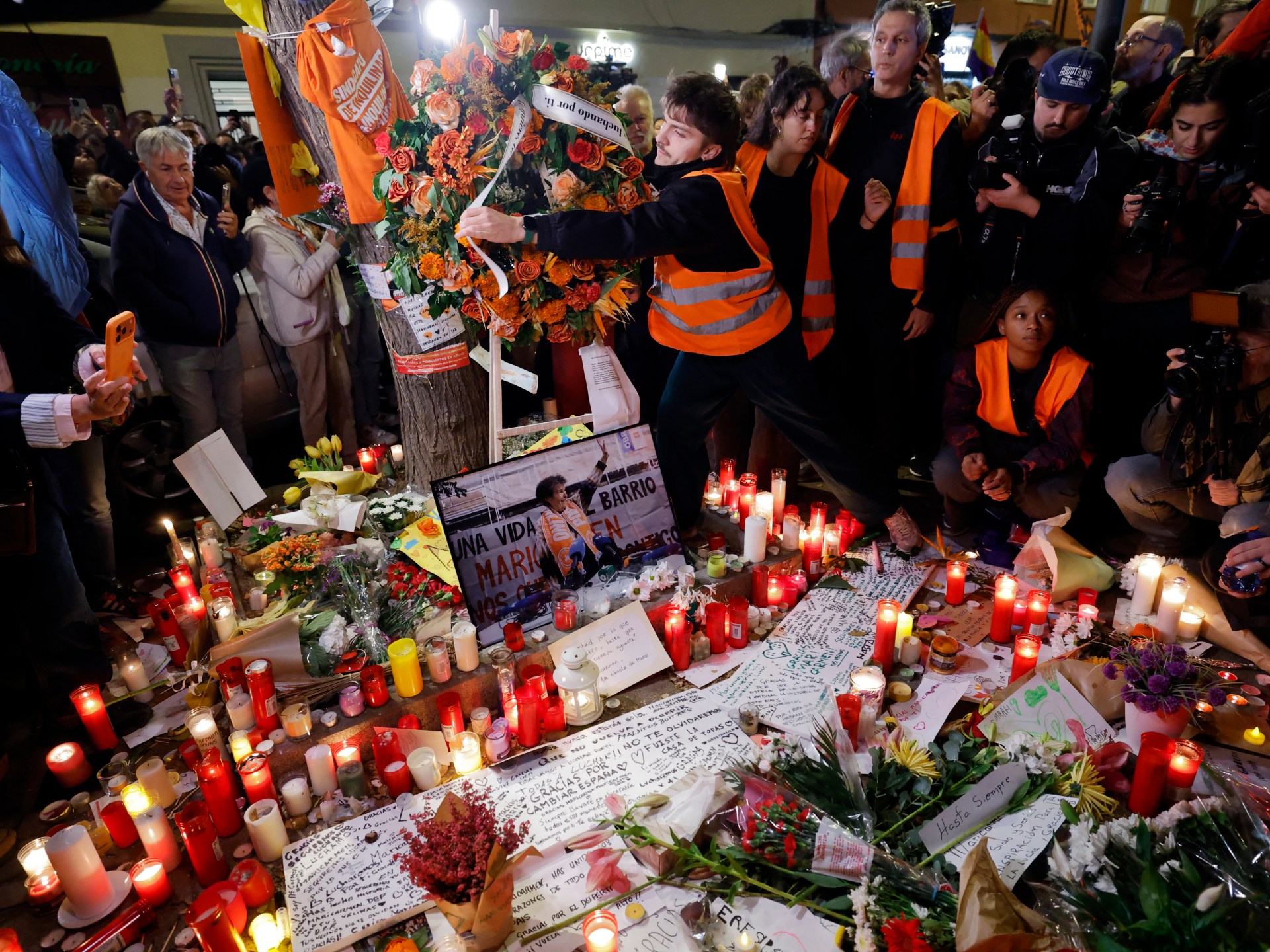
The passing of 87-year-old Maricarmen Abascal, an enduring symbol of grassroots resistance and civic advocacy in Spain, has catalyzed a profound national reckoning. Across major urban centers, including Madrid and Barcelona, thousands of citizens gathered to honor her lifelong dedication to social justice and pension reform. Abascal’s transformation from a private citizen into a towering national figure illustrates the potent capacity of grassroots movements to challenge institutional inertia. Her activism, characterized by persistent mobilization against austerity and economic precarity, became emblematic of a broader European struggle between aging populations and rigid fiscal policies.
The reverberations of her death quickly extended beyond the streets, penetrating the halls of the Spanish parliament. Tributes offered by various political factions sparked vehement debates, exposing ideological polarization within the legislature. While progressive blocs hailed her as a martyr of civic duty and a defender of the vulnerable, conservative factions questioned the politicization of her legacy. This parliamentary friction highlights the delicate equilibrium European democracies must maintain as they navigate rising civil unrest driven by cost-of-living crises and demographic shifts.
[Global Trade](/news/wto-upgrades-global-trade-forecast-pakistan-gains-middle-east-disruptions) & Economic Ripples
While the events surrounding Maricarmen Abascal's life and legacy are rooted in domestic Spanish civil society, the broader socioeconomic grievances she championed resonate deeply within global commodity and labor markets. The persistent demand for equitable pension structures and robust social safety nets directly influences consumer spending patterns, domestic labor stability, and investor confidence across the eurozone. Spain, as a vital economic engine within the European Union, remains acutely sensitive to domestic labor dynamics that dictate regional productivity and foreign direct investment.
Furthermore, the sociopolitical climate of Southern Europe heavily influences international trade perceptions. Heightened domestic tensions and prolonged protests introduce elements of policy uncertainty that can affect sovereign bond yields and investor risk premiums. Commodity traders monitoring the Iberian Peninsula must factor in the potential for localized supply chain disruptions when social demonstrations intersect with critical transport and logistics hubs. Although Abascal's movement was peaceful, the underlying economic anxieties fueling public participation are symptomatic of broader inflationary pressures currently challenging global supply chains and industrial output across the continent.
Related Intelligence: WTO Upgrades Global Trade Forecast as Pakistan Gains from Middle East Disruptions
International Reactions & Diplomatic Stances
International observers, including labor organizations and human rights monitors across the European Union, have closely monitored the developments in Spain. Multilateral bodies have increasingly focused on the vulnerability of aging demographics amidst ongoing economic transformations. While formal diplomatic statements from foreign ministries remain limited given the domestic nature of the events, European policy analysts view the widespread public mourning as a bellwether for continental sentiment regarding social welfare sustainability.
Market analysts note that international investors are increasingly pricing in social stability metrics when evaluating Mediterranean economies. The ability of Madrid to address the underlying socioeconomic grievances highlighted by Abascal's followers will serve as a crucial test case for democratic resilience and fiscal reform in Western Europe. Neighboring governments facing similar demographic pressures are observing the Spanish political discourse closely to anticipate potential spillover effects on regional migration, labor mobility, and fiscal harmonization policies.
Strategic Outlook & Future Scenarios
Looking ahead, the legacy of Maricarmen Abascal is expected to serve as a rallying cry for reform-minded coalitions leading up to upcoming regional and national legislative sessions. Political parties across the spectrum are recalibrating their platforms to address the demands of an aging electorate that feels increasingly marginalized by macroeconomic shifts. Upcoming parliamentary debates regarding social expenditure and pension indexing will likely become flashpoints for broader ideological confrontations.
For international stakeholders, the trajectory of Spanish domestic policy will remain a key indicator of political stability in Southern Europe. As European institutions prepare for upcoming electoral cycles and budgetary negotiations, the ability of national governments to balance fiscal discipline with social welfare demands will determine long-term economic resilience. The mobilization surrounding Abascal's passing demonstrates that civil society retains a formidable capacity to steer legislative agendas, ensuring that socioeconomic equity remains at the forefront of the geopolitical and economic discourse.
Join Our Official WhatsApp Channel
Receive live commodity alerts, policy changes, and commercial intelligence directly on WhatsApp.