
Zambia Secures Landmark 1.5 Billion Dollar US Health Pact Following Diplomatic Stand
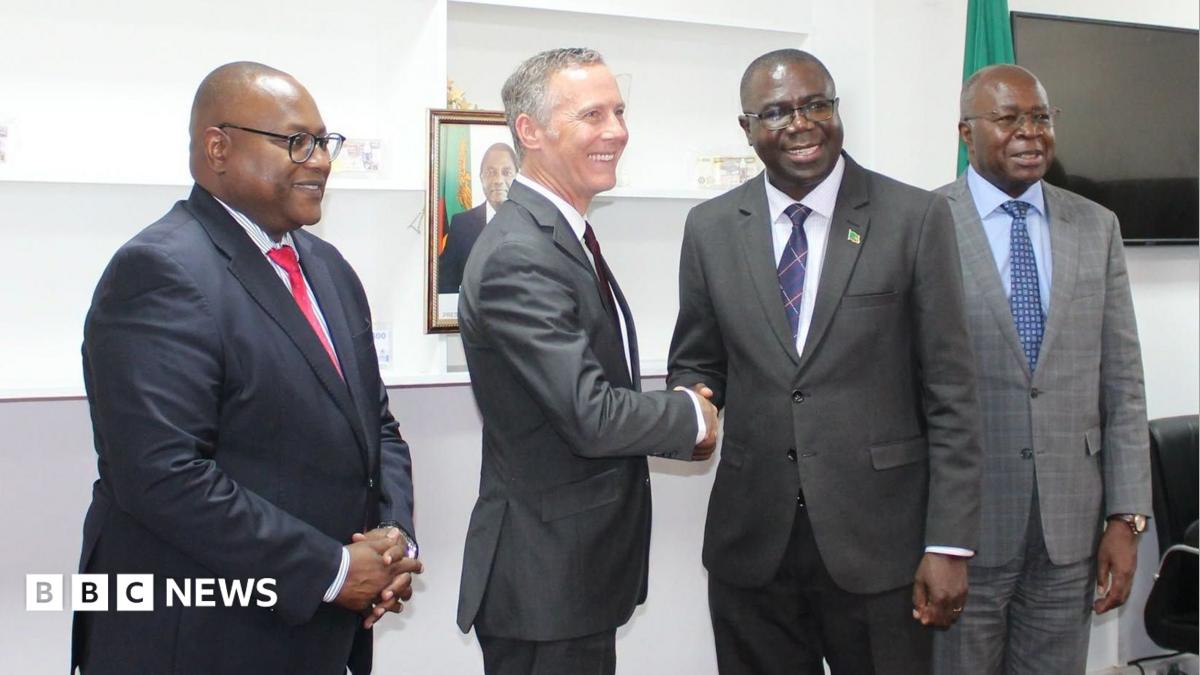
Zambia has finalized a 1.5 billion dollar health agreement with the United States following rigorous negotiations over sovereign data-sharing and prior foreign aid cuts.
Geopolitical & Core Developments
Lusaka and Washington have formally inked a substantial 1.5 billion dollar health sector agreement, concluding months of tense diplomatic negotiations that tested bilateral relations between the two nations. The pact, designed to reinforce Zambia's national healthcare infrastructure, epidemiological surveillance, and disease prevention programs, arrives at a critical juncture for Southern African geopolitics. Negotiations stalled repeatedly over contentious protocols regarding sovereign data-sharing, with Zambian authorities fiercely guarding domestic health datasets against extraterritorial oversight. The breakthrough reflects compromise on both sides, establishing secure frameworks that satisfy US accountability mandates while respecting Zambian national sovereignty. This diplomatic resolution repairs a vital channel of cooperation that faced severe strain following previous United States Agency for International Development funding contractions enacted under the Trump administration, which had left a significant vacuum in regional public health financing.
Global Trade & Economic Ripples
While ostensibly a public health initiative, the 1.5 billion dollar influx carries profound implications for global trade, sovereign debt restructuring, and the commercial logistics of critical minerals. Zambia occupies a pivotal position in the global energy transition as one of the world's leading producers of copper and a vital stakeholder in the burgeoning electric vehicle supply chain. Stability in Zambia's social and health sectors directly impacts labor productivity, operational continuity, and foreign direct investment in the Copperbelt Province. Multilateral financial institutions and private commodity traders view the stabilization of US-Zambian ties as a barometer of economic predictability in sub-Saharan Africa. Furthermore, enhanced public sector stability eases pressures on the nation's broader sovereign debt negotiations, reassuring international bondholders and trade partners dependent on seamless mineral extraction and export shipping corridors running through South Africa and regional ports.
Related Intelligence: French Student Protests Expose Sovereign Debt Pressures and Public Sector Strain
International Reactions & Diplomatic Stances
International bodies and diplomatic quarters have welcomed the finalization of the pact as a triumph of pragmatic diplomacy over retrenchment. Representatives from the World Health Organization lauded the agreement as a vital fortification for regional health security. Concurrently, Western diplomatic circles interpret the deal as a strategic recalibration by Washington to reinforce its partnerships in resource-rich developing nations. In contrast, geopolitical competitors monitoring the region, particularly Beijing—which holds substantial leverage through infrastructure debt and mining concessions in Zambia—are evaluating the renewed Western financial footprint. Market analysts suggest that the agreement signals a sophisticated evolution in foreign assistance models, wherein recipient nations increasingly demand equal footing and rigorous protection of domestic data governance before accepting multilateral or bilateral capital.
Strategic Outlook & Future Scenarios
Looking ahead, the implementation phase of the 1.5 billion dollar package will serve as a test case for bilateral data governance and institutional transparency. Upcoming regional summits and bilateral trade forums will likely reference this agreement as a precedent for balancing national security interests with developmental aid. Should the disbursement proceed without regulatory friction, it could pave the way for expanded commercial agreements in clean energy technology, agricultural exports, and infrastructure financing. Conversely, failure to navigate compliance metrics could reignite tensions, creating openings for alternative state actors seeking to expand their sphere of influence across the African continent. For global commodity markets, the overarching takeaway is one of heightened strategic stabilization, reinforcing Zambia's role as a trusted, reliable partner in international commerce.
Join Our Official WhatsApp Channel
Receive live commodity alerts, policy changes, and commercial intelligence directly on WhatsApp.