
UN Chief Warns of Paralysis as Global Crises Deepen
United Nations Secretary-General António Guterres has delivered a stark warning regarding paralyzing global divisions, raising profound concerns for international trade and geopolitical stability.
Geopolitical & Core Developments
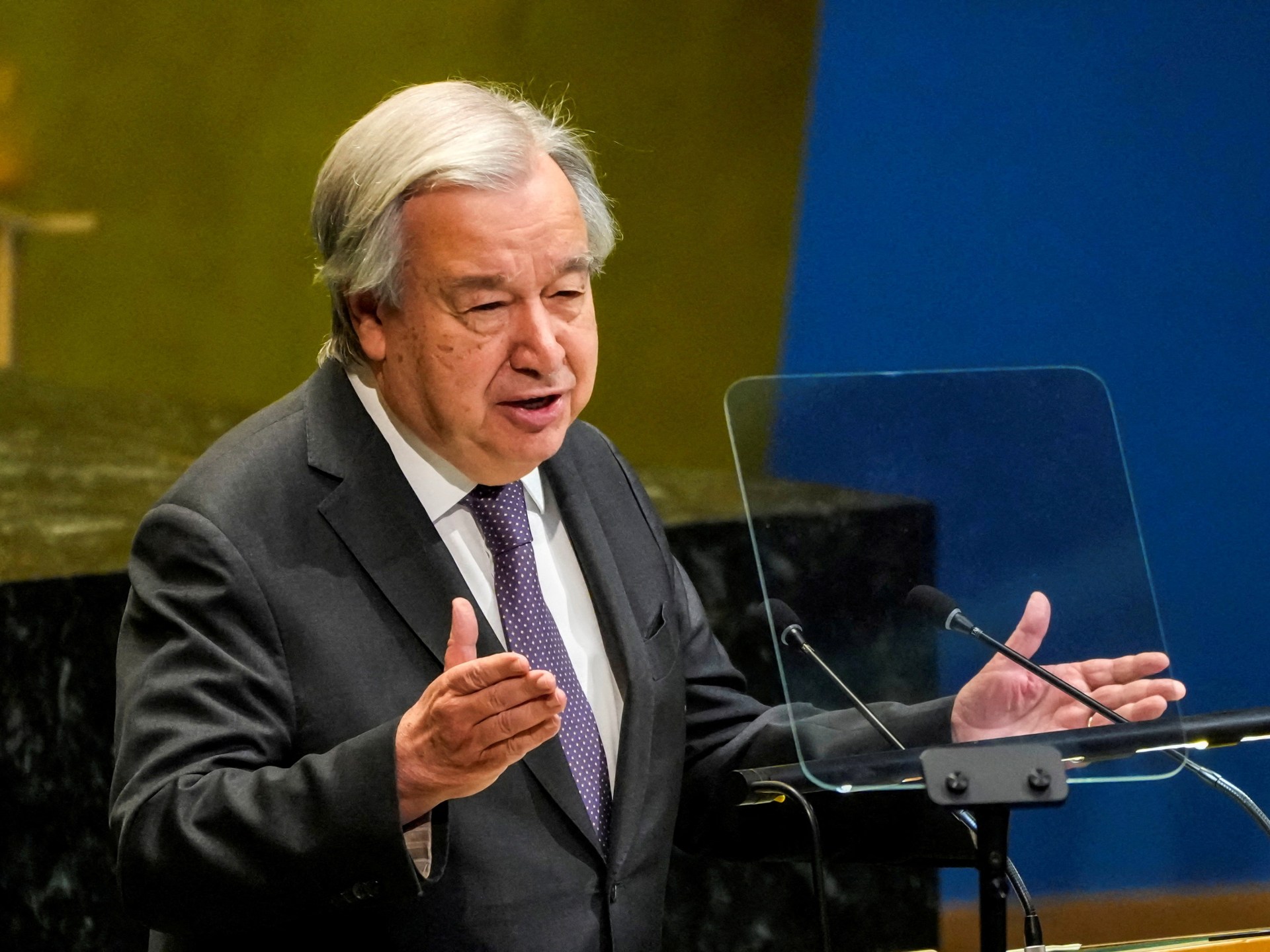
United Nations Secretary-General António Guterres has delivered a severe assessment of the current geopolitical landscape, declaring that the state of the world is deteriorating rapidly while the primary mechanisms for international conflict resolution remain gridlocked. Speaking ahead of the final months of his tenure, which concludes on December 31, Guterres highlighted a profound institutional paralysis within the UN Security Council. Permanent members divided by deep-seated strategic competition have repeatedly utilized veto powers to block decisive action on critical global flashpoints, ranging from European security to ongoing conflicts in the Middle East and Africa.
This diplomatic stalemate has effectively neutered the international community's ability to enforce peace, protect civilian populations, or uphold international humanitarian law. State actors increasingly operate outside multilateral frameworks, fostering a multipolar disorder characterized by transactional diplomacy and proxy conflicts. Without a functional consensus among major powers, regional instability threatens to spill over into broader systemic crises, challenging the post-World War II international order and eroding trust in collective security architectures.
Global Trade & Economic Ripples
The collapse of cohesive multilateral governance carries immediate and severe repercussions for global trade, energy markets, and commodity supply chains. International commerce relies heavily on predictable regulatory environments and secure shipping lanes, both of which are increasingly compromised by expanding geopolitical friction. When the UN Security Council fails to maintain maritime security or deter regional conflicts, vital commercial arteries—such as the Red Sea corridor and Black Sea shipping routes—face heightened risks of disruption, driving up freight rates, war-risk insurance premiums, and transit delays.
Furthermore, protracted geopolitical instability directly impacts energy and agricultural commodity pricing. Uncertainty surrounding sanctions regimes, export controls, and potential supply blockages creates speculative volatility in crude oil, natural gas, and essential grain markets. Multinational corporations and commodity traders are forced to reevaluate risk exposure, diversifying supply chains and absorbing higher input costs that ultimately translate into persistent inflationary pressures for consumer economies worldwide. Currency values in emerging markets, in particular, remain vulnerable to sudden capital flight triggered by global risk-off sentiment.
Related Intelligence: Severe Typhoon Barrels Past Japan's Eastern Coast Disrupting Global Supply Chains
International Reactions & Diplomatic Stances
Mediterranean and Global South economies have expressed mounting frustration over the paralysis of international institutions, arguing that the security architecture reflects outdated mid-20th-century power dynamics rather than modern realities. European capitals have echoed concerns regarding the degradation of international law, while major economic players emphasize the urgent need for structural reform within the United Nations to restore operational efficacy.
Market analysts and trade organizations have noted that the erosion of multilateralism increases the cost of doing business globally. Private sector leadership is increasingly factoring geopolitical risk into long-term capital expenditure decisions, pivoting toward regionalization and friend-shoring strategies to insulate operations against sudden diplomatic shocks. Multilateral development banks have similarly warned that protracted global conflict diverts essential capital away from sustainable development goals and climate adaptation financing.
Strategic Outlook & Future Scenarios
As the international community looks toward the transition of leadership at the United Nations, the strategic outlook remains fraught with uncertainty. The upcoming selection process for Guterres's successor will serve as a critical litmus test for the commitment of major powers to multilateral cooperation. Without substantive reforms to the Security Council—including potential limitations on the use of the veto and expanded representation for emerging economies—the organization risks sliding further into irrelevance.
In the near term, geopolitical escalation points in multiple theaters threaten to trigger further economic shocks. Businesses and policymakers must prepare for an era of chronic volatility where supply chain resilience and proactive risk management are paramount. Upcoming international summits will likely focus on forging minilateral and bilateral coalitions to bypass UN gridlock, signaling a fragmented future for global diplomacy and commerce.
Join Our Official WhatsApp Channel
Receive live commodity alerts, policy changes, and commercial intelligence directly on WhatsApp.