
Quiet Diplomacy Faces Severe Test as UN Chief Confronts Global Fractures
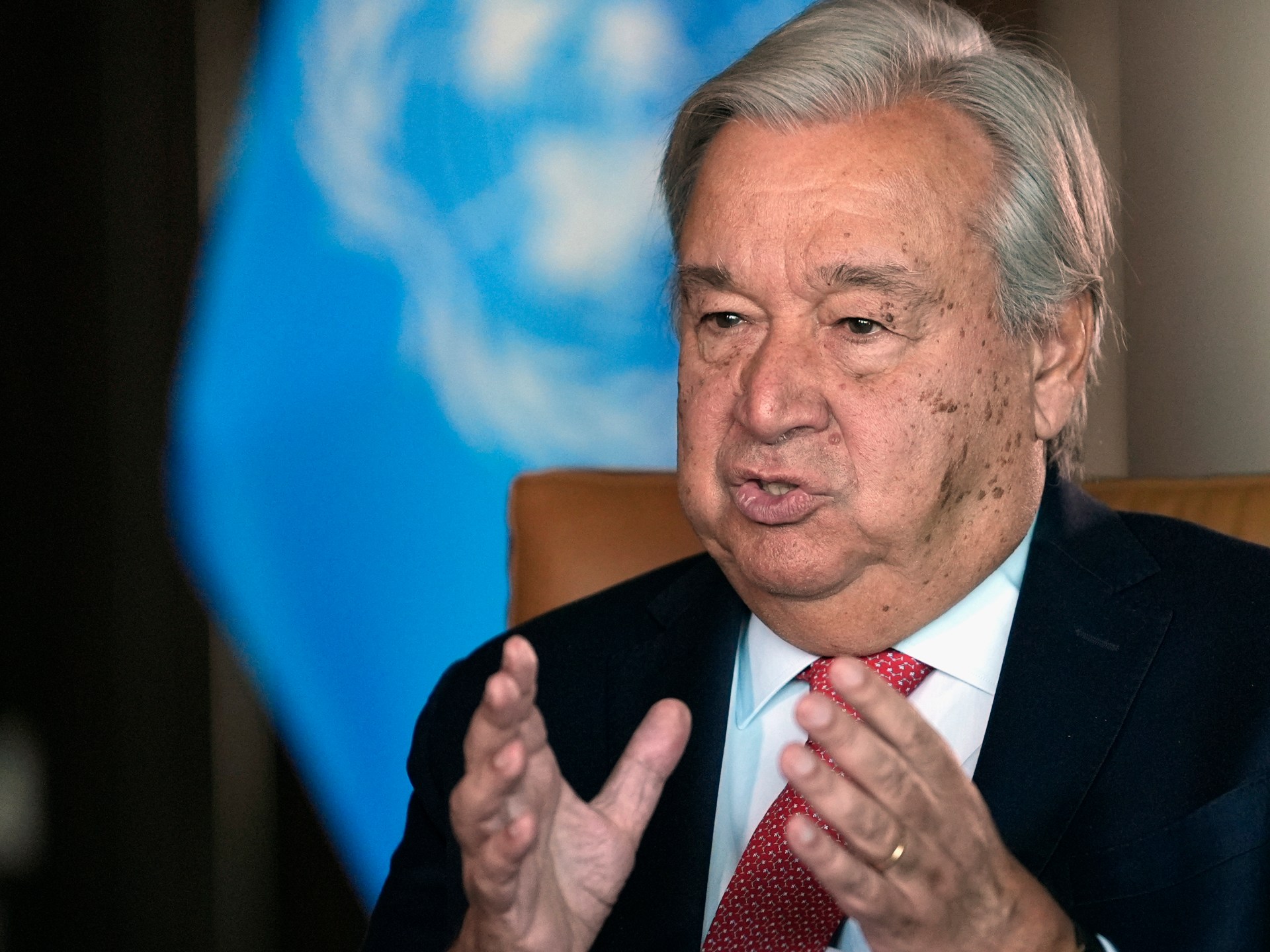
United Nations Secretary-General Antonio Guterres faces mounting challenges as his trademark quiet diplomacy collides with entrenched great-power rivalries, threatening the efficacy of multilateral conflict resolution.
Geopolitical & Core Developments
United Nations Secretary-General Antonio Guterres has entered a defining chapter of his tenure, navigating an international landscape defined by systemic fragmentation and the erosion of multilateral consensus. As former Prime Minister of Portugal and former UN High Commissioner for Refugees, Guterres has historically favored discreet, backchannel negotiations over confrontational public diplomacy. However, this classical methodology faces unprecedented constraints as the UN Security Council remains fundamentally paralyzed by deep rifts among its five permanent members: the United States, China, Russia, France, and the United Kingdom.
From the prolonged war in Ukraine to the expanding conflict in the Middle East and civil wars in Sudan and Myanmar, the United Nations has struggled to broker lasting truces. The high-water mark of Guterres's tenure was the 2022 Black Sea Grain Initiative, which unlocked millions of metric tons of Ukrainian grain destined for developing economies through delicate mediation alongside Turkey. Yet the subsequent collapse of that pact illustrated the fragility of UN-brokered arrangements when state actors perceive no immediate strategic advantage in multilateral cooperation. The core challenge facing Guterres is not merely tactical mediation, but the reality that modern conflict resolution requires the political willingness of belligerent capitals that increasingly dismiss multilateral norms.
Global Trade & Economic Ripples
The diminishing efficacy of quiet multilateral diplomacy directly impacts international markets and global supply chains. When institutional diplomatic mediation fails to contain localized conflicts, trade chokepoints and commodity corridors bear the immediate economic fallout. The inability to institutionalize maritime security in the Red Sea has rerouted significant merchant traffic around the Cape of Good Hope, adding upward pressure on container freight rates, insurance premiums, and transit times between Asian manufacturing hubs and European consumers.
In agricultural commodity markets, the absence of predictable diplomatic frameworks creates volatility in wheat, corn, and fertilizer trade flows. Developing economies across Sub-Saharan Africa and the Middle East remain uniquely exposed to supply disruptions originally mitigated by UN-led initiatives. Furthermore, persistent geopolitical friction exacerbates volatility across energy markets, complicating OPEC+ quota compliance, shifting liquefied natural gas routing, and entrenching geopolitical risk premiums across international crude benchmarks.
International Reactions & Diplomatic Stances
Within the multilateral ecosystem, assessments of Guterres's leadership reflect widening diplomatic divisions. Western capitals have frequently pressed the Secretary-General to adopt more assertive public stances condemning violations of international humanitarian law and national sovereignty. Conversely, delegates from the Global South frequently praise Guterres for maintaining an impartial, non-aligned posture focused on equitable development and the preservation of humanitarian access.
Addressing member states, Guterres has repeatedly warned that the architecture of global governance risks irrelevance unless fundamental institutional reforms are enacted. 'The world is changing, but our institutions are not,' Guterres noted during recent sessions on the Pact for the Future, arguing that post-World War II frameworks cannot successfully mediate twenty-first-century multipolar tensions. Meanwhile, leading analysts in Geneva and New York note that while quiet diplomacy remains essential to prevent total institutional rupture, its output remains structurally capped by the absence of enforcement mechanisms.
Strategic Outlook & Future Scenarios
The trajectory of global mediation under Guterres will depend largely on whether medium-sized regional powers step in to reinforce UN initiatives. Over the coming quarters, international focus will pivot toward the high-level debates of the UN General Assembly and upcoming multilateral summits, where discussions surrounding Security Council reform and revised peacekeeping mandates will face intense scrutiny.
Should major powers persist in bypassing multilateral mechanisms in favor of unilateral actions and fragmented bilateral alliances, the United Nations risks being relegated exclusively to a humanitarian relief provider rather than a political peacemaker. Conversely, if economic exhaustion and escalating regional risks incentivize belligerents to seek face-saving exits, Guterres's established backchannels could once again prove vital in drafting technocratic stabilization frameworks.
Join Our Official WhatsApp Channel
Receive live commodity alerts, policy changes, and commercial intelligence directly on WhatsApp.