
Qatar Unveils Major Solar Initiative in Crisis-Hit Lebanon
Qatar has announced a major solar energy infrastructure project in Lebanon, coupling capital-intensive development aid with high-level diplomatic engagements over regional border sovereignty and Middle Eastern security.
Geopolitical & Core Developments
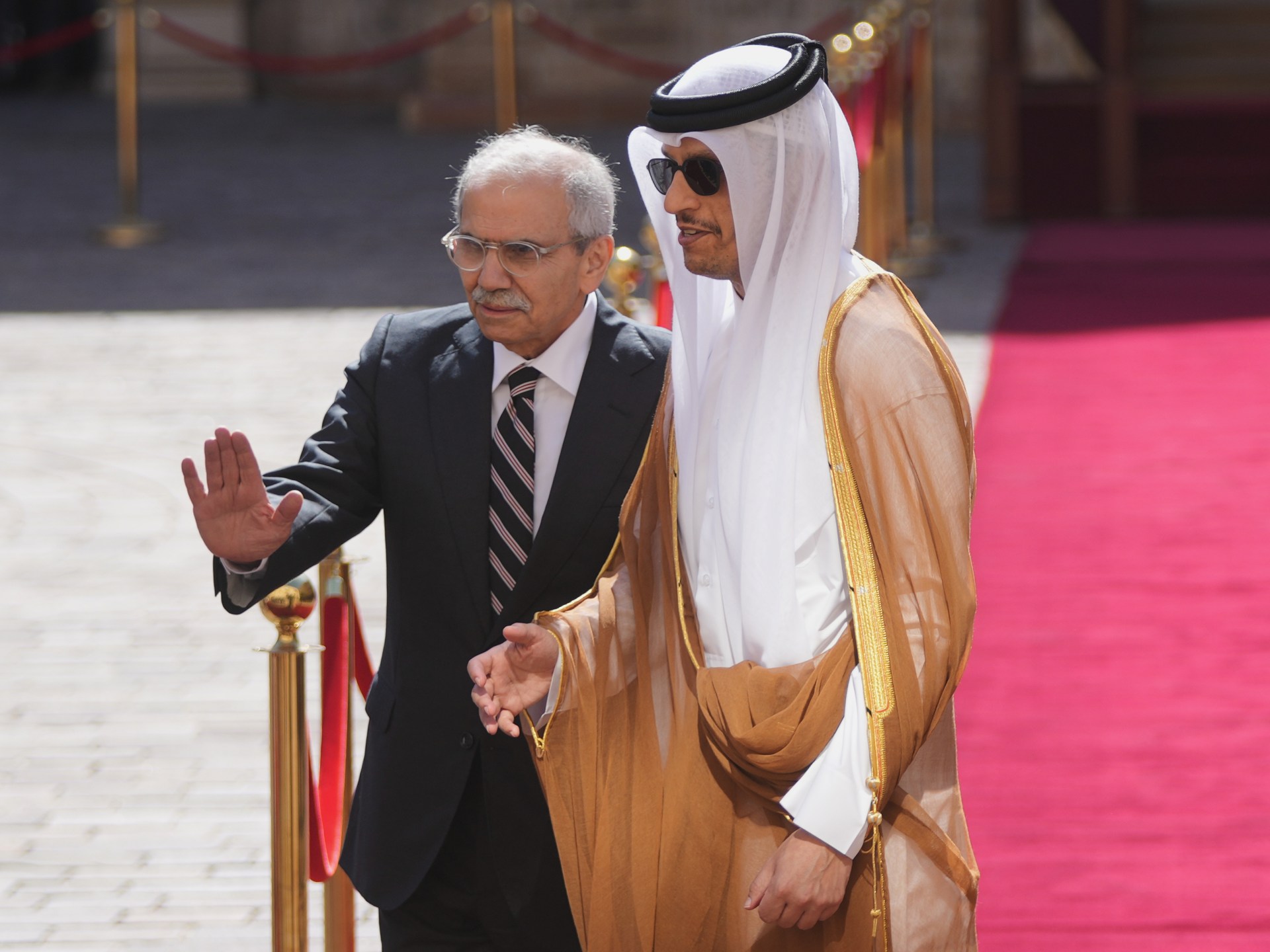
In a strategic move blending infrastructure investment with high-stakes regional diplomacy, the State of Qatar has officially announced plans to construct a massive solar power facility in Lebanon. The initiative was unveiled following bilateral discussions between Qatari Prime Minister Sheikh Mohammed bin Abdulrahman Al Thani and Lebanese Prime Minister Nawaf Salam. Alongside the renewable energy commitment, the diplomatic engagement addressed ongoing cross-border escalations and alleged Israeli violations of Lebanese sovereignty, positioning Doha once again as a pivotal broker in Levantine stability.
Lebanon’s domestic infrastructure remains paralyzed by a multi-year economic crisis, characterized by systemic grid collapse, fiscal insolvency, and acute shortages of state-supplied electricity. State utility provider Electricite du Liban currently generates only a fraction of the nation's baseline demand, leaving households and commercial enterprises reliant on expensive, carbon-intensive private diesel generators. By financing and developing a commercial-scale photovoltaic plant, Qatar addresses Lebanon’s critical infrastructural vulnerability while solidifying its geopolitical footprint along the Mediterranean littoral. This initiative aligns with Doha's broader foreign policy doctrine, which deploys sovereign wealth capital and strategic aid to stabilize fragile states across the Middle East and North Africa.
Global Trade & Economic Ripples
The economic implications of an operational utility-scale solar complex in Lebanon extend across regional commercial and commodity sectors. On a macro level, reducing Lebanon's structural reliance on imported refined petroleum products alleviates sovereign balance-of-payments pressures. State expenditures on heavy fuel oil and diesel have historically drained foreign exchange reserves at the Banque du Liban, exacerbating the devaluation of the Lebanese pound. Replacing marginal fuel oil consumption with renewable generation frees up sovereign liquidity for debt restructuring and essential supply-chain financing.
Furthermore, the procurement pipeline for this undertaking injects capital into the regional renewable energy supply chain. Sourcing high-efficiency photovoltaic modules, specialized mounting architecture, and industrial inverters will test regional logistics networks, particularly along Mediterranean maritime corridors. Given heightened marine insurance premiums across the eastern Mediterranean due to surrounding naval risks, executing an infrastructure deployment of this scale highlights how sovereign-backed investments can circumvent market-driven credit rationing. The project also sets an institutional precedent for independent power producer frameworks in heavily distressed frontier markets.
International Reactions & Diplomatic Stances
Regional and international stakeholders have monitored the development closely. Western diplomats and European institutions, which have long conditioned comprehensive sovereign bailouts on structural reforms within Lebanon’s energy governance, view the Qatari move with pragmatic interest. Multilateral lenders have consistently identified the electrical grid as the single largest contributor to Lebanon's fiscal deficit, commending non-debt-generating infrastructure assistance while urging institutional transparency in project execution.
Within the Arab League, Doha’s proactive economic engagement contrasts with the more cautious stances of other Gulf Cooperation Council members, who have maintained arm's-length relations with Beirut due to the domestic influence of non-state armed actors. Concurrently, Lebanon’s executive leadership framed the energy partnership as an indispensable stabilizing force, explicitly linking infrastructural viability to sovereign resilience amid ongoing southern border skirmishes. Official commentary underscored that securing fundamental public utilities is a prerequisite for sovereign autonomy and regional stability.
Strategic Outlook & Future Scenarios
The trajectory of the solar initiative hinges on domestic implementation capacity, land allocation, and security dynamics near potential site corridors. Looking forward, the Qatari project must navigate Lebanon’s complex regulatory environment, grid interconnection hurdles, and transmission inefficiencies that have historically delayed public-private partnerships. If successful, the installation could act as an anchor asset, encouraging secondary private capital inflows into localized distributed generation.
Geopolitically, the development reflects Qatar’s expanding role as an indispensable regional mediator capable of coupling sovereign capital with crisis diplomacy. As negotiations concerning southern Lebanon's borders and maritime integrity persist, Doha's tangible infrastructural commitments provide significant leverage in broader regional peace negotiations. Moving forward, the project serves as a key barometer for whether sovereign-backed energy transition programs can successfully mitigate macroeconomic instability across conflict-exposed frontiers.
Join Our Official WhatsApp Channel
Receive live commodity alerts, policy changes, and commercial intelligence directly on WhatsApp.