
UN Chief Praises Pakistan Mediation Role Amid US-Iran Tensions
United Nations leadership has lauded Pakistan's diplomatic efforts to defuse tensions between the United States and Iran, emphasizing regional stability.
The Core Development
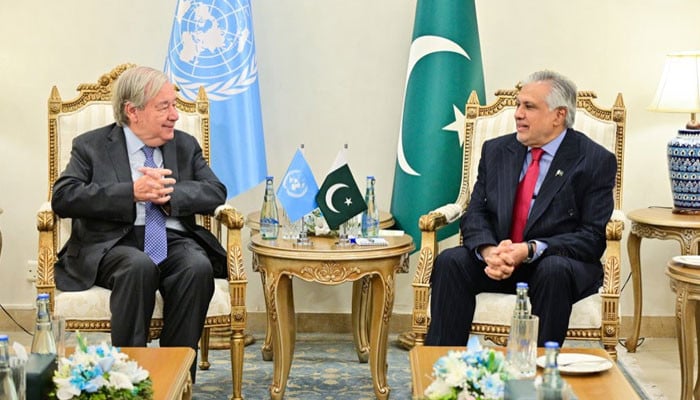
In a significant diplomatic acknowledgment, the leadership of the United Nations has formally lauded Pakistan for maintaining a consistent, trusted mediatory posture amid persistent geopolitical friction between the United States and the Islamic Republic of Iran. The recognition underscores Islamabad's strategic importance in bridging diplomatic divides across South and Southwest Asia. Over successive diplomatic engagements, Pakistani state functionaries and foreign office leadership have consistently advocated for de-escalation, diplomatic dialogue, and adherence to international frameworks to prevent regional flashpoints from destabilizing neighboring economies. The UN assessment highlights the delicate balancing act required of Pakistan, sharing a long contiguous border with Iran while maintaining deep strategic and economic ties with Western capitals, particularly Washington.
Commercial & Economic Implications
For Pakistan's domestic economy, the containment of US-Iran hostilities carries profound commercial and monetary ramifications. Cross-border trade, localized energy pipelines, and informal wholesale commerce in Pakistan's western provinces are inextricably linked to regional stability. Any escalation in sanctions enforcement or kinetic conflict directly threatens vital petroleum supplies, exacerbates domestic inflation, and exerts severe pressure on foreign exchange reserves. Wholesale distributors and retail trade associations within Kalyar Traders' network note that geopolitical calm translates directly to predictable shipping insurance rates, stable currency valuations, and mitigated import costs for essential commodities. Sustained diplomatic mediation helps insulate local supply chains from external shocks, thereby protecting domestic consumers from volatile price spikes.
Related Intelligence: Houthi Airport Strikes Escalation Threatens Regional Stability and Energy Flows
Stakeholder Perspectives & Market Reactions
Business councils, industrial bodies, and financial analysts across Pakistan have expressed cautious optimism regarding the United Nations' endorsement of Islamabad's foreign policy stance. Major trade federations emphasize that macroeconomic stability is fundamentally anchored in regional peace. Legal and economic experts suggest that Pakistan's active diplomatic channels not only enhance its international standing but also create a favorable environment for foreign direct investment. Public response, while largely focused on domestic inflationary pressures, acknowledges the indirect benefits of robust foreign policy management. Industrialists stress that avoiding secondary sanction impacts and maintaining open bilateral trade channels with Tehran remain vital for uninterrupted industrial production.
Forward Outlook & Key Watchpoints
As geopolitical dynamics in the Middle East and Persian Gulf continue to evolve, policymakers in Islamabad face a demanding schedule of diplomatic engagements. Key watchpoints for the upcoming quarters include potential shifts in US sanctions policy, multilateral negotiations concerning regional security frameworks, and the continuous flow of cross-border trade. Economic monitors will closely track energy import agreements and foreign reserve metrics to gauge the tangible dividends of Pakistan's mediatory efforts. Ensuring long-term commercial resilience will depend heavily on the government's ability to translate diplomatic goodwill into durable economic safeguards for domestic markets.
Join Our Official WhatsApp Channel
Receive live commodity alerts, policy changes, and commercial intelligence directly on WhatsApp.