
Strait of Hormuz Oil Flows Surge Amid Escalating Maritime Attacks
Crude oil exports via the Strait of Hormuz continue to surge despite rising maritime attacks, creating a profound divergence between physical supply and geopolitical risk.
Geopolitical & Core Developments
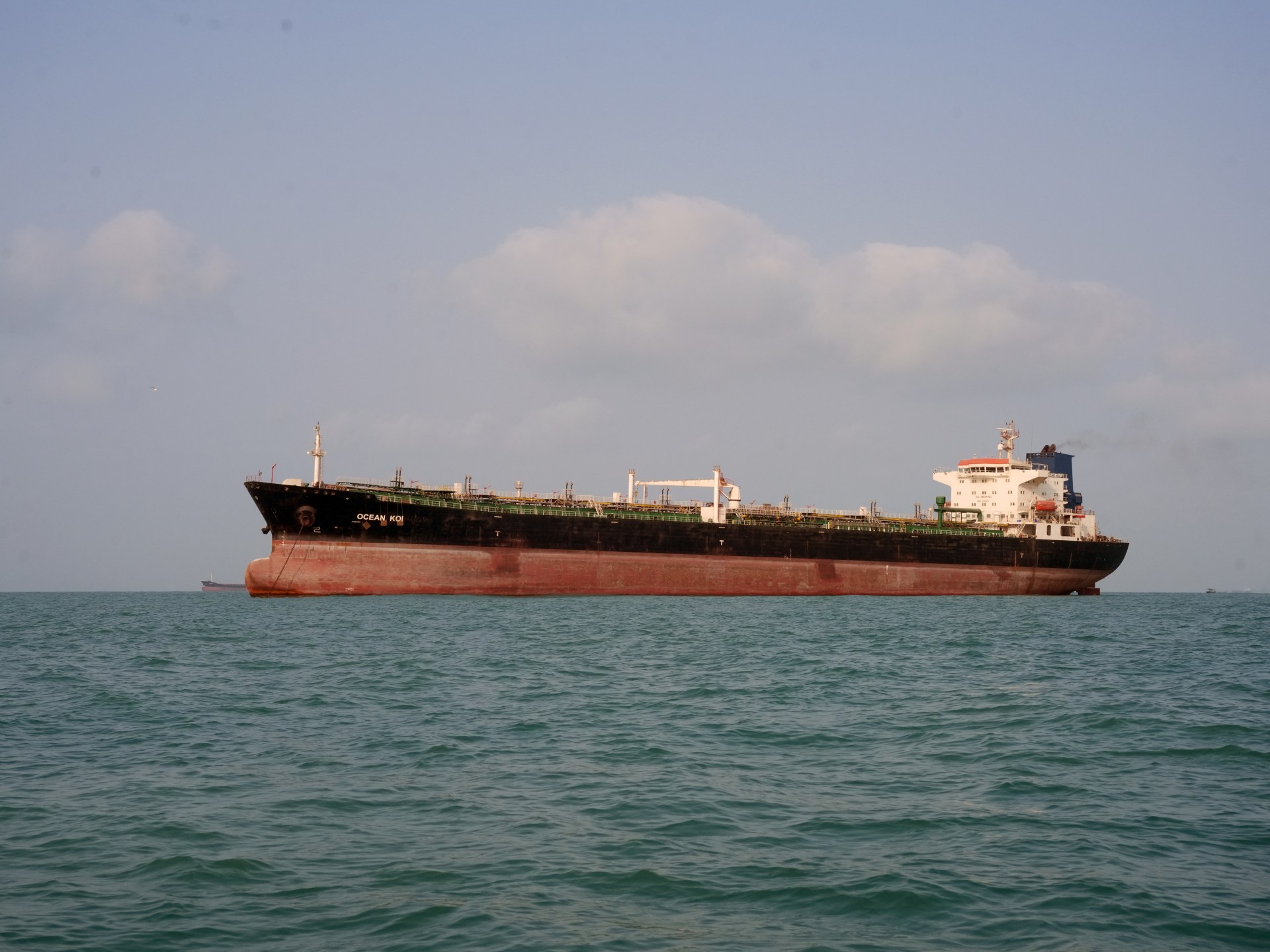
The Strait of Hormuz, the world's most vital energy bottleneck, has transformed into a high-stakes theater of asymmetric maritime conflict. Recent weeks have witnessed a sharp escalation in attacks targeting commercial oil tankers navigating this narrow maritime corridor, through which roughly a fifth of the world's petroleum passes. State-backed actors and aligned militant groups have increasingly utilized advanced drone technology and fast-attack craft to disrupt shipping lanes. Despite these persistent threats, the volume of crude oil and liquefied natural gas transiting the strait has paradoxically surged. Energy exporters in the Persian Gulf, driven by acute fiscal demands and robust international demand, have adapted their logistics, implementing tighter security protocols, staggered convoy formations, and electronic counter-measure systems to ensure continuous flow. This dynamic underscores a dangerous new normal where vital commodity corridors operate under a semi-permanent shadow of kinetic disruption.
Global Trade & Economic Ripples
The persistence of high-volume energy flows alongside escalating maritime violence has triggered profound anomalies across global commodity and shipping markets. Standard marine war risk insurance premiums for voyages through the Persian Gulf have skyrocketed, adding millions of dollars in operational overhead per transit. Yet, because physical barrels continue to clear the chokepoint, benchmark crude prices have experienced volatile, range-bound trading rather than sustained panic spikes. Global refiners in Asia and Europe are absorbing higher freight and insurance costs, which are gradually filtering down into refined product prices and stoking localized inflationary pressures. Meanwhile, shipping conglomerates are re-evaluating crew safety protocols and routing efficiencies, leading to longer turnaround times and tighter global tanker utilization rates that continue to support charter freight rates.
Related Intelligence: Houthi Airport Strikes Escalation Threatens Regional Stability and Energy Flows
International Reactions & Diplomatic Stances
The international community has responded with a mixture of diplomatic alarm and pragmatic naval posture adjustments. The United Nations Security Council has convened emergency consultations, with the Secretary-General urging maximum restraint and emphasizing the inviolability of international maritime law and freedom of navigation. Major importing nations, particularly energy-dependent economies in East Asia and Western Europe, have ramped up diplomatic engagement with Gulf Cooperation Council states to secure supply guarantees. Concurrently, multinational naval coalitions operating in the region have increased patrols and intelligence-sharing initiatives to deter further aggression. However, stark divisions among permanent UN members over broader Middle Eastern geopolitics have hampered cohesive multilateral sanctions or enforcement mechanisms, leaving the burden of security largely on ad-hoc coalitions and individual flag states.
Strategic Outlook & Future Scenarios
Looking ahead, the long-term sustainability of maintaining high-volume oil exports through an active conflict zone remains deeply precarious. Analysts warn that even a single successful catastrophic strike on a Very Large Crude Carrier could trigger an immediate closure of the strait, precipitating an unprecedented global energy shock. Upcoming diplomatic summits and regional security dialogues will likely focus on establishing formal de-escalation channels and emergency maritime corridors. However, absent a comprehensive political settlement addressing underlying regional hostilities, the Strait of Hormuz will remain a critical vulnerability for the global economy, forcing consuming nations to accelerate strategic reserve management and long-term diversification toward alternative supply routes.
Join Our Official WhatsApp Channel
Receive live commodity alerts, policy changes, and commercial intelligence directly on WhatsApp.