
Ukrainian Vulnerabilities Rise Amid Fears of US Intelligence Reductions
Fears over potential reductions in United States intelligence-sharing emerge as intensified Russian strikes target Ukraine's grid, coinciding with Washington's diplomatic push for an energy ceasefire.
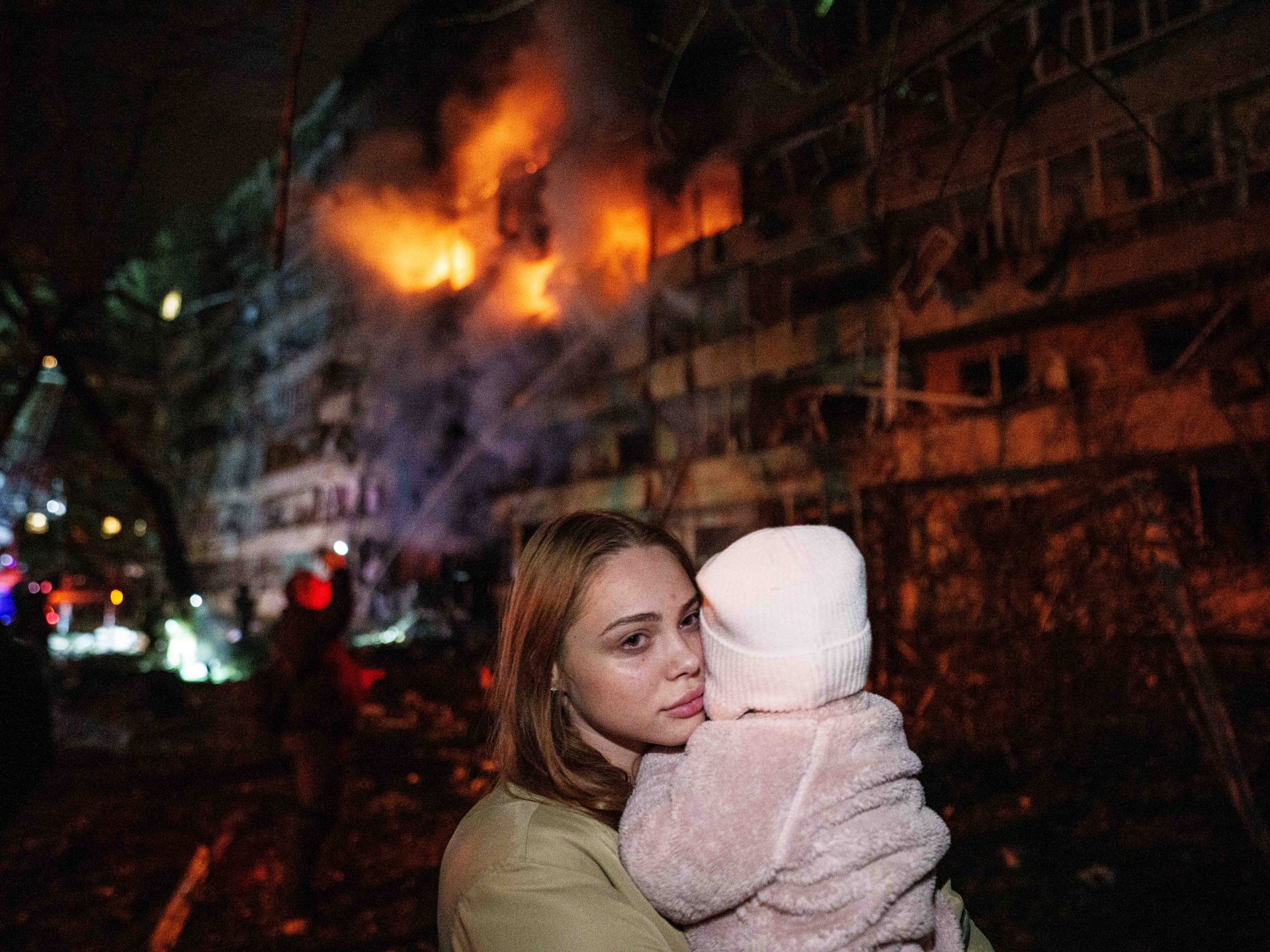
Geopolitical & Core Developments
Ukrainian defense posture and civilian infrastructure protection are confronting systemic uncertainties following reports of prospective recalibrations in United States intelligence-sharing frameworks. Over recent weeks, Russian armed forces have intensified combined missile and loitering munition assaults targeting key Ukrainian urban centers and electricity transmission corridors. Ukrainian operational commanders have historically relied on United States early-warning feeds, radar tracking data, and satellite recon telemetry to preemptively dispatch interceptor assets and alert municipal centers. Reductions in these real-time signals diminish the response window for Patriot and NASAMS air defense batteries, exposing substations and urban hubs to structural attrition.
This security friction coincides with diplomatic shifts emerging from Washington, where incoming political leadership has accelerated initiatives advocating an immediate 'energy ceasefire' and direct peace negotiations between Kyiv and Moscow. The strategic stakes are acute: while an energy truce theoretically protects remaining thermal generation capacities ahead of winter's end, defense planners in Kyiv express concern that any curtailment of United States tactical feeds grants Moscow operational leverage. The Kremlin has consistently leveraged strategic grid degradation to erode domestic resilience, forcing Ukraine to redirect finite air defense ordnance away from frontline tactical sectors to safeguard municipal survival.
Global Trade & Economic Ripples
The degradation of Ukraine's power networks carries direct ramifications for regional and international commodity markets. Ukrainian electricity imports from neighboring European Union members—predominantly Slovakia, Hungary, and Romania—have hovered at maximum physical transmission thresholds. Sustained strikes that isolate local distribution networks drive higher domestic demand for imported diesel fuel and industrial generators, altering petroleum product flows across Central Europe.
Furthermore, the physical security of Ukraine's logistical corridors remains linked to grid integrity. Processing facilities and grain elevators across the Danube river ports and the Greater Odesa maritime corridor require dependable baseline electricity to maintain throughput. Heightened vulnerability to aerial strikes introduces upward risk premiums on Black Sea maritime insurance, impacting bulk agricultural shipments of wheat, maize, and sunflower oil. European natural gas futures, particularly at the Title Transfer Facility (TTF), also reflect heightened volatility whenever Ukrainian gas storage assets or transit compression stations are proximate to aerial engagements.
Related Intelligence: Gilgit-Baltistan Sets Municipal Elections for Major Urban Centers on December 5
International Reactions & Diplomatic Stances
International reactions remain sharply divided between operational defense imperatives and emerging diplomatic tracks. The Ukrainian Ministry of Foreign Affairs underscored that civilian casualty mitigation depends directly on unbroken allied intelligence coordination, warning that blind spots in early-warning radar arrays will precipitate humanitarian disasters. European officials, speaking through NATO and European Union consultative channels, have emphasized the necessity of sustaining sovereign defense commitments, with several Baltic and Nordic partners exploring ways to augment independent satellite monitoring capabilities.
In Washington, proponents of the revised diplomatic approach argue that conditioning intelligence coordination and military assistance is a pragmatic instrument to compel both belligerents toward negotiation parameters. Conversely, United Nations human rights monitors and humanitarian agencies have registered concern over the immediate peril to non-combatant populations if air raid detection periods contract from several minutes to mere seconds. Moscow has dismissed Western assessments, maintaining that strikes target dual-use logistical and industrial targets supporting Ukrainian military infrastructure.
Strategic Outlook & Future Scenarios
The trajectory of the conflict hinges on whether proposed energy ceasefires can achieve verified operational compliance or merely serve as tactical pauses. In the near term, should United States intelligence feeds contract, Ukrainian defense forces will likely face higher interception failure rates, potentially forcing municipal authorities to institute rolling regional blackouts and industrial rationing.
Looking ahead, multilateral summits in early 2025 will test Western cohesion. If Washington mandates an accelerated pivot to negotiations, European capitals will encounter profound pressure to finance and execute independent intelligence, surveillance, and reconnaissance (ISR) support for Ukraine. Market participants will monitor winter energy demand, Black Sea freight volumes, and fertilizer supply chains, with risk models pricing continued fragility across Eastern European industrial corridors until concrete security guarantees are formalized.
Join Our Official WhatsApp Channel
Receive live commodity alerts, policy changes, and commercial intelligence directly on WhatsApp.