
Ukraine Steel Industry Devastated by Sustained Russian Missile Campaign
Relentless Russian missile campaigns have crippled Ukraine's vital steel industry, triggering profound structural shocks across international metal markets and global supply chains.
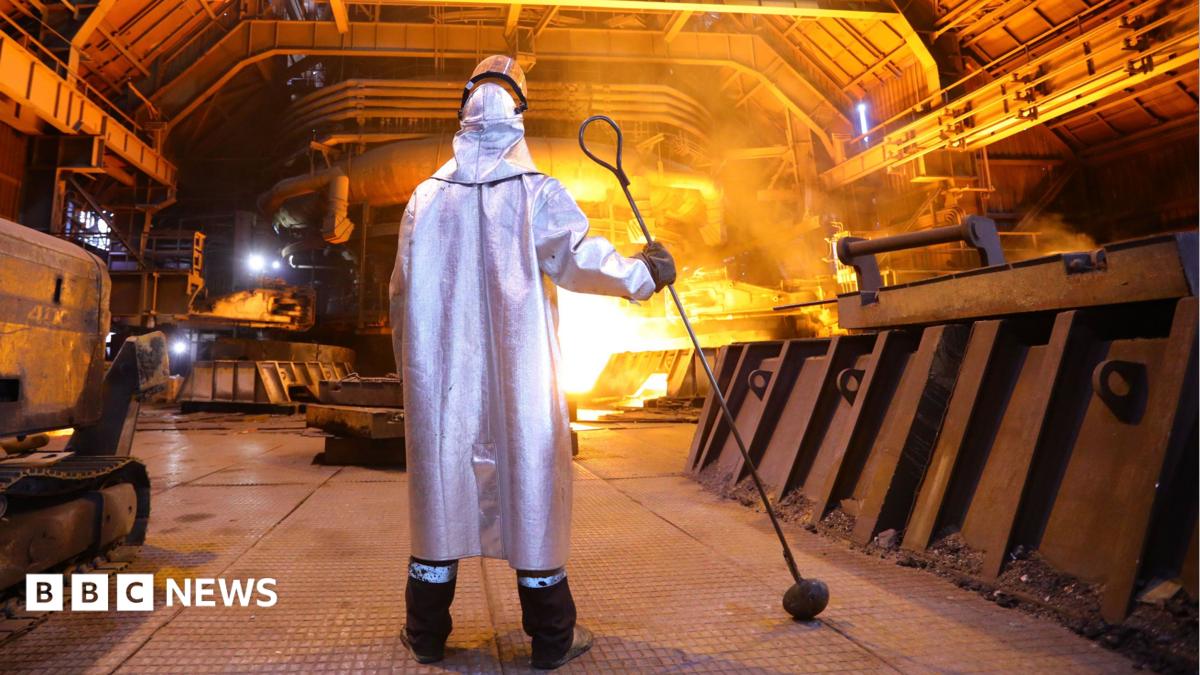
Geopolitical & Core Developments
The systematic targeting of Ukraine's metallurgical infrastructure by Russian missile campaigns marks a critical inflection point in the protracted conflict, shifting the strategic focus from territorial combat to the wholesale decimation of industrial capacity. Ukraine, historically one of Europe's premier steel producers and a cornerstone of global heavy industry, has seen its remaining operational mills brought to a near-complete standstill. Facilities in key industrial hubs such as Kryvyi Rih and Zaporizhzhia, which previously sustained continuous high-volume output despite early wartime disruptions, have absorbed repeated precision strikes targeting power substations, coking plants, and transport corridors. This deliberate attrition strategy by Moscow aims to erode Kyiv's long-term economic viability, neutralizing the nation's post-war reconstruction potential and severing its principal foreign exchange earner. The degradation of these heavy industrial assets underscores a broader geopolitical reality where critical infrastructure is weaponized to deny economic sovereignty, fundamentally altering the strategic calculus for both belligerents and international backers committed to Ukraine's financial resilience.
Global Trade & Economic Ripples
The paralysis of Ukraine's metallurgical sector has generated immediate and far-reaching shockwaves across global commodity markets, particularly affecting European steel, coking coal, and iron ore trade routes. Prior to the escalation, European automakers, construction firms, and machinery manufacturers relied heavily on Ukrainian slabs, hot-rolled coils, and pig iron. With domestic supply severely constrained, European buyers have been forced to scramble for alternative sources in Asia, North America, and the Middle East, driving up input costs and tightening regional availability. Furthermore, the disruption has forced Ukrainian mining conglomerates to redirect raw materials, when transport logistics permit, primarily toward alternative European processing plants, altering traditional maritime and rail freight corridors. Global shipping lanes, already strained by geopolitical tensions in the Red Sea and Black Sea basin, face additional pressure as regional iron ore exports fluctuate wildly. Currency markets have also registered the indirect toll, as the loss of vital export revenues places continuous downward pressure on the Ukrainian hryvnia, compounding the fiscal burden on international financial institutions underwriting Kyiv's state budget.
Related Intelligence: Uganda Crown Rituals Signal Regional Stability and Governance Shifts
International Reactions & Diplomatic Stances
Multilateral organizations and Western governments have condemned the sustained targeting of civilian and industrial infrastructure as a clear violation of international humanitarian law designed to induce economic asphyxiation. The United Nations and specialized trade bodies have highlighted the broader humanitarian consequences, noting that the collapse of industrial employment threatens regional stability and deepens economic dependency on foreign aid. Market analysts and rating agencies have downgraded the long-term growth forecasts for Ukraine's industrial sector, projecting a multi-year recovery timeline even if hostilities were to cease immediately. Meanwhile, international trade associations representing European steelmakers have intensified calls for enhanced protective measures, subsidies, and expedited green-transition financing to offset the sudden loss of Ukrainian imports and stabilize soaring production costs across the continent. Diplomatic channels are increasingly focusing on securing specialized air defense systems to shield surviving critical infrastructure, recognizing that the defense of industrial nodes is now indistinguishable from the defense of the broader state economy.
Strategic Outlook & Future Scenarios
The trajectory of Ukraine's steel industry remains inextricably linked to the broader military stalemate and the evolution of international sanctions against Russia's military-industrial complex. Upcoming diplomatic summits and G7 financial ministerial meetings are expected to address targeted mechanisms for securing reconstruction capital and insuring war-risk investments to jumpstart industrial rehabilitation. However, analysts warn that without a decisive shift in air defense capabilities and robust maritime security guarantees in the Black Sea, heavy industry will remain paralyzed. The long-term scenario points toward a bifurcated European steel market, where traditional supply chains are permanently re-engineered toward domestic production and non-Eastern European suppliers. As sanctions regimes tighten and global energy transitions accelerate demand for specialized green steel, Ukraine's traditional blast-furnace model faces an existential imperative to modernize upon rebuilding, transforming the crisis into a forced, albeit painful, technological evolution.
Join Our Official WhatsApp Channel
Receive live commodity alerts, policy changes, and commercial intelligence directly on WhatsApp.