
Houthi Missile Upgrades Threaten Global Shipping and Red Sea Security
The deployment of modified cruise missiles by Yemen's Houthis threatens to destabilize Red Sea shipping lanes and impact global commodity flows.
Geopolitical & Core Developments
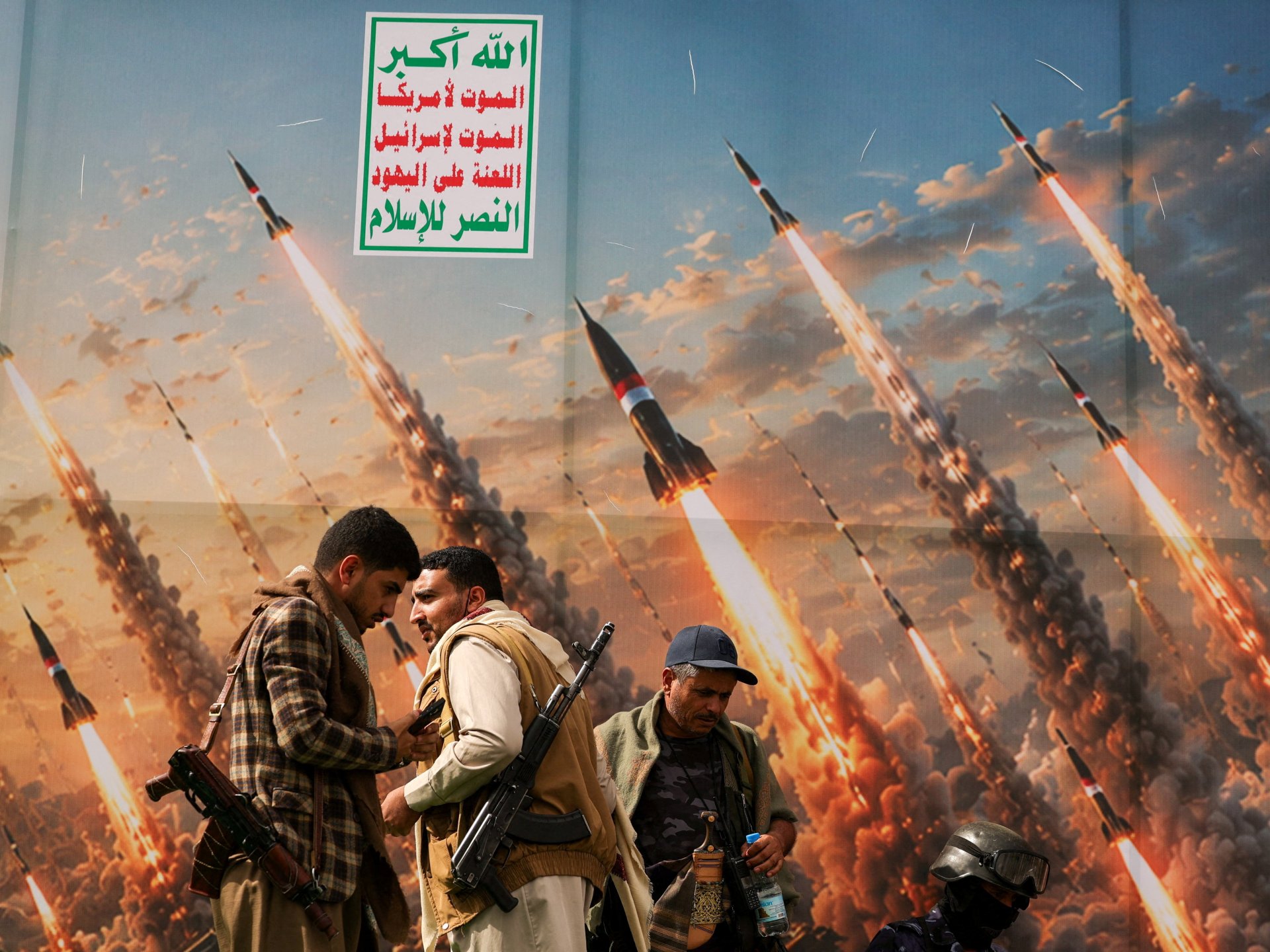
The introduction of technologically advanced, modified cruise systems into the Yemeni conflict marks a significant inflection point in the protracted civil and regional war. Military analysts and defense intelligence experts confirm that the Houthis have integrated sophisticated guidance and propulsion components—widely believed to originate from Iranian supply networks—into their existing offensive inventory. This technological upgrade dramatically extends their effective strike range and precision, transforming localized asymmetric warfare into a persistent strategic threat to international waterways.
The strategic geography of the Bab el-Mandeb strait places these developments at the nexus of vital global commerce. State actors, including regional powers and Western naval coalitions operating under Operation Prosperity Guardian, find their defensive calculus fundamentally altered. Traditional interception metrics designed for standard projectile threats are being re-evaluated as these modified systems demonstrate enhanced evasive flight profiles and electronic countermeasures. Diplomatic efforts to establish durable ceasefires have concurrently stalled, as militant leadership leverages these expanded military capabilities to reinforce their geopolitical bargaining positions across the Arabian Peninsula.
Global Trade & Economic Ripples
The commercial implications of the intensified Houthi campaign extend far beyond the immediate waters of the Red Sea, sending immediate shockwaves through global energy markets and supply chains. Major container shipping lines and international energy conglomerates have instituted prolonged rerouting policies, bypassing the Suez Canal entirely in favor of the longer, cost-prohibitive transit around Africa's Cape of Good Hope. This diversion adds approximately ten to fourteen days to Asia-Europe voyages, driving up bunker fuel consumption, vessel charter rates, and overall operational expenditures.
Commodity pricing, particularly for liquefied natural gas (LNG), crude oil, and refined petroleum products, remains highly sensitive to these logistical bottlenecks. Insurance underwriters have drastically increased war-risk premiums for vessels transiting the southern Red Sea and Gulf of Aden, directly inflating landed costs for industrial raw materials and consumer goods. While global markets have absorbed the initial logistical shock through excess shipping capacity, sustained disruptions threaten to reintroduce inflationary pressures across European and Asian manufacturing hubs, complicating central bank monetary policy trajectories.
Related Intelligence: Iran Faces Severe Supply Strain Amid Escalating US Tensions
International Reactions & Diplomatic Stances
Multilateral institutions and international bodies have responded with mounting alarm to the proliferation of advanced military hardware in the region. The United Nations Security Council has issued successive resolutions condemning maritime attacks and demanding an immediate cessation of hostilities against commercial shipping. However, enforcement mechanisms remain constrained by divergent geopolitical interests among permanent council members.
Western capitals have reiterated their commitment to freedom of navigation, combining targeted military strikes against launch infrastructure with sweeping economic sanctions aimed at severing financial networks supporting Houthi procurement operations. Meanwhile, regional diplomatic actors, notably Saudi Arabia and Oman, continue delicate backchannel negotiations to insulate ongoing peace initiatives from the maritime escalation. Market analysts note that while official statements project unwavering resolve, commercial stakeholders remain deeply anxious regarding the lack of a definitive security guarantee for maritime transit corridors.
Strategic Outlook & Future Scenarios
Looking ahead, the trajectory of the Red Sea crisis will depend heavily on the intersection of naval defense efficacy, technological countermeasures, and broader Middle Eastern geopolitics. If defensive systems fail to reliably neutralize these modified missile threats, shipping lines may institutionalize permanent route adjustments, fundamentally redrawing contemporary maritime trade maps.
Upcoming international shipping summits and maritime security forums are expected to focus heavily on hardening commercial vessels against asymmetric attacks and improving real-time intelligence sharing between navies and private operators. Furthermore, any escalation in regional state-on-state tensions risks exacerbating the flow of advanced weaponry into Yemen, ensuring that the security architecture of the Red Sea remains precarious. Investors and commodity traders must price in sustained structural volatility, treating maritime security risks as a permanent baseline condition for global commerce through the medium term.
Join Our Official WhatsApp Channel
Receive live commodity alerts, policy changes, and commercial intelligence directly on WhatsApp.