
Ukraine Braces for Brutal Winter as Civilians Flee Kyiv Amid Energy Strikes
Kyiv residents flee to rural areas as systematic Russian attacks target energy infrastructure, threatening a severe humanitarian crisis and renewed volatility across global commodity markets.
Geopolitical & Core Developments
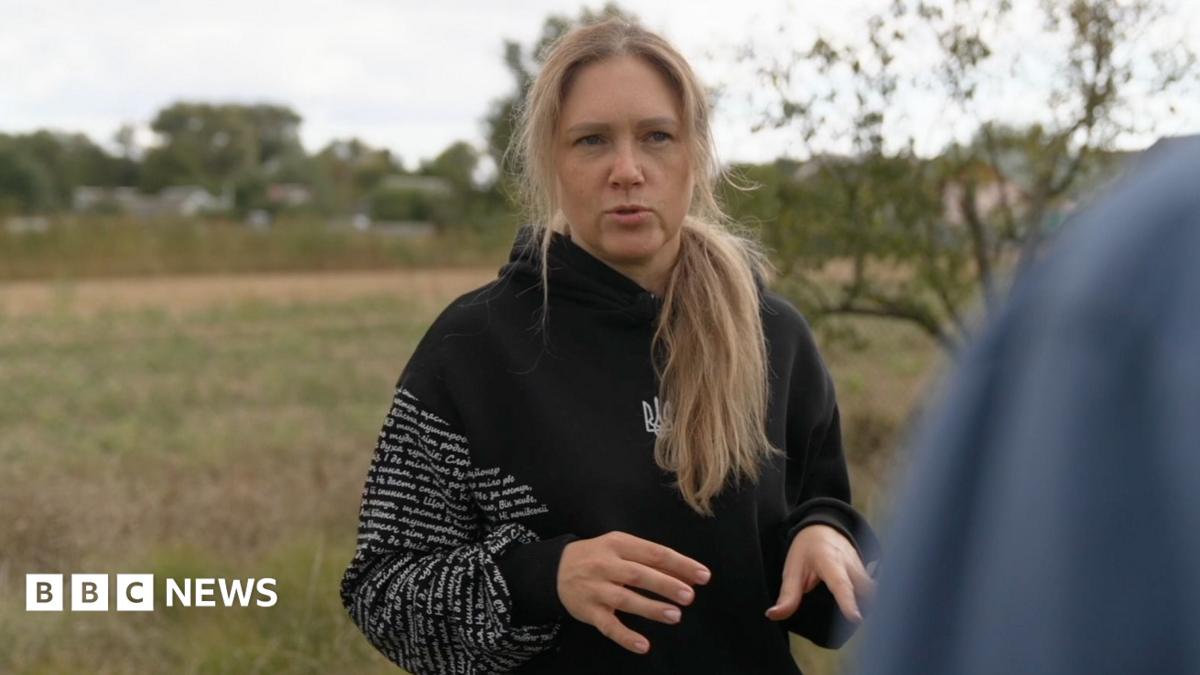
As the shadow of winter lengthens across Eastern Europe, Ukraine faces one of its most perilous geopolitical and humanitarian chapters since the full-scale invasion began. Reports from the BBC highlight a growing exodus from the capital, Kyiv, as residents relocate to rural sanctuaries to escape potential Russian bombardment. Civilian evacuations underscore a deliberate strategy by Moscow to weaponize the harsh winter elements against the Ukrainian population. By systematically degrading the nation's centralized heating, water, and electricity grids, state actors are attempting to break civilian morale and force strategic concessions.
Military analysts note that this cold-weather campaign represents a continuation of attrition tactics. With diplomatic channels remaining largely deadlocked and peace negotiations stalled, the frontline has evolved into a war of endurance. Ukraine's strategic stakes are clear: maintaining societal resilience while defending critical infrastructure against relentless drone and missile barrages. Meanwhile, Western allies continue to debate the expedited delivery of advanced air defense systems, though logistical bottlenecks and production lags hamper rapid deployment.
Global Trade & Economic Ripples
The systematic targeting of Ukraine's energy infrastructure reverberates far beyond its borders, sending immediate shockwaves through global commodity markets and European supply chains. As Ukraine struggles to maintain domestic power generation, its demand for emergency energy imports increases, placing additional strain on an interconnected European grid. This localized energy deficit coincides with the continent-wide heating season, driving up European benchmark natural gas prices and threatening industrial output across Germany and Central Europe.
Furthermore, the prolonged conflict continues to cast uncertainty over Black Sea shipping lanes and regional agricultural exports, though domestic logistical routes have adapted. Energy market participants are closely monitoring weather forecasts and inventory levels across the European Union. Any significant supply disruption or severe cold snap could trigger sharp spikes in liquefied natural gas (LNG) spot prices, intensifying inflationary pressures globally and impacting currency values across emerging markets dependent on imported fuel.
Related Intelligence: OpenAI Safety Firings Spark Global Governance and Tech Supply Chain Debate
International Reactions & Diplomatic Stances
International bodies and foreign governments have strongly condemned the intensification of attacks on civilian infrastructure, classifying them as violations of international humanitarian law. The United Nations and various multilateral organizations have stepped up appeals for emergency humanitarian funding, warning of a potential displacement wave as urban centers become increasingly uninhabitable. Officials in Brussels and Washington have reiterated their commitment to financial and military assistance, though fatigue is palpable among some legislative bodies.
Market analysts and geopolitical risk firms suggest that the diplomatic stalemate will persist through the winter months, with neither side willing to compromise on fundamental territorial demands. Western sanctions against Russia's energy sector remain a cornerstone of Allied policy, despite ongoing debates regarding their long-term efficacy and the emergence of shadow fleets bypassing price caps. Multilateral summits scheduled for early next year are expected to focus heavily on long-term reconstruction financing and enhanced sanctions enforcement.
Strategic Outlook & Future Scenarios
Looking ahead, the trajectory of the conflict will heavily depend on the severity of the winter weather and the effectiveness of Ukraine's air defense network. If critical nodes of the energy grid suffer catastrophic failures, a secondary migration wave of displaced persons toward Western Europe could materialize, posing political and administrative challenges for neighboring states.
Conversely, successful deterrence and rapid repair initiatives could help stabilize the domestic front, preserving industrial capacity and civilian morale. As global superpowers monitor the stalemate, energy markets will remain acutely sensitive to geopolitical headlines, ensuring that the economic fallout of the war continues to be felt worldwide well into the coming year.
Join Our Official WhatsApp Channel
Receive live commodity alerts, policy changes, and commercial intelligence directly on WhatsApp.