
India's Gen Z Protests Ignite Market Uncertainty and Geopolitical Scrutiny
Surging Gen Z-led protests across India challenge Prime Minister Narendra Modi's administration, introducing fresh regulatory and economic uncertainties for global trade partners.
Geopolitical & Core Developments
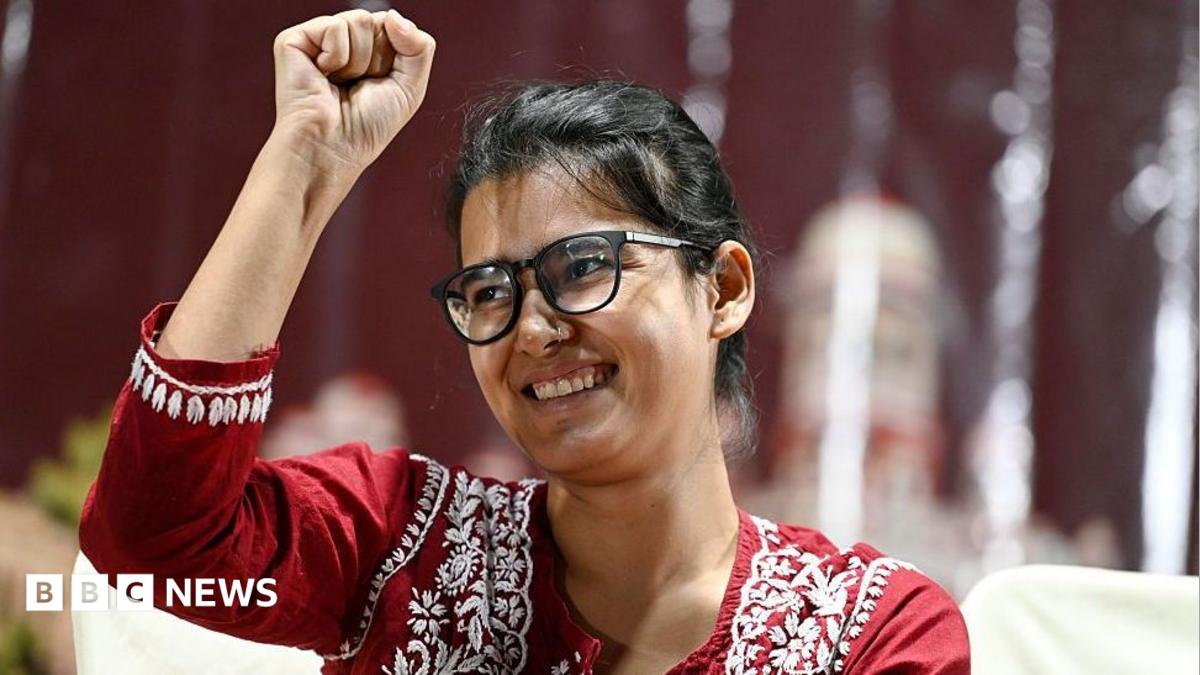
India has entered a volatile political phase as a new wave of youth-led demonstrations challenges the entrenched administration of Prime Minister Narendra Modi. At the forefront of this movement is Neha Bora, a prominent Gen Z activist whose defiance has galvanized urban youth and transformed localized grievances into a nationwide sociopolitical phenomenon. The protests, catalyzed by mounting economic pressures, youth unemployment, and contentious governance reforms, represent the most sustained domestic challenge to the ruling Bharatiya Janata Party (BJP) in recent years. State actors and political analysts are closely monitoring how New Delhi manages civil unrest, noting that the government's traditional reliance on strongman rhetoric and administrative crackdowns may yield diminishing returns in an increasingly hyper-connected digital landscape. The strategic stakes are immense for the world's most populous nation, where political stability has long served as a cornerstone for regional security and democratic continuity in South Asia. As diplomatic missions in New Delhi dispatch cautious assessments back to their respective foreign ministries, the central government faces mounting pressure to balance security imperatives with democratic norms, lest internal friction compromise India's growing stature as a counterweight in Indo-Pacific security architectures.
Global Trade & Economic Ripples
Beyond domestic political friction, the expanding protests carry tangible consequences for international commerce and global commodity markets. India represents a critical pillar of global economic growth, functioning as a major consumer of crude oil, a primary hub for technological outsourcing, and an indispensable node in manufacturing supply chains. Prolonged civil disruption threatens to dent domestic consumption and disrupt industrial output, sending ripples across global energy markets as traders recalibrate near-term demand forecasts for Brent crude and refined petroleum products. Furthermore, multinational corporations with heavy reliance on Indian tech parks and manufacturing facilities are auditing their business continuity plans. Any sustained paralysis in urban centers risks delaying shipments of vital electronics, pharmaceuticals, and agricultural commodities, compounding existing vulnerabilities in global logistics networks. Currency markets have also registered subtle jitters, with foreign institutional investors adopting a risk-off posture regarding Indian equities, leading to temporary pressure on the rupee and heightening scrutiny over foreign direct investment inflows.
Related Intelligence: New Delhi Secures Capital Amid Massive Electoral Protests
International Reactions & Diplomatic Stances
Global capitals and multilateral organizations are walking a diplomatic tightrope, balancing traditional bilateral alliances with commitments to human rights and freedom of expression. Officials at the United Nations have issued measured statements urging all parties to exercise restraint and protect fundamental civic freedoms, signaling quiet concern over the state's handling of civil dissent. Meanwhile, trade partners in the G7, particularly the United States and the European Union, are evaluating the long-term implications of India's internal stability on comprehensive trade negotiations and bilateral tech-transfer agreements. Market analysts and risk-assessment firms have revised their political risk indices for South Asia, warning that protracted domestic turmoil could impair New Delhi's bandwidth to engage effectively in plurilateral forums such as the Quad. While foreign governments remain publicly supportive of India's democratic framework, private diplomatic channels are reportedly pressing for transparent dialogue between the state and youth leadership to avert deeper polarization.
Strategic Outlook & Future Scenarios
Looking ahead, the trajectory of India's Gen Z movement will likely dictate the political rhythm leading up to upcoming electoral cycles and international summits. If the Modi administration adopts a conciliatory approach through structural economic reforms and youth-focused employment initiatives, market confidence could rapidly rebound, solidifying India's position as an economic safe haven. Conversely, a hardline security response risks entrenching opposition, potentially triggering prolonged strikes, capital flight, and heightened regulatory scrutiny from Western governments. As upcoming international trade summits approach, global investors will monitor whether New Delhi can successfully insulate its macroeconomic reform agenda from domestic friction. Ultimately, the outcome of this generational clash will test the resilience of India's democratic institutions and redefine its role as a stable anchor in the global supply chain landscape.
Join Our Official WhatsApp Channel
Receive live commodity alerts, policy changes, and commercial intelligence directly on WhatsApp.