
UK Support for Saudi Operations Deepens Amid Red Sea Security Crisis
British logistical military backing for Saudi Arabia and European efforts to protect critical energy infrastructure highlight escalating geopolitical risks across key Middle Eastern trade routes.
Geopolitical & Core Developments
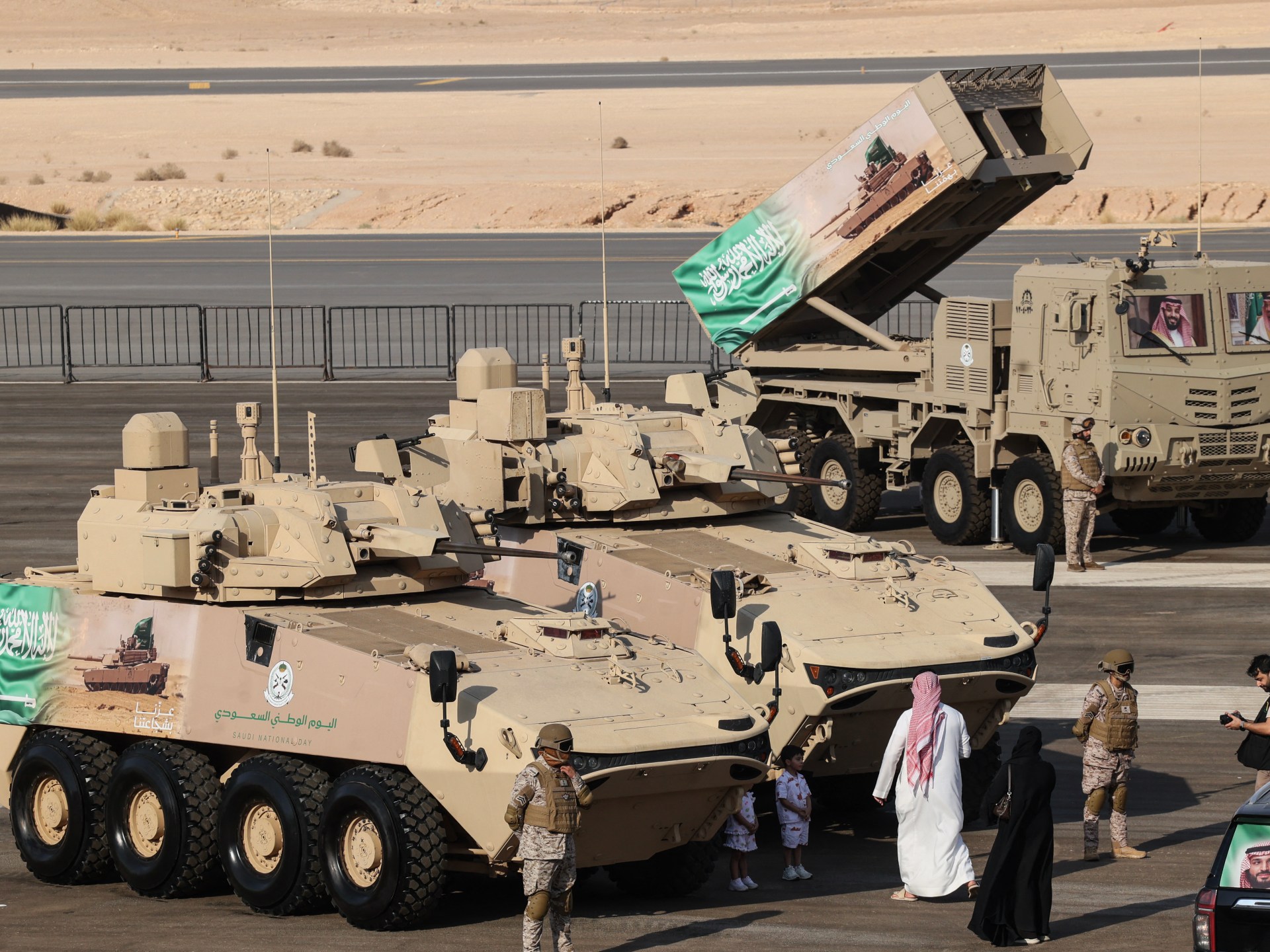
The complex architecture of Middle Eastern security continues to face severe strain as Western military powers deepen their engagement in the regional fallout of the Yemen conflict. The United Kingdom's ongoing logistical support for Saudi air operations—encompassing crucial mid-air refueling and intelligence-sharing capabilities—underscores London's long-standing strategic defense partnership with Riyadh. This military cooperation operates against the backdrop of persistent cross-border hostilities involving Yemen's Iran-backed Houthi movement, whose campaign of drone and missile strikes has transformed the southern Arabian Peninsula into a volatile flashpoint.
Concurrently, European allies such as France have stepped up naval and diplomatic efforts to secure critical energy infrastructure across the wider region. The convergence of British logistical assistance and French infrastructure protection illustrates a coordinated, albeit anxious, Western security posture designed to prevent the collapse of regional stability. State actors find themselves walking a diplomatic tightrope: maintaining crucial commercial and security alliances with Gulf monarchies while attempting to deter further escalation by non-state militant factions backed by Tehran.
[Global Trade](/news/trump-xi-summit-geopolitical-friction-and-global-trade-stakes) & Economic Ripples
The persistent hostilities in Yemen and the adjacent Red Sea shipping lanes carry profound implications for global commodity markets and international commerce. The Bab el-Mandeb strait, a vital chokepoint through which a significant portion of global petroleum and containerized cargo passes, remains under constant threat from asymmetric Houthi strikes. Consequently, major container shipping lines and energy conglomerates have been forced to reroute vessels around the Cape of Good Hope, adding thousands of nautical miles and critical weeks to voyages between Asia and Europe.
This maritime detour has injected immediate inflationary pressures into global supply chains. Bunker fuel consumption has surged, while maritime war-risk insurance premiums for vessels transiting the Gulf of Aden have skyrocketed. For global commodity markets, the situation introduces a persistent risk premium on crude oil and liquefied natural gas (LNG) shipments. Energy traders remain acutely sensitive to any disruption in Saudi production facilities or export terminals, knowing that an expansion of the conflict could instantly trigger severe price shocks across international energy exchanges.
Related Intelligence: UNGA High-Stakes Addresses Focus on Iran and Ukraine Crises
International Reactions & Diplomatic Stances
The international community remains deeply divided on the appropriate mechanism to restore order, though consensus is solidifying around the necessity of freedom of navigation. Officials at the United Nations have repeatedly warned that military escalations risk undermining fragile peace talks within Yemen itself, complicating efforts by UN special envoys to broker a lasting political settlement between the Houthi movement and the internationally recognized Yemeni government.
Meanwhile, multilateral bodies and market analysts emphasize that defensive measures alone cannot resolve the underlying security crisis. Washington and its European partners continue to issue diplomatic warnings to Tehran regarding its material support for the Houthi insurgency. However, regional capitals express frustration over the perceived lack of a cohesive, long-term strategy to neutralize the asymmetric threats posed by advanced missile and drone technologies deployed by non-state actors against commercial shipping.
Strategic Outlook & Future Scenarios
Looking ahead, the trajectory of the conflict points toward protracted militarization of key Red Sea corridors. Upcoming diplomatic summits between Gulf Cooperation Council (GCC) states and Western partners are expected to focus heavily on integrated air defense architectures and maritime intelligence-sharing frameworks. However, analysts warn that defensive postures may not deter determined militant factions, raising the specter of preemptive strikes against launch sites within Yemen.
For global markets, the baseline scenario involves enduring elevated freight rates and persistent supply chain friction well into the medium term. Unless diplomatic breakthroughs can fundamentally alter the calculus of regional proxy networks, the intersection of geopolitics and commerce in the Middle East will continue to demand intense risk management from multinational corporations and institutional investors alike.
Join Our Official WhatsApp Channel
Receive live commodity alerts, policy changes, and commercial intelligence directly on WhatsApp.