
Harvey Weinstein Sentenced to 15 Years Following Landmark Sexual Assault Retrial
Harvey Weinstein has been sentenced to 15 years in prison following a retrial, concluding six years of landmark legal battles that reshaped global corporate and cultural accountability standards.
Geopolitical & Core Developments
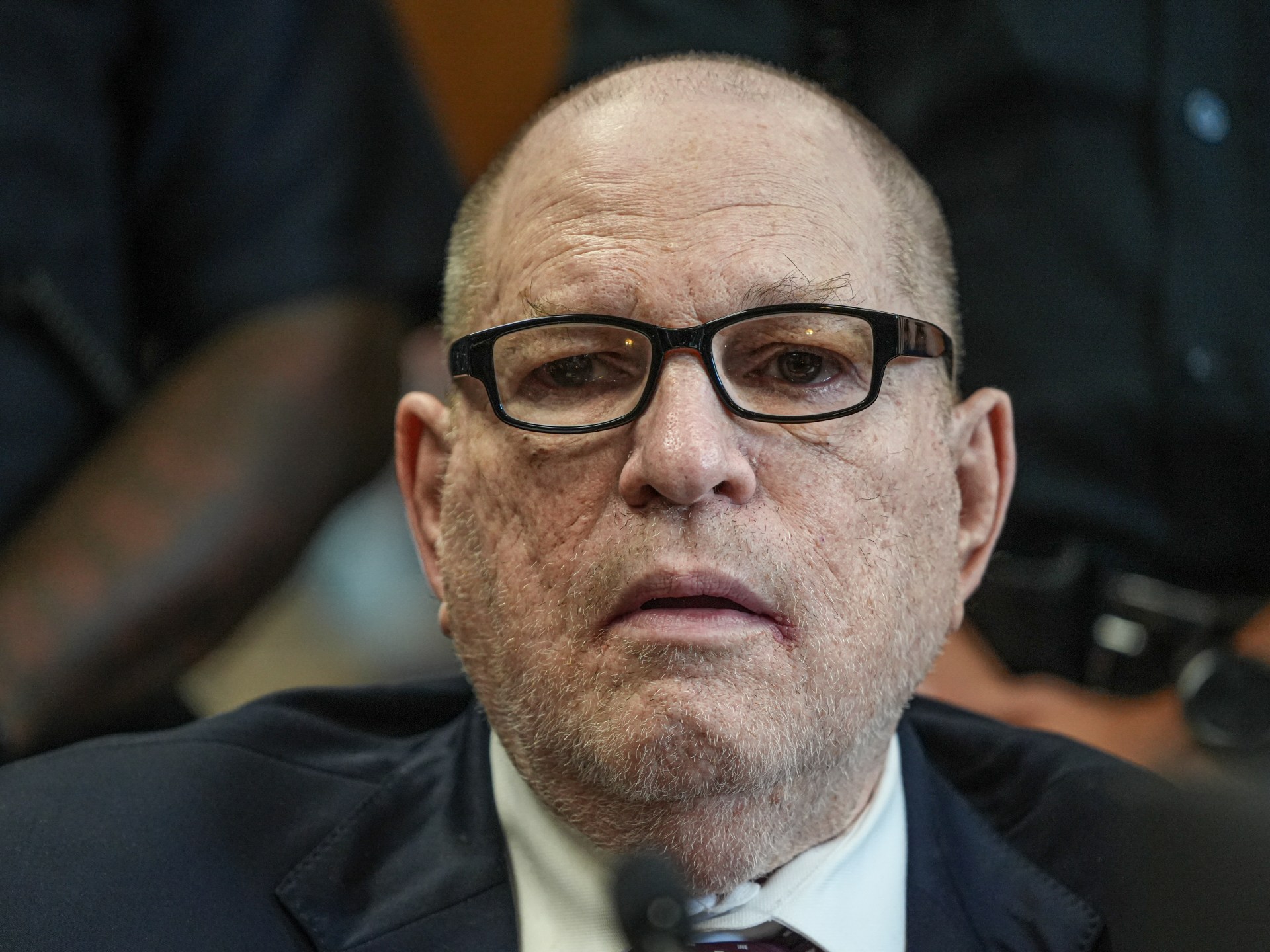
A New York court has formally sentenced disgraced film producer Harvey Weinstein to 15 years in prison following a complex sexual assault retrial. This pivotal judicial ruling effectively seals six years of grueling legal battles that began with his initial landmark conviction for attacking a television production assistant. The proceedings, which attracted intense global media scrutiny, represent a watershed moment in the intersection of criminal law, corporate governance, and societal accountability. State prosecutors and defense teams engaged in exhaustive arguments regarding legal precedent, evidentiary standards, and the interpretation of historic statutes of limitations, ultimately resulting in a definitive sentence that underscores the gravity of the judicial findings.
Global Trade & Economic Ripples
While primarily a legal and cultural milestone, the sustained fallout from the Weinstein case continues to reverberate across global commercial sectors, influencing corporate governance, risk management, and human resources frameworks in multinational enterprises. International media conglomerates, entertainment financing institutions, and luxury consumer brands have overhauled their compliance protocols, embedding stringent anti-harassment policies to mitigate severe reputational and financial liabilities. Institutional investors increasingly factor Environmental, Social, and Governance (ESG) metrics—specifically corporate culture, executive conduct, and workplace safety—into their valuation models, directly impacting capital allocation and corporate valuations across global markets.
Related Intelligence: White House Press Pool Ban Triggers Global Media Freedom Concerns
International Reactions & Diplomatic Stances
International legal observers, human rights organizations, and advocacy groups have lauded the conclusion of the retrial as a testament to the resilience of judicial systems in addressing systemic workplace misconduct. Representatives from civil society organizations emphasized that the outcome reinforces global standards for victim protection and judicial transparency. Market analysts note that multinational corporations are facing heightened expectations from international stakeholders to enforce rigorous compliance standards, ensuring that governance failures are met with swift, transparent, and decisive administrative action.
Strategic Outlook & Future Scenarios
Looking ahead, the legal precedent established by the Weinstein proceedings will likely influence legislative agendas and regulatory enforcement mechanisms across multiple jurisdictions. Policymakers in various Western democracies are considering reforms to arbitration clauses, nondisclosure agreements, and corporate liability laws to further protect employees and enhance transparency. As global markets increasingly prioritize robust governance standards, corporations must navigate an evolving regulatory landscape where ethical compliance and executive accountability are central to sustaining investor confidence and international market access.
Join Our Official WhatsApp Channel
Receive live commodity alerts, policy changes, and commercial intelligence directly on WhatsApp.