
UK Signals Shift on Gaza Policy as Commercial Pressures Mount
The UK government vows decisive action on Palestinian rights amid rising Middle East tensions that threaten critical global supply chains and energy markets.
Geopolitical & Core Developments
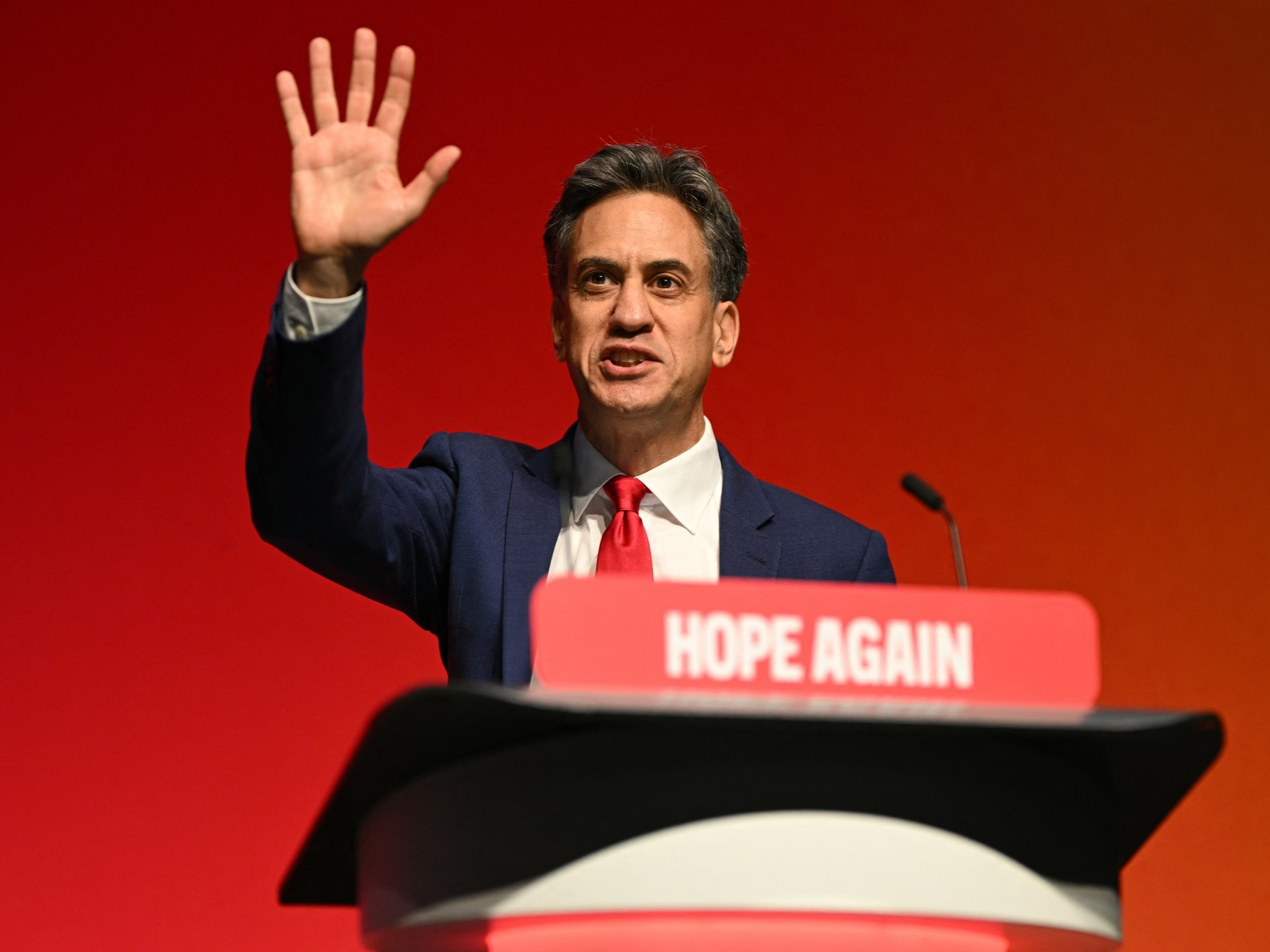
In a notable pivot in British foreign policy, the United Kingdom's top diplomat has pledged a tougher stance regarding Israeli military operations in Gaza and escalating tensions in the West Bank. Emphasizing a departure from mere rhetoric, the administration committed to matching diplomatic words with concrete actions to defend Palestinian rights and uphold international humanitarian law. This policy shift reflects growing domestic and international pressure on London to re-evaluate its bilateral engagements and regulatory frameworks concerning the conflict.
The strategic stakes extend far beyond the immediate geographic confines of the Levant. As diplomatic channels strain under the weight of mounting civilian casualties and stalled ceasefire negotiations, traditional alliances are undergoing significant stress tests. State actors across Europe and the Middle East are recalibrating their diplomatic postures, anticipating prolonged instability that could fundamentally alter regional security architectures and reshape longstanding diplomatic alignments.
Global Trade & Economic Ripples
For global commodity markets and international trade networks, the widening conflict poses severe systemic risks. The eastern Mediterranean and adjacent maritime choke points, including the Suez Canal and the Red Sea corridor, remain vulnerable to security disruptions that severely impact global shipping lanes. Prolonged instability in these critical logistical arteries forces commercial carriers into costly, time-consuming detours around the Cape of Good Hope, driving up freight rates, insurance premiums, and final consumer prices across major importing economies.
Energy markets remain exceptionally sensitive to these geopolitical friction points. Although direct disruptions to primary oil and natural gas production fields have been managed through strategic reserves and alternative routing, traders continue to price in a substantial risk premium. Volatility in energy futures directly translates into elevated operational costs for manufacturing and logistics sectors worldwide, threatening to reignite inflationary pressures just as central banks begin contemplating monetary easing cycles. Industrial metals, agricultural commodities, and fertilizer supply chains are similarly exposed to the secondary shockwaves of constrained maritime throughput and currency fluctuations.
Related Intelligence: Hurricane Polo Threatens Mexico Pacific Coast and Global Supply Chains
International Reactions & Diplomatic Stances
Multilateral organizations and global financial institutions have responded to the British policy shift with cautious engagement. United Nations officials have repeatedly underscored the urgent need for unhindered humanitarian access and strict adherence to international legal norms, warning that economic devastation in the Palestinian territories creates structural instability across the wider Middle East. Meanwhile, trade analysts and sovereign risk assessors note that Western capitals are increasingly utilizing economic compliance tools, trade restrictions, and targeted diplomatic measures to signal disapproval of specific military strategies.
Trading partners in the Gulf Cooperation Council have maintained a delicate balancing act, publicly condemning civilian suffering while striving to maintain regional economic stability and investment flows. However, divergent approaches between Washington, London, and continental European partners regarding trade restrictions and arms exports introduce regulatory uncertainty for multinational corporations operating within the region's energy and infrastructure sectors.
Strategic Outlook & Future Scenarios
Looking ahead, the trajectory of UK foreign policy on this dossier will likely be tested at upcoming international summits and United Nations General Assembly sessions. If London moves forward with concrete regulatory measures, such as reviewing bilateral trade agreements or implementing targeted sanctions, other European nations may follow suit, creating a unified Western stance that could permanently alter commercial relationships with key Middle Eastern actors.
Conversely, any unexpected de-escalation on the ground could temporarily alleviate pressure on maritime shipping lanes and energy markets. Nevertheless, structural vulnerabilities in global supply chains will persist. Investors and corporate strategists must prepare for a prolonged period of geoeconomic fragmentation, where political risk assessments dictate capital allocation, supply chain diversification, and trade route resilience across global commodity markets.
Join Our Official WhatsApp Channel
Receive live commodity alerts, policy changes, and commercial intelligence directly on WhatsApp.