
Malaysia Commences Rohingya Repatriation Amid Global Security and Human Rights Backlash
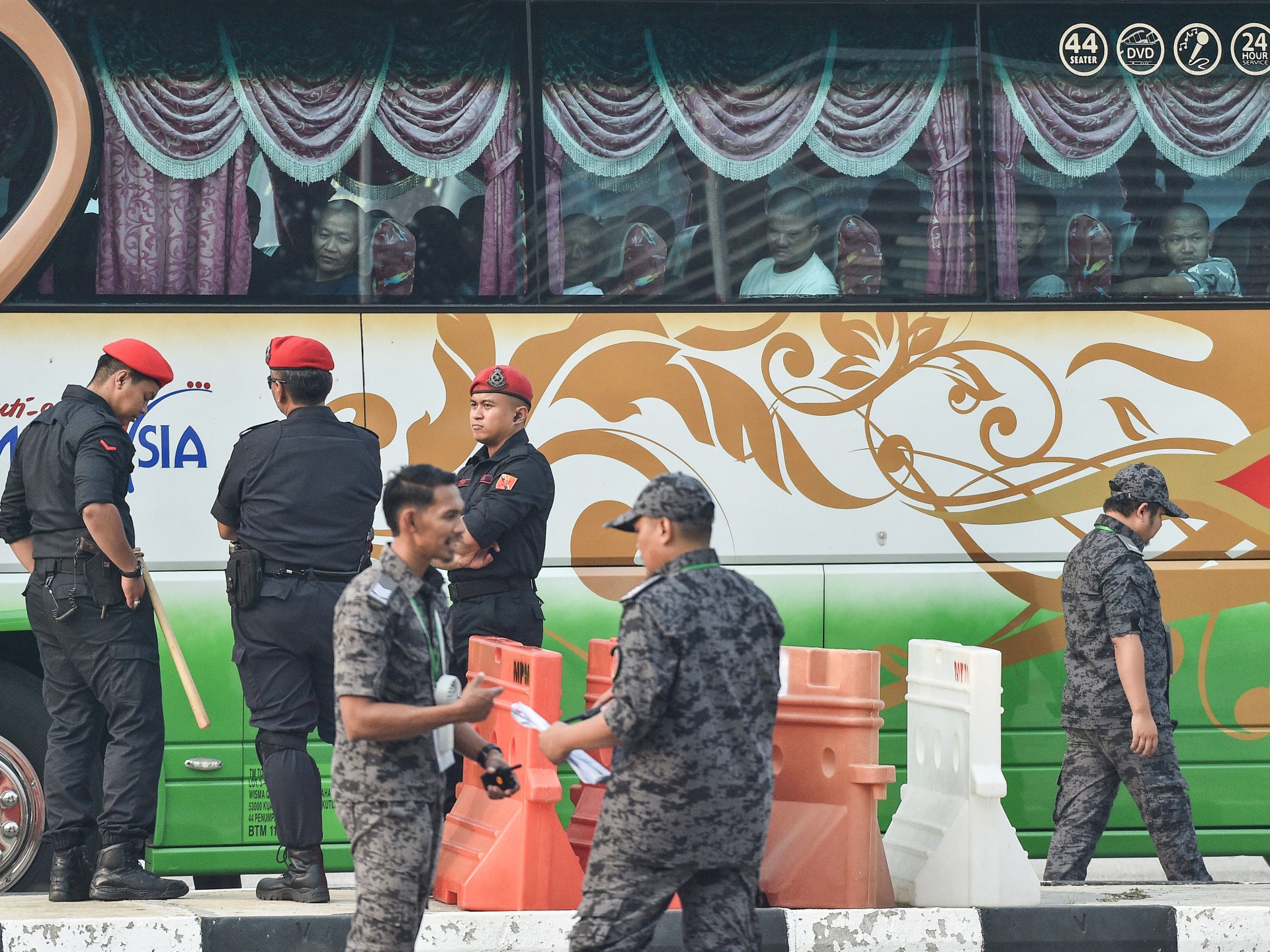
Malaysia has begun deporting some 1,500 Rohingya refugees back to Myanmar, defying international warnings and drawing severe condemnation from global human rights organizations over safety concerns.
Geopolitical & Core Developments
Kuala Lumpur has initiated a controversial repatriation program targeting approximately 1,500 Rohingya refugees in its initial phase, sending them back to Myanmar despite vehement warnings from international monitors and humanitarian groups. The decision marks a significant hardening of Malaysia’s stance toward undocumented populations and asylum seekers residing within its borders. State authorities defended the measure as part of a broader crackdown on irregular migration, asserting that immigration laws must be strictly enforced regardless of country of origin. However, human rights advocates point out that Myanmar remains mired in violent internal conflict, political instability, and systemic persecution against the predominantly Muslim Rohingya minority following the 2021 military coup. Returning vulnerable individuals to an active conflict zone directly violates foundational principles of customary international law, particularly the prohibition of refoulement. The timeline of the deportations underscores a growing impatience among Southeast Asian host nations burdened by protracted refugee crises, even as regional diplomatic efforts under the Association of Southeast Asian Nations (ASEAN) remain deadlocked over how to address the root causes of the displacement crisis.
Global Trade & Economic Ripples
While humanitarian crises typically exert localized social pressures, the policy shift in Malaysia carries subtle yet significant implications for regional labor markets, supply chain stability, and bilateral trade dynamics across Southeast Asia. Malaysia relies heavily on migrant labor across key export-oriented sectors, including palm oil production, manufacturing, and construction. A sweeping crackdown on undocumented individuals and refugees creates acute labor shortages and compliance risks for multinational corporations operating within the supply chain. Heightened scrutiny on migrant populations often leads to informal labor flight, disrupting productivity in labor-intensive agricultural commodities. Furthermore, regional trade corridors through the Straits of Malacca depend heavily on stable maritime security and predictable regulatory environments. As international bodies scrutinize Kuala Lumpur's human rights compliance, institutional investors integrating Environmental, Social, and Governance (ESG) criteria into their portfolios may increase risk premiums on Malaysian sovereign debt and equities tied to exposed industries. Multilateral trade agreements involving Southeast Asian economies could also face indirect pressure if trading partners condition preferential market access on adherence to international humanitarian standards.
Related Intelligence: Italy's Burqa Ban Proposal Stirs Domestic Tensions and Economic Uncertainty
International Reactions & Diplomatic Stances
The repatriation initiative has triggered an immediate and sharp rebuke from the international community. The United Nations High Commissioner for Refugees (UNHCR) issued an urgent appeal to the Malaysian government, reiterating that Rohingya refugees face grave risks to their lives and liberty upon returning to Myanmar. Representatives from Amnesty International and Human Rights Watch have characterized the deportations as a callous disregard for human dignity and international obligations. Conversely, domestic political factions in Malaysia have largely defended the state's prerogative to secure its borders and manage national sovereignty. Neighboring ASEAN member states have maintained a cautious diplomatic silence, reflecting the bloc's traditional adherence to the principle of non-interference in internal affairs. Nevertheless, Western donor governments and international financial institutions are quietly reviewing their diplomatic engagements with Kuala Lumpur, warning that persistent violations of refugee protection norms could complicate bilateral cooperation frameworks and foreign direct investment strategies over the medium term.
Strategic Outlook & Future Scenarios
Looking ahead, the trajectory of Malaysia’s refugee policy will likely set a dangerous precedent for neighboring nations grappling with similar demographic and economic pressures. If the initial phase of 1,500 repatriations proceeds without severe immediate economic or diplomatic sanctions, Kuala Lumpur is expected to expand the scope of deportations to include larger cohorts of undocumented individuals. This hardening stance threatens to permanently destabilize regional humanitarian networks, driving vulnerable populations further into underground smuggling and human trafficking rings across maritime Southeast Asia. Upcoming regional summits will likely feature intense behind-the-scenes lobbying by Western diplomats and human rights watchdogs seeking to moderate Malaysia's deportation schedule. However, unless ASEAN fundamentally reforms its approach to Myanmar's political crisis and regional burden-sharing, forced returns will remain a grim reality, compounding geopolitical friction and tarnishing the economic reputation of host nations striving for global leadership in trade and governance.
Join Our Official WhatsApp Channel
Receive live commodity alerts, policy changes, and commercial intelligence directly on WhatsApp.