
Hurricane Polo Threatens Mexico Pacific Coast and Global Supply Chains
Category-four Hurricane Polo approaches Mexico's Baja California Sur, threatening critical Pacific shipping routes, regional infrastructure, and global commodity supply chains.
Geopolitical & Core Developments
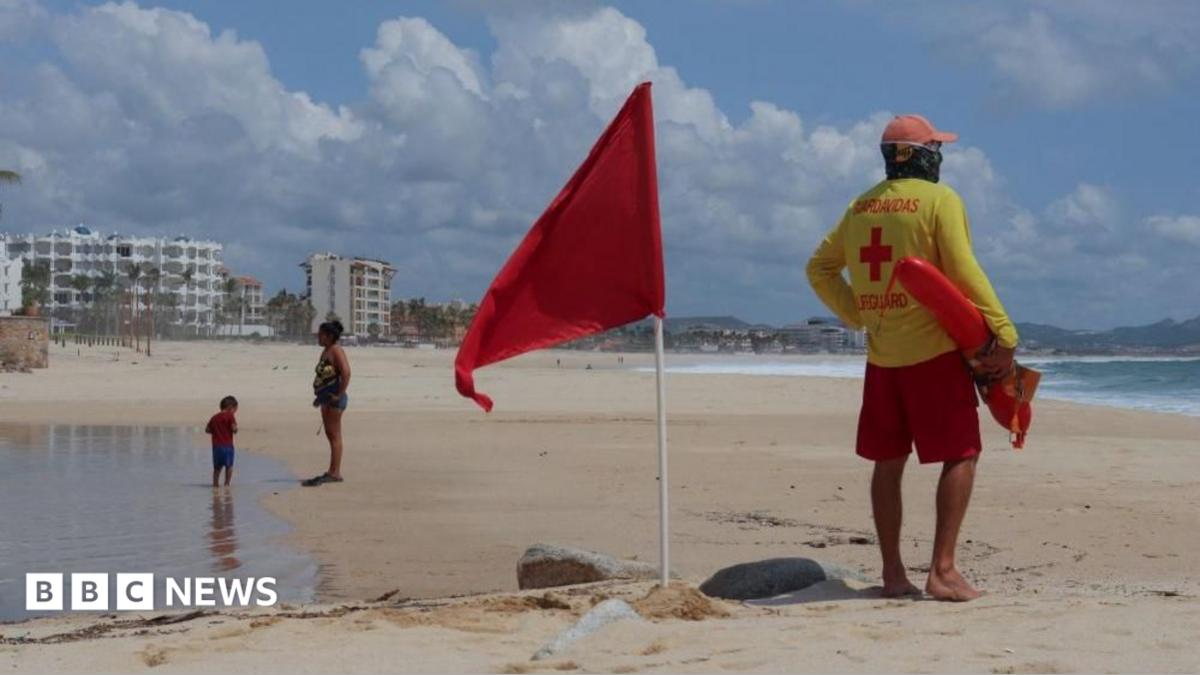
Mexico's northern Pacific coast is on maximum alert as Category-four Hurricane Polo tracks aggressively toward the Baja California Sur peninsula. Federal authorities, in coordination with the National Civil Protection Coordinator and naval commands, have initiated mandatory evacuations across vulnerable coastal settlements and tourist corridors. Meteorological agencies report that the storm packs sustained winds exceeding 215 kilometers per hour, accompanied by torrential rainfall and catastrophic storm surges capable of overwhelming regional flood defenses. State actors at both municipal and federal levels are mobilizing emergency response units, prepositioning heavy rescue equipment, and securing critical public infrastructure ahead of landfall.
The strategic stakes for Mexico's western seaboard are exceptionally high. Baja California Sur serves as a vital demographic, tourism, and logistics hub, bridging mainland industrial centers with crucial maritime checkpoints. The impending impact threatens to paralyze local governance frameworks, strain federal disaster relief funds, and test the resilience of emergency management protocols established in the wake of previous climatic disasters. International monitoring organizations, including the United States National Hurricane Center, are providing continuous satellite telemetry to Mexican authorities to assist in tactical evacuation planning and damage assessment modeling.
Global Trade & Economic Ripples
The trajectory of Hurricane Polo carries immediate ramifications for international trade dynamics and global commodity markets. The storm zone encompasses several key Pacific maritime corridors utilized for bulk carrier transit, container shipping, and coastal freight distribution. Major regional ports, including Manzanillo and Lázaro Cárdenas further south, are closely monitoring sea conditions, with temporary berth closures anticipated to create significant vessel backlogs. These logistical bottlenecks threaten to disrupt North American supply chains, particularly impacting the export of manufactured goods, automotive components, and agricultural products destined for Asian and North American markets.
Furthermore, energy markets are factoring in potential supply disruptions. While Mexico's primary offshore crude production infrastructure is largely concentrated in the Gulf of Mexico, regional refining and distribution networks along the Pacific coast remain vulnerable to prolonged power outages and infrastructure damage. International commodity traders are closely tracking potential price volatility in non-ferrous metals and industrial minerals mined in western Mexico, as transport arteries linking extraction sites to export terminals face imminent closure due to mudslides and washed-out roadways.
Related Intelligence: Foreign Nationals Security Crisis Threatens Pakistan Commercial Confidence
International Reactions & Diplomatic Stances
Global bodies and neighboring governments have expressed profound concern over the escalating humanitarian and economic threat posed by Hurricane Polo. The United Nations Office for the Coordination of Humanitarian Affairs has placed regional disaster assessment teams on standby, offering immediate technical assistance and emergency relief coordination should the Mexican government formally request international aid. Diplomatic missions in Mexico City have issued comprehensive travel advisories, urging foreign nationals to defer non-essential transit to the affected zones and establishing emergency hotlines for stranded tourists.
Market analysts and institutional economists note that while acute weather events typically generate transitory shocks rather than permanent structural shifts, the convergence of Polo with existing supply chain vulnerabilities amplifies short-term price risks. Multilateral development banks are already evaluating preliminary relief credit lines to support post-storm reconstruction efforts, emphasizing the growing financial necessity of climate-resilient infrastructure investments across Latin America's primary trade corridors.
Strategic Outlook & Future Scenarios
As Hurricane Polo makes landfall, the immediate priority remains search-and-rescue operations and the stabilization of critical electrical grids. Over the medium term, the disaster is expected to reignite domestic and international debates regarding climate adaptation strategies, coastal zoning laws, and the hardening of export infrastructure against increasingly intense meteorological phenomena. Upcoming regional economic forums will likely feature heightened discussions on disaster risk financing and supply chain redundancy, as corporations and governments alike reassess their exposure to climate-induced disruptions in the Pacific basin.
Join Our Official WhatsApp Channel
Receive live commodity alerts, policy changes, and commercial intelligence directly on WhatsApp.