
GPS Spoofing Disruptions Threaten Regional Aviation and Trade Stability
Severe GPS signal disruptions across Sialkot and adjacent regions have compromised flight-tracking accuracy, raising urgent concerns for commercial aviation security and regional logistics.
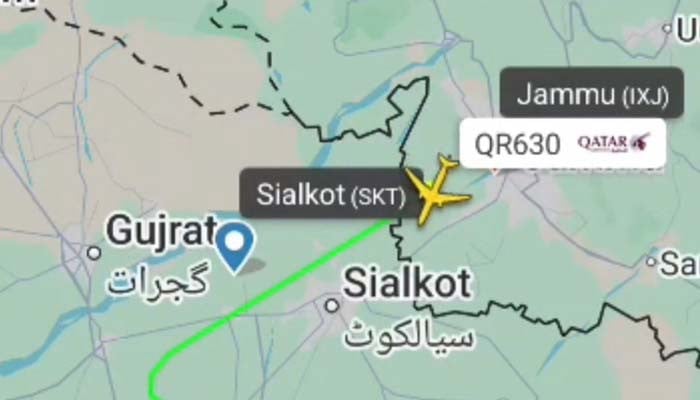
The Core Development
Recent flight-tracking anomalies and severe GPS signal disruptions reported across Sialkot and Indian Illegally Occupied Jammu and Kashmir (IIOJK) have raised alarms within the civil aviation sector. Flight-tracking platforms registered unusual glitches, including erroneous data indicating a Sialkot-bound aircraft appeared to land within IIOJK. These electronic interference patterns coincide directly with escalating electronic warfare and abnormal signal jamming stemming from ongoing conflicts in the Middle East. Aviation experts confirm that spoofing attacks—where false radio frequency signals are transmitted to deceive GPS receivers—have expanded far beyond active combat zones, spilling over into South Asian airspace and threatening civilian navigation integrity.
Commercial & Economic Implications
For commercial enterprises, logistics providers, and wholesale distributors operating out of industrial hubs like Sialkot, secure satellite navigation is indispensable for time-sensitive cargo and export supply chains. Disruptions to precision positioning systems introduce severe risks of transit delays, compromised routing data, and escalated operational costs for freight carriers. While direct impacts on retail pricing remain indirect at this stage, prolonged electronic interference threatens regional trade flows by undermining predictability in supply chain management. Any sustained compromise of cargo tracking infrastructure ultimately feeds into higher shipping insurance premiums and logistical bottlenecks, exerting subtle inflationary pressures on imported raw materials and finished export goods alike.
Related Intelligence: Security Clampdown at Strategic RAF Base Heightens Middle East Tensions
Stakeholder Perspectives & Market Reactions
Industry bodies, logistics associations, and civil aviation authorities have expressed mounting concern over the vulnerability of commercial transport to electronic signal manipulation. Independent aviation analysts and legal experts emphasize that intentional GPS spoofing violates international civil aviation conventions, posing unwarranted hazards to non-combatant aircraft. Stakeholders within Pakistan's trade corridors are calling for heightened vigilance, demanding that national regulatory bodies implement advanced inertial backup systems and encrypted verification protocols to safeguard commercial fleets against escalating electronic interference.
Forward Outlook & Key Watchpoints
As geopolitical conflicts continue to drive electronic warfare innovations, civil aviation authorities must prioritize enhanced signal authentication and resilient navigation frameworks. Key watchpoints for the coming months include the frequency of localized tracking anomalies, potential international regulatory responses through the International Civil Aviation Organization (ICAO), and the deployment of robust anti-spoofing countermeasures by commercial airlines operating through vulnerable airspace corridors.
Join Our Official WhatsApp Channel
Receive live commodity alerts, policy changes, and commercial intelligence directly on WhatsApp.