
UK Leadership Under Andy Burnham Faces Early Economic and Fiscal Tests
Marking three months in Downing Street, Prime Minister Andy Burnham confronts economic constraints and election speculation, impacting British market stability and post-Brexit trade diplomacy.
Geopolitical & Core Developments
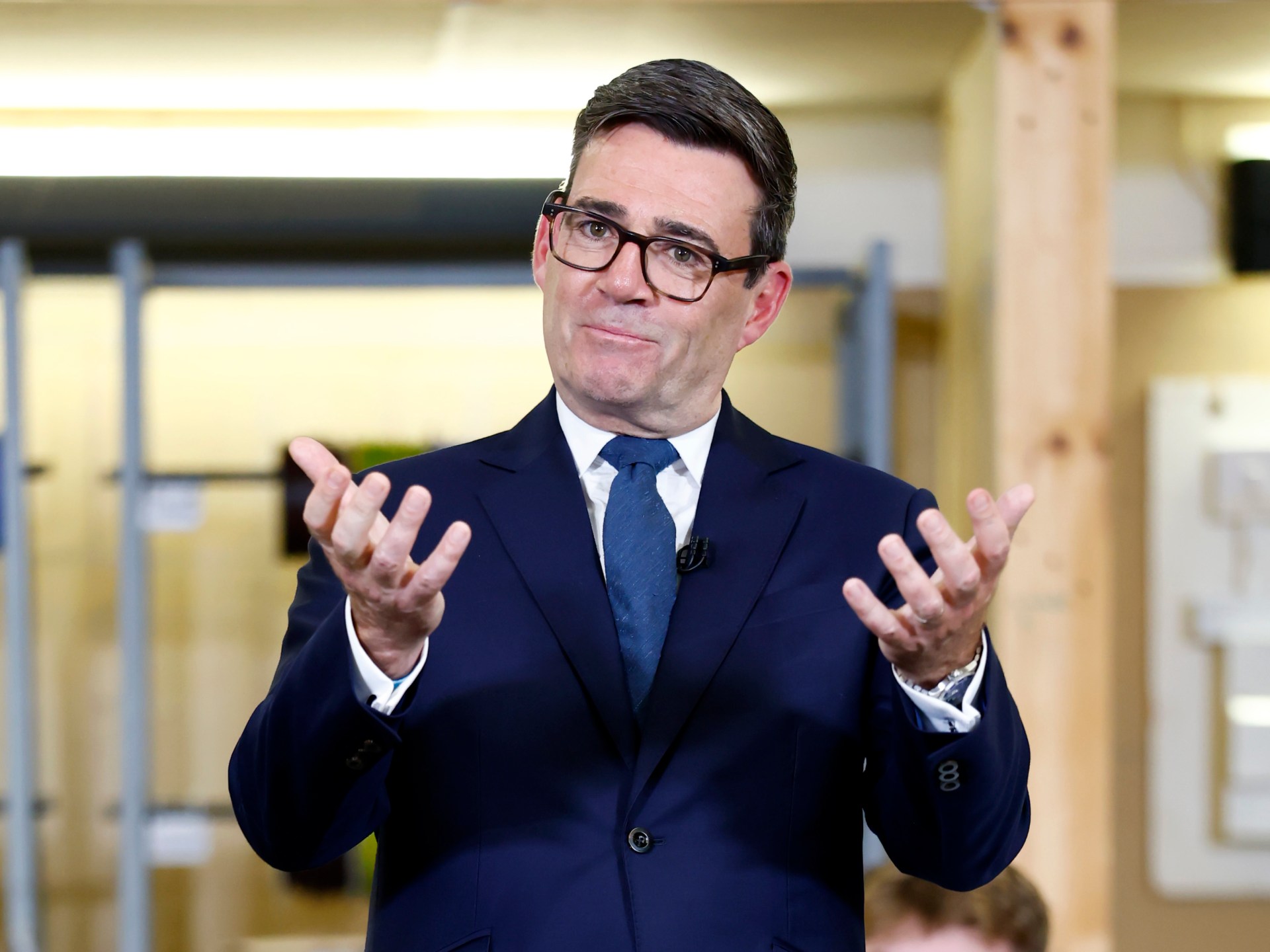
Marking ninety days in office, Prime Minister Andy Burnham faces an intensifying policy dilemma at the helm of the United Kingdom government. Propelled into Downing Street on a platform emphasizing regional revitalization, public infrastructure expansion, and a decisive break from austerity politics, the administration now confronts immediate structural constraints. While personal approval ratings remain relatively resilient, Westminster is increasingly consumed by speculation regarding an early general election to solidify parliamentary authority.
Burnham's rapid political ascent signaled a shift toward decentralization and state-supported capital investment. However, governing without an overwhelming legislative majority has curtailed the execution of his flagship domestic agenda. Diplomatic interlocutors in Brussels, Washington, and across the G7 are closely watching the administration’s internal balancing act. Foreign ministries view the stability of the UK executive as pivotal to ongoing security compacts in Eastern Europe and maritime deterrence coordination across the North Atlantic.
Global Trade & Economic Ripples
The broader economic ramifications of the administration's trajectory are acutely felt across sovereign debt and currency desks. UK gilt yields have exhibited erratic swings as fixed-income traders evaluate the borrowing requirements needed to finance Burnham's public sector commitments. The debt management office faces tight spreads in an environment where the Bank of England maintains elevated benchmark interest rates to suppress residual services inflation.
Sterling has reacted with measured caution, fluctuating against both the US dollar and the euro as market participants weigh domestic growth prospects against fiscal deficits. International logistics firms and industrial commodity importers report that prolonged political ambiguity could dampen capital expenditure across Britain's manufacturing heartlands. Furthermore, corporate entities heavily reliant on cross-Channel trade remain attentive to prospective regulatory realignments. Any shift toward closer harmonized standards with the European Union could reduce non-tariff friction, yet such measures risk internal parliamentary backlash that could trigger immediate political instability.
Related Intelligence: Albania Youth Revolt Escalates Pressuring Prime Minister Edi Rama
International Reactions & Diplomatic Stances
Multilateral institutions and sovereign partners have adopted a pragmatic posture toward Burnham’s tenure. Analysts at major credit rating agencies have reaffirmed the UK's sovereign ratings but warned that any unhedged expansion of debt-to-GDP ratios could prompt outlook downgrades. European Commission officials have informally expressed interest in a more predictable bilateral partnership, especially concerning energy grid integration and cross-border environmental taxation mechanisms.
In Washington, trade officials continue to balance diplomatic solidarity with hard commercial realpolitik. Bilateral discussions on advanced technology transfers, defense procurement under the AUKUS framework, and critical mineral supply chains remain ongoing, though US counterparts privately emphasize that institutional continuity in London is essential for comprehensive multi-year agreements.
Strategic Outlook & Future Scenarios
The medium-term trajectory of the Burnham premiership hinges on the presentation of the forthcoming comprehensive spending review and subsequent legislative votes. If the administration successfully maneuvers its fiscal package through the House of Commons without triggering backbench rebellion, the rationale for an early election may recede, providing a window for macroeconomic consolidation.
Conversely, if parliamentary friction prevents the passage of primary economic legislation, Downing Street may be forced to seek an electoral mandate. Such an outcome would introduce acute short-term volatility to British financial assets, stalling ongoing trade negotiations with India and the Gulf Cooperation Council. The coming quarters will determine whether the administration can institutionalize its programmatic agenda or succumb to the structural market pressures that have challenged successive British prime ministers.
Join Our Official WhatsApp Channel
Receive live commodity alerts, policy changes, and commercial intelligence directly on WhatsApp.