
UK Intelligence Warns of Rising Iranian Threats Against Military Sites
Britain's domestic intelligence agency has warned of expanding Iranian state-backed operations targeting military personnel and infrastructure, reporting 50 arrests over the past year to neutralize hostile activity.
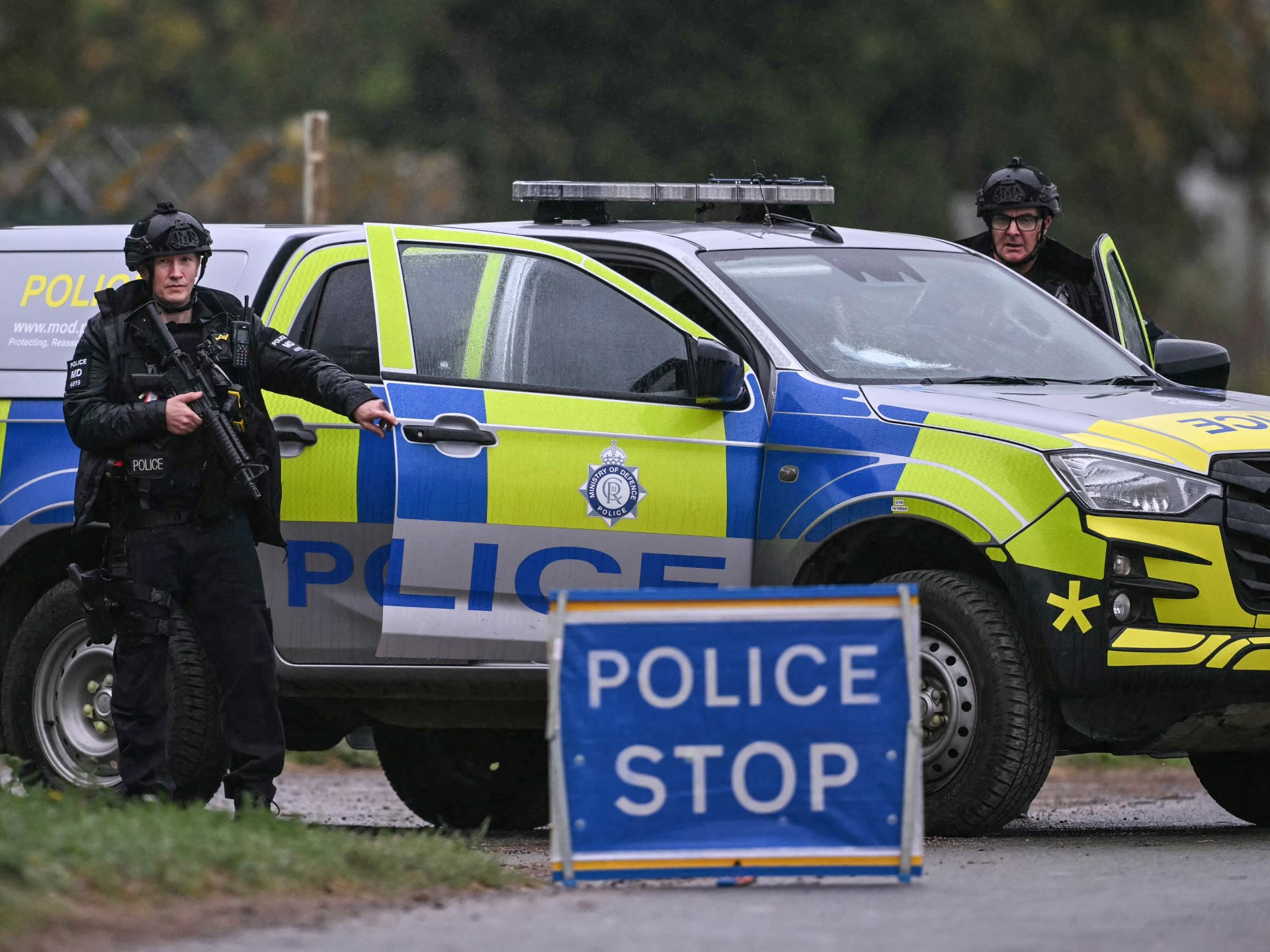
Geopolitical & Core Developments
The Director General of the UK Security Service (MI5) has issued a stern assessment regarding a sharp increase in state-sponsored hostile activity orchestrated by the Islamic Republic of Iran. According to intelligence disclosures, UK security agencies alongside counterterrorism policing units conducted approximately 50 arrests over the preceding twelve-month period to disrupt covert plots linked directly to Tehran. These operations reportedly expanded their focus beyond traditional dissident monitoring to encompass western military installations, defense personnel, and strategic government assets on British soil.
This intelligence warning marks a substantive escalation in the asymmetric confrontation between Tehran and Western nations. British security officials noted that Iran's Islamic Revolutionary Guard Corps (IRGC) has increasingly relied on proxy criminal networks and local operational contractors to execute surveillance, intimidation campaigns, and planned kinetic disruptions. The strategic rationale behind Tehran's posture reflects mounting pressure from domestic economic sanctions, ongoing regional proxy warfare in the Middle East, and expanding military alignments between Iran and external partners such as the Russian Federation. By signaling operational reach within European territory, Iranian strategists seek to establish reciprocal deterrence against Western military maneuvers in the Persian Gulf and Red Sea corridors.
Global Trade & Economic Ripples
While intelligence disclosures center on security and counterterrorism measures, the deepening confrontation between the United Kingdom and Iran carries distinct ramifications for global commodity distribution and maritime logistics. The persistence of state-backed friction increases geopolitical risk premiums across international crude oil markets, particularly for Brent benchmark pricing, as commercial shipping interests monitor vulnerability across the Strait of Hormuz.
Furthermore, heightened security protocols surrounding British logistics hubs and military-industrial facilities impose added compliance and cybersecurity burdens on commercial supply chains. Defense contractors, aerospace supply lines, and energy infrastructure firms operating within the North Sea and domestic UK sectors face intensified monitoring protocols. The expansion of IRGC-linked illicit activity also elevates secondary sanctions risks for international financial institutions and maritime transport carriers, deterring multilateral investment flows and raising marine insurance rates across strategic commercial transit zones.
Related Intelligence: Renewed Yemen Clashes Deepen Humanitarian Crisis and Maritime Supply Chain Risks
International Reactions & Diplomatic Stances
UK government officials have reaffirmed their zero-tolerance framework regarding foreign state aggression, with ministerial figures reiterating parliamentary calls to impose broader diplomatic sanctions and potentially designate the IRGC as a proscribed terrorist entity. Western intelligence counterparts across the Five Eyes alliance and European partners have aligned with London's warnings, sharing operational data on shared proxy threat profiles across continental jurisdictions.
Iranian officials have historically rejected allegations of conducting overseas covert attacks, characterizing Western intelligence disclosures as politically motivated rhetoric aimed at justifying multilateral sanctions. Meanwhile, European Union diplomatic channels remain split between maintaining operational deterrence and preserving narrow avenues for non-proliferation diplomacy regarding Iran's advanced nuclear capabilities, though recent intelligence disclosures have severely constricted the room for diplomatic concession.
Strategic Outlook & Future Scenarios
Moving forward, relations between London and Tehran are anticipated to remain severely strained, with heightened surveillance protocols likely to uncover additional proxy operational cells. The primary escalation scenario centers on prospective British parliamentary action to formally proscribe the IRGC, a move that would trigger reciprocal measures against British diplomatic and military assets throughout the Middle East.
In addition, international coordination between the UK, the United States, and European allies is poised to tighten around maritime enforcement and counter-illicit finance regimes. With regional conflicts in the Levant and the Arabian Peninsula unresolved, Iranian state apparatuses are expected to sustain asymmetrical pressure campaigns. Global commercial operators and energy traders must account for sustained structural volatility, expanded maritime scrutiny, and elevated domestic infrastructure defenses across Western economies in the quarters ahead.
Join Our Official WhatsApp Channel
Receive live commodity alerts, policy changes, and commercial intelligence directly on WhatsApp.