
US Freezes Tech Green-Card Applications Amid Fraud Probe
The US administration has frozen green-card filings for tech giants like Microsoft and Adobe while probing elite universities, intensifying crackdowns on skilled-worker immigration programmes.
The Core Development
The Trump administration enacted a sweeping policy maneuver on Thursday, freezing select green-card applications for major technology conglomerates including Microsoft and Adobe, alongside several prominent IT outsourcing firms. Simultaneously, federal authorities launched formal investigations into nine elite American universities, significantly escalating an aggressive visa crackdown ostensibly designed to curb systemic immigration fraud and protect domestic employment opportunities.
This synchronized federal intervention represents the most expansive punitive action to date against high-skilled worker immigration frameworks. The policy threatens to obstruct traditional pathways to permanent residency for thousands of foreign technology professionals, while delivering a stern regulatory warning to some of the nation's premier academic institutions. The sudden enforcement actions have created immediate operational uncertainty across Silicon Valley and corporate technology campuses nationwide.
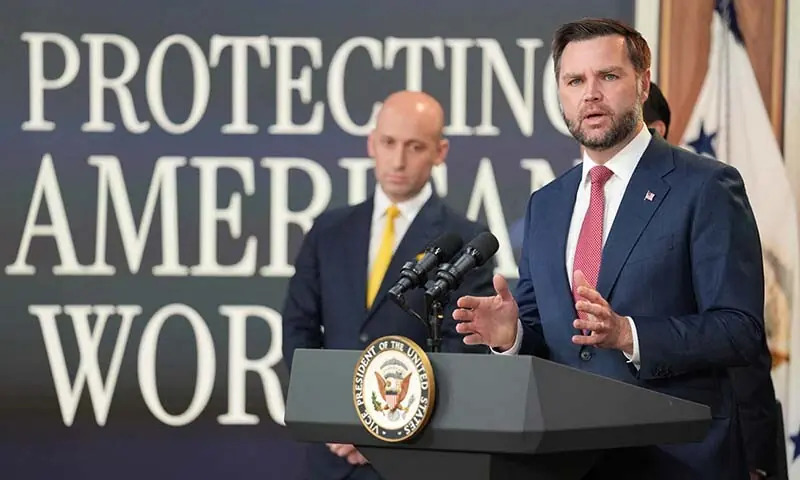
Remarkably, these aggressive measures unfold even as the administration maintains high-level diplomatic and economic engagements with the very technology executives now targeted by federal regulators. Articulating the administration's hardline stance, US Vice President JD Vance singled out corporate practices during a public briefing. Our message to Microsoft is: You are a great American company, but you have got to hire great American workers, Vance stated, adding that no corporate entity in the United States has abused the skilled-worker system more egregiously.
Commercial & Economic Implications
For international markets, particularly within developing tech ecosystems like Pakistan's burgeoning software outsourcing sector, these regulatory shifts carry profound indirect ramifications. Pakistani IT firms and freelance software engineers who frequently collaborate with US-based contractors or aspire to placement within multinational tech giants face heightened administrative hurdles and shifting global talent deployment strategies.
As American technology firms grapple with potential restrictions on foreign talent acquisition, domestic wage pressures within the US tech sector are anticipated to rise, potentially driving up service costs for global clients. Furthermore, wholesale distributors and retail technology suppliers dependent on software ecosystems powered by Microsoft and Adobe could encounter delayed product development cycles and altered enterprise pricing structures. These systemic adjustments risk introducing inflationary ripples across global technology supply chains, impacting downstream enterprise consumers from Karachi to Lahore.
Related Intelligence: US Suspends Major Tech Giants from Green Card Programme
Stakeholder Perspectives & Market Reactions
Corporate responses have been marked by cautious silence and intense legal mobilization. Industry representatives and immigration advocacy groups argue that the sudden freeze threatens American technological competitiveness by restricting access to essential global talent pools. Prominent legal experts note that subjecting elite universities and Fortune 500 tech leaders to concurrent fraud probes signals an unprecedented level of inter-agency scrutiny.
Meanwhile, domestic labor unions and worker protection associations have lauded the administration's resolve, contending that legacy H-1B and green-card sponsorship programs have historically depressed domestic wages and bypassed qualified American applicants. Trader and business associations in emerging markets are closely monitoring these developments, assessing whether restrictive US immigration policies will accelerate the brain drain toward alternative tech hubs in Europe, the Gulf, and Asia.
Forward Outlook & Key Watchpoints
As federal probes into the nine elite universities and corporate green-card sponsors progress, industry stakeholders must prepare for prolonged litigation and stringent compliance audits. The immediate policy horizon will depend on the evidentiary thresholds established by federal investigators and whether the administration expands its freeze to encompass a broader spectrum of corporate sponsors.
Key indicators to monitor include corporate legal filings challenging the administrative freeze, potential legislative interventions from technology-friendly lawmakers, and shifts in corporate recruitment strategies favoring remote, offshore talent models. For international business observers, the trajectory of this crackdown will serve as a critical bellwether for future US economic nationalism and technology sector regulation.
Join Our Official WhatsApp Channel
Receive live commodity alerts, policy changes, and commercial intelligence directly on WhatsApp.