
UK Diplomats Face East Jerusalem Exit Amid Israel Sanctions Row
Israel is forcing the departure of most UK diplomats from its East Jerusalem consulate following London's sanctions on illegal West Bank settlements, though essential consular functions will persist.
Geopolitical & Core Developments
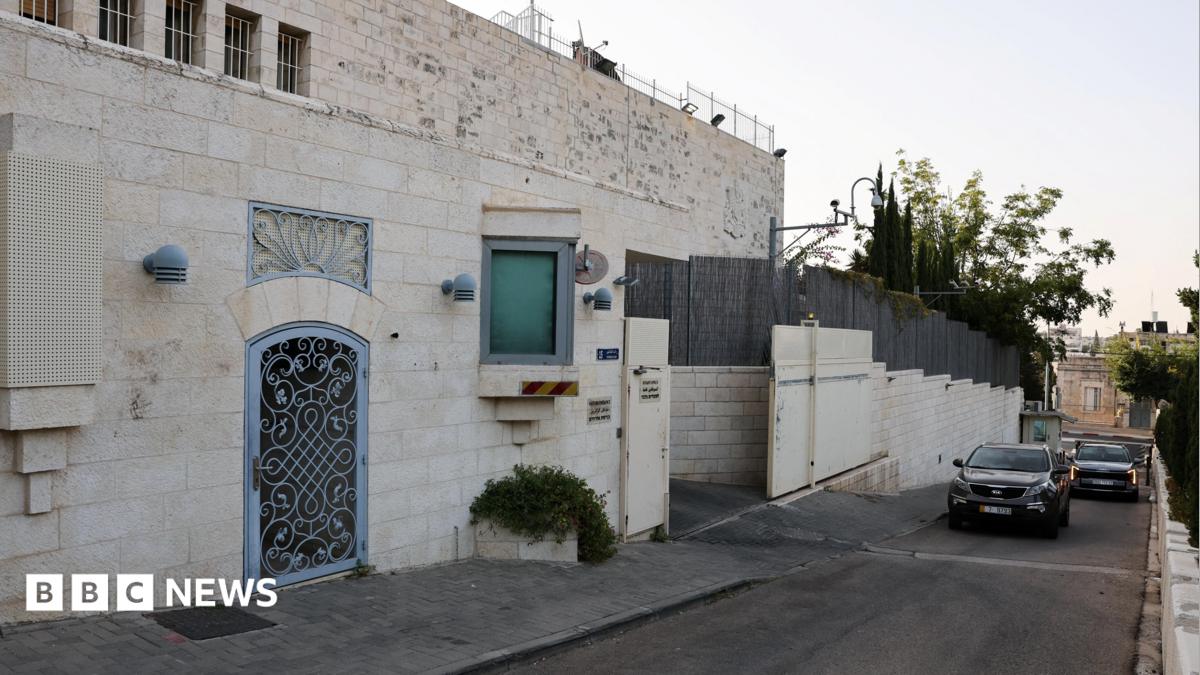
Tensions between London and Jerusalem have escalated significantly following the Israeli government's enforcement directive ordering the departure of the majority of British diplomatic personnel stationed at the East Jerusalem consulate. This diplomatic retrenchment follows retaliatory measures announced by Israeli authorities in September, directly responding to the United Kingdom's imposition of financial and travel sanctions against leaders and entities connected to illegal Israeli settlements in the occupied West Bank. The UK Foreign Office has maintained that while the physical footprint of its diplomatic mission is undergoing forced contraction, essential diplomatic channels and vital services for British nationals in the region will be preserved. This confrontation underscores a deepening chasm between traditional allies over adherence to international law regarding territorial settlements, fundamentally altering the diplomatic architecture governing British representation in the disputed territories.
Global Trade & Economic Ripples
While the immediate crisis is diplomatic in nature, the friction introduces latent risks for bilateral economic exchanges, technology partnerships, and compliance frameworks governing trade between the UK and the Levant. Heightened diplomatic hostility between London and Jerusalem risks complicating regulatory alignments, particularly regarding dual-use technologies, agricultural imports, and specialized manufacturing supply chains. Furthermore, prolonged regional instability in the West Bank and broader Levant region serves to elevate perceived sovereign risk profiles for investors operating in eastern Mediterranean trade corridors. Although direct commodity flows—such as energy shipments and localized mineral exports—remain largely insulated from this specific consular dispute, international commodity traders are monitoring the broader geopolitical fallout. Any escalation that further destabilizes regional stability threatens maritime security in eastern Mediterranean shipping lanes and could exert upward pressure on regional risk premiums.
Related Intelligence: Middle East Redrawn: Three Years That Shattered Global Stability
International Reactions & Diplomatic Stances
International bodies and neighboring states have watched the unfolding diplomatic row with growing apprehension. The United Nations and several European Union member states have expressed concern over actions that impair standard diplomatic functions and consular access in Jerusalem. European capitals have reiterated their stance opposing settlement expansion, viewing London's initial sanctions as a legitimate enforcement of international consensus. Conversely, Israeli defense and foreign ministry officials have defended the expulsion measures as a necessary sovereign response to what they characterize as unwarranted foreign interference in internal security and administrative jurisdictions. Market analysts and geopolitical risk consultancies note that this dispute exemplifies a broader global trend where human rights and settlement sanctions increasingly trigger immediate retaliatory diplomatic friction, complicating multilateral cooperation.
Strategic Outlook & Future Scenarios
Looking ahead, the trajectory of UK-Israel relations hinges heavily on upcoming diplomatic engagements, potential counter-retaliation, and broader Middle Eastern security developments. Should the Israeli administration proceed with further restrictions on foreign diplomatic missions operating in disputed territories, Western governments may face mounting pressure to implement reciprocal measures or enhance diplomatic protections. Upcoming multilateral summits and trade dialogues will serve as critical barometers for whether both nations can compartmentalize their political disagreements or if the diplomatic freeze will widen to encompass broader bilateral frameworks. For international corporations and commodity traders, maintaining flexible supply chain contingencies and robust geopolitical risk monitoring will remain paramount as diplomatic channels in Jerusalem face prolonged disruption.
Join Our Official WhatsApp Channel
Receive live commodity alerts, policy changes, and commercial intelligence directly on WhatsApp.