
UK Blames Iran for RAF Base Incident as Middle East Tensions Spike
UK Prime Minister Burnham has implicated Iran in a security incident at a strategic Royal Air Force base, escalating diplomatic tensions and threatening global commodity supply chains.
Geopolitical & Core Developments
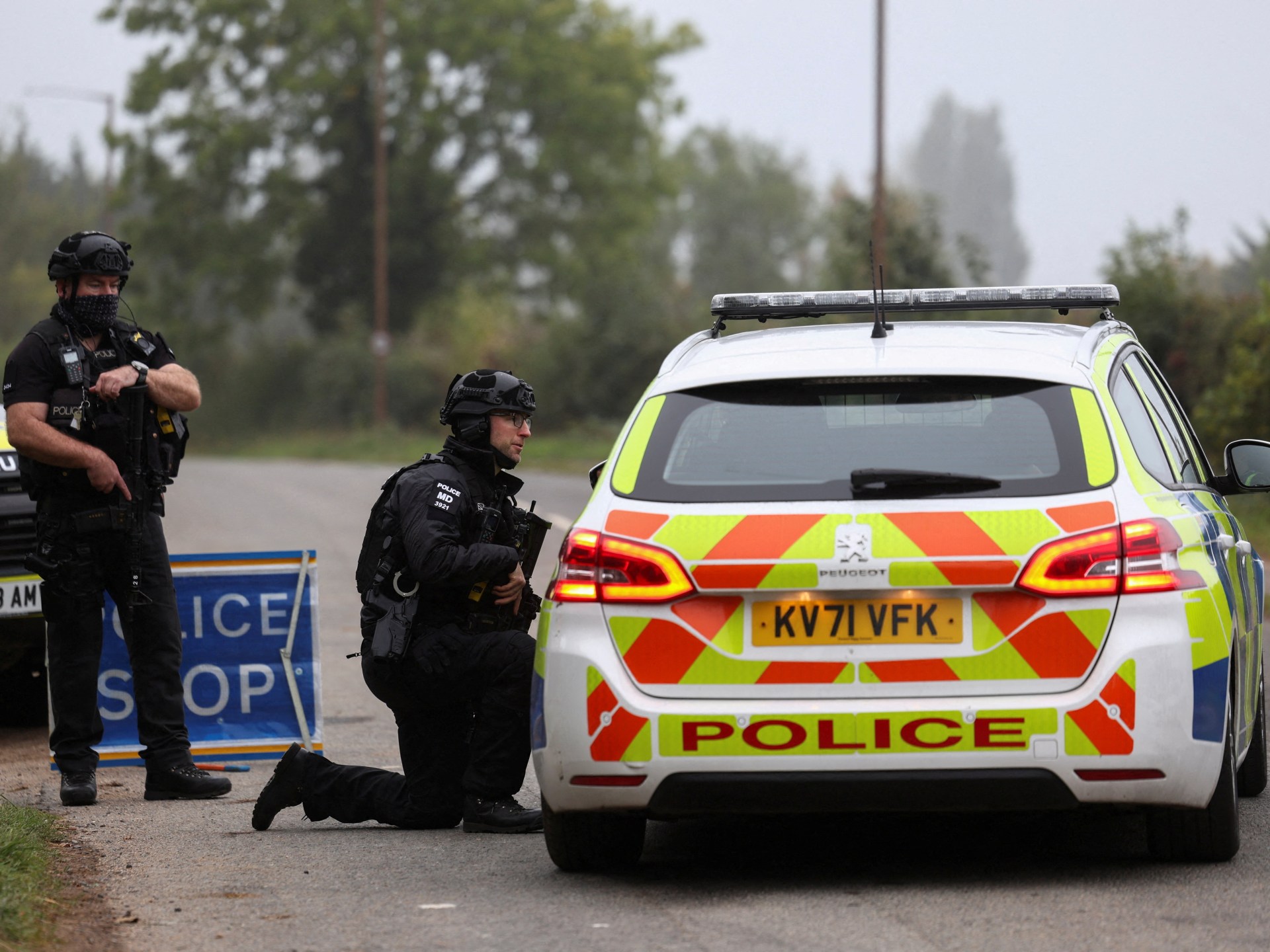
Prime Minister Burnham’s assertion that Iran bears responsibility for the recent security breach at a vital Royal Air Force installation marks a significant escalation in Western-Iranian relations. While specific operational details remain classified, joint intelligence assessments from British, American, and Israeli agencies have converged on attributing the operation to Iranian state-backed proxies. The incident highlights the vulnerability of critical military infrastructure stationed abroad and brings covert regional proxy warfare directly onto British defense properties. Strategic analysts note that this attribution comes at a delicate juncture, as regional friction threatens to spill over into direct kinetic confrontations involving Western military assets.
Global Trade & Economic Ripples
Commodity markets reacted swiftly to the unfolding geopolitical crisis, with Brent crude futures ticking upward amid fears of a wider Middle Eastern conflagration. The security breach at the RAF base serves as a stark reminder of the persistent threats facing key transit routes and military logistics hubs that safeguard international trade. Insurance underwriters are currently recalibrating risk premiums for vessels navigating the Persian Gulf, the Red Sea, and adjacent strategic choke points. Any sustained military escalation or retaliatory economic sanctions could severely disrupt crude oil flows, liquefied natural gas (LNG) shipments, and dry bulk freight pricing, sending inflationary shockwaves through Western economies already grappling with fragile supply chains.
Related Intelligence: Lenacapavir Breakthrough Tests Global Healthcare Equity and Supply Chains
International Reactions & Diplomatic Stances
Official responses from international capitals have underscored deep global anxiety regarding the incident. Washington has expressed full solidarity with London, signaling that any further hostile actions against Western assets will be met with a coordinated diplomatic and economic response. Meanwhile, Israeli defense officials have used the event to reiterate long-standing warnings regarding Tehran's regional destabilization campaigns. Multilateral bodies, including the United Nations, have issued urgent appeals for maximum restraint, warning that miscalculations between heavily armed state actors could precipitate an uncontrolled regional escalation with catastrophic commercial consequences.
Strategic Outlook & Future Scenarios
Looking ahead, the diplomatic fallout is expected to materialize through a new wave of targeted economic sanctions focusing on Iranian shipping networks, financial institutions, and affiliated proxy militias. Upcoming emergency security briefings in Parliament and scheduled G7 ministerial consultations will likely dictate the Western alliance's punitive measures. If intelligence agencies release concrete proof linking Tehran directly to the attack, the pressure for kinetic deterrence or severe diplomatic expulsions will mount substantially. For global markets, this trajectory signals a prolonged period of geopolitical risk pricing, where corporate supply chain managers must continually hedge against sudden supply disruptions and heightened maritime security threats.
Join Our Official WhatsApp Channel
Receive live commodity alerts, policy changes, and commercial intelligence directly on WhatsApp.