
Pakistan Premier Courts Global Giants in London for Direct Investment
Prime Minister Shehbaz Sharif engaged top executives from leading global financial institutions in London, pitching Pakistan's stabilizing economy and investment opportunities.
The Core Development
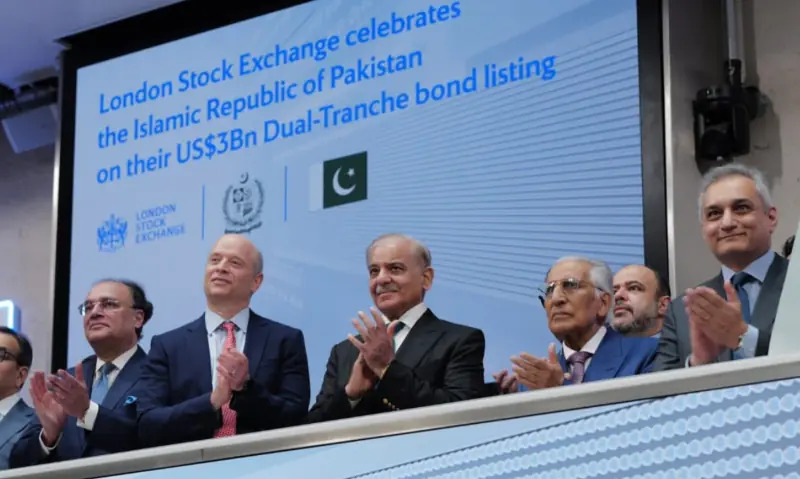
Prime Minister Shehbaz Sharif undertook a high-stakes diplomatic and economic mission in London on Tuesday, holding intensive consultations with senior executives from the world's most prominent financial institutions. During a packed itinerary in the British capital, the premier met with top leadership from Barclays, JP Morgan, Citi, BlackRock, and Rothschild & Co. The engagements formed a centerpiece of Pakistan's ongoing strategy to court foreign direct investment and re-engage international capital markets following a period of severe macroeconomic stabilization under an International Monetary Fund program.
Earlier in the day, Prime Minister Shehbaz achieved a historic milestone by becoming the first-ever sitting Pakistani prime minister to officially open trading at the London Stock Exchange. According to a formal statement released by the Prime Minister's Office (PMO), this unprecedented gesture underscored a concerted effort to project a renewed image of openness, regulatory compliance, and market viability to global institutional investors. In his meeting with a high-level JP Morgan delegation led by Matthieu Wiltz, co-CEO for Europe, Middle East, and Africa, the prime minister explicitly urged the firm to deepen its operational footprint within Pakistan's evolving financial sector.
Commercial & Economic Implications
The high-level diplomatic outreach carries profound ramifications for Pakistan's domestic economy, wholesale markets, and long-term fiscal health. Sustained engagement with tier-one global financial institutions is vital for improving Pakistan's sovereign credit ratings, reducing borrowing costs, and facilitating the smooth issuance of international debt instruments or sovereign bonds. A rehabilitated investment climate directly influences foreign exchange reserves, stabilizing the Pakistani Rupee against major currencies and dampening imported inflation pressures that have historically squeezed retail trade, supply chains, and ordinary consumers.
Furthermore, expanding the presence of global banking giants like Citi and Barclays within the local ecosystem can catalyze technological modernization, enhance liquidity in domestic capital markets, and provide Pakistani enterprises with better access to sophisticated trade finance instruments. For wholesale distributors and import-dependent manufacturing sectors, enhanced confidence from international financiers translates into more reliable Letter of Credit processing, smoother supply chain operations, and a predictable macroeconomic runway for medium-term capital expenditure.
Related Intelligence: PM Shehbaz Courts Global Financial Giants in London to Boost Investment
Stakeholder Perspectives & Market Reactions
The Prime Minister's Office emphasized that these high-level interactions reflect a tangible thawing of international sentiment regarding Pakistan's structural reform trajectory. Business councils and trade associations have cautiously welcomed the overtures, noting that while macroeconomic indicators such as inflation and foreign reserves have shown commendable short-term recovery, sustained capital inflows depend heavily on structural continuity, energy tariff rationalization, and judicial predictability.
Market analysts observe that while international financial institutions appreciate fiscal consolidation milestones, they continue to monitor domestic policy implementation closely. Representatives from institutional funds stressed that translating high-level political invitations into concrete capital deployment requires persistent administrative streamlining, transparent regulatory frameworks, and robust protection for foreign equity holdings.
Forward Outlook & Key Watchpoints
As the government transitions from stabilization to growth-oriented policies, the immediate test will be converting London's boardroom dialogues into binding investment commitments and advisory mandates. Key watchpoints for the upcoming quarters include sovereign credit rating adjustments, the potential execution of international bond issuances, and the formalization of joint ventures between local financial entities and visiting multinational banking giants. Policy enforcement regarding tax transparency and regulatory ease will remain the ultimate litmus test for whether this diplomatic momentum permanently alters Pakistan's foreign investment landscape.
Join Our Official WhatsApp Channel
Receive live commodity alerts, policy changes, and commercial intelligence directly on WhatsApp.