
UAE Alleges Flydubai Co-Pilot Targeted Tel Aviv Airport in Terror Plot
The United Arab Emirates alleges a Flydubai co-pilot radicalized in Australia attempted to crash a commercial airliner into Tel Aviv's airport, escalating regional security concerns.
Geopolitical & Core Developments
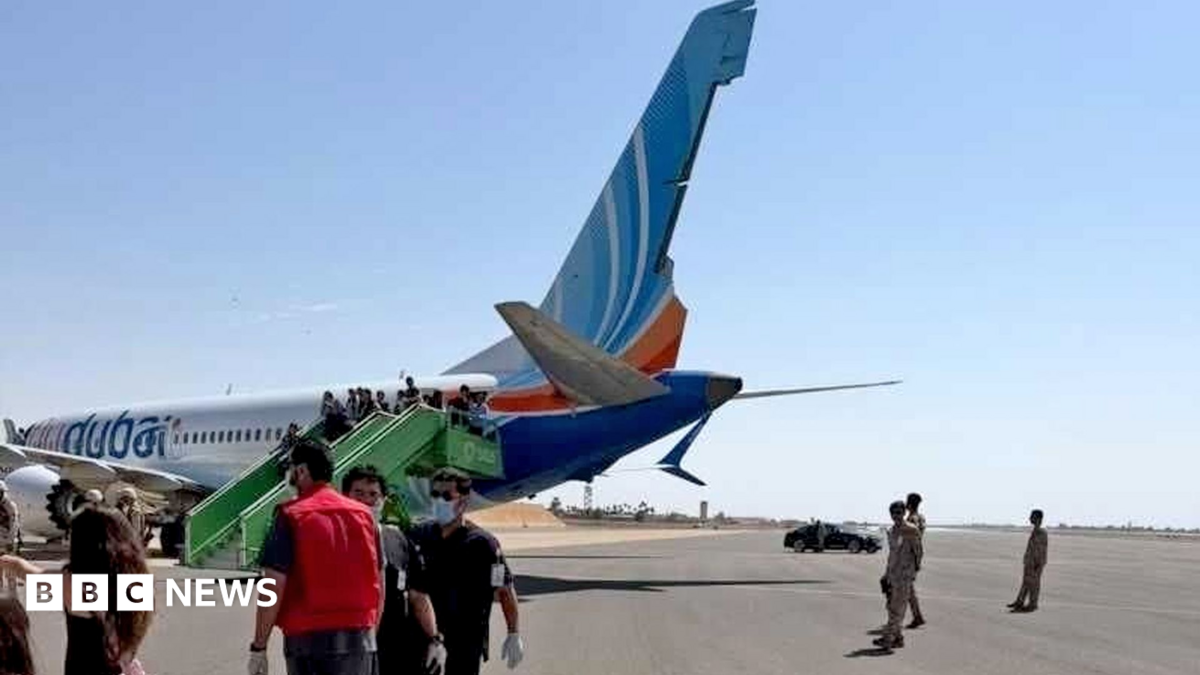
Recent revelations by the United Arab Emirates' attorney-general have exposed a chilling nexus between aviation security and transnational extremism. According to official findings, a Flydubai co-pilot began a calculated drift toward radicalization and terrorism while residing in Australia, culminating in a thwarted plot to deliberately crash a commercial airliner. Emirati investigators disclosed that the primary objective of the thwarted operation was to steer the aircraft directly into Ben Gurion International Airport in Tel Aviv.
This stunning disclosure places the spotlight on intelligence-sharing failures, the vulnerabilities of domestic background screening processes for commercial aviation personnel, and the insidious nature of online and localized radicalization. The timeline provided by UAE authorities indicates that the individual's ideological transformation occurred covertly over several years, evading routine workplace psychological evaluations and security clearances. The choice of Tel Aviv as a target introduces profound geopolitical friction, compounding existing regional tensions and placing diplomatic channels between Middle Eastern states under immediate strain.
Global Trade & Economic Ripples
While the averted disaster did not result in immediate disruptions to physical crude shipments or maritime choke points, the commercial implications for the global aviation and tourism sectors are profound. International air corridors connecting the Gulf Cooperation Council economies with the Levant and broader Mediterranean regions face immediate reassessment. Commercial carriers are already bracing for increased operational expenditures as insurance underwriters re-evaluate risk premiums associated with Middle Eastern flight paths.
Furthermore, the revelation threatens to cast a shadow over post-normalization trade agreements and tourism flows across the region. Global commodity markets, particularly jet fuel futures and aviation equities, have registered cautious volatility as traders factor in potential regulatory tightening. Heightened security checks and mandatory intelligence vetting for cross-border flight crews could introduce structural delays and administrative overheads for major international hubs operating out of Dubai and Abu Dhabi, ripple effects that will ultimately test the resilience of global supply chains for time-sensitive air cargo.
Related Intelligence: Hurricane Isaias Strikes Florida Threatening US Energy and Supply Chains
International Reactions & Diplomatic Stances
Global capitals and multilateral aviation bodies have responded to the UAE attorney-general's announcement with a mixture of alarm and calls for enhanced cooperative security frameworks. The International Civil Aviation Organization (ICAO) has signaled intentions to review global cockpit access protocols and pilot vetting standards in light of the disclosures. Meanwhile, Australian authorities have launched an independent inquiry into how the radicalization process unfolded within their jurisdiction, prompting diplomatic discussions between Canberra and Abu Dhabi regarding intelligence coordination.
Market analysts and security experts note that the incident underscores the persistent threat posed by insider actors within critical infrastructure sectors. Western and Middle Eastern intelligence agencies are currently fast-tracking discussions to establish unified databases for tracking extremist affiliations among transport workers, aiming to preemptively neutralize asymmetric threats to civil aviation.
Strategic Outlook & Future Scenarios
As investigations progress, the geopolitical fallout is expected to influence upcoming regional security summits and bilateral transport agreements. The primary trajectory points toward a permanent tightening of aviation security mandates worldwide, with particular emphasis on psychological monitoring and continuous vetting of flight deck crews. Failure to implement robust, standardized international safeguards could lead to unilateral airspace restrictions or heightened diplomatic friction between states with divergent intelligence priorities.
For commercial operators, the strategic outlook demands agile risk management and increased capital expenditure dedicated to security compliance. Kalyar Traders World Desk will continue to monitor how these developments impact regional stability, aviation equities, and the broader macroeconomic climate governing international trade and transit.
Join Our Official WhatsApp Channel
Receive live commodity alerts, policy changes, and commercial intelligence directly on WhatsApp.