
Flydubai Co-Pilot Plot Exposed Amid Heightened Regional Security Risks
United Arab Emirates authorities revealed that a Flydubai co-pilot plotted an independent suicide attack targeting Israel, raising regional security concerns.
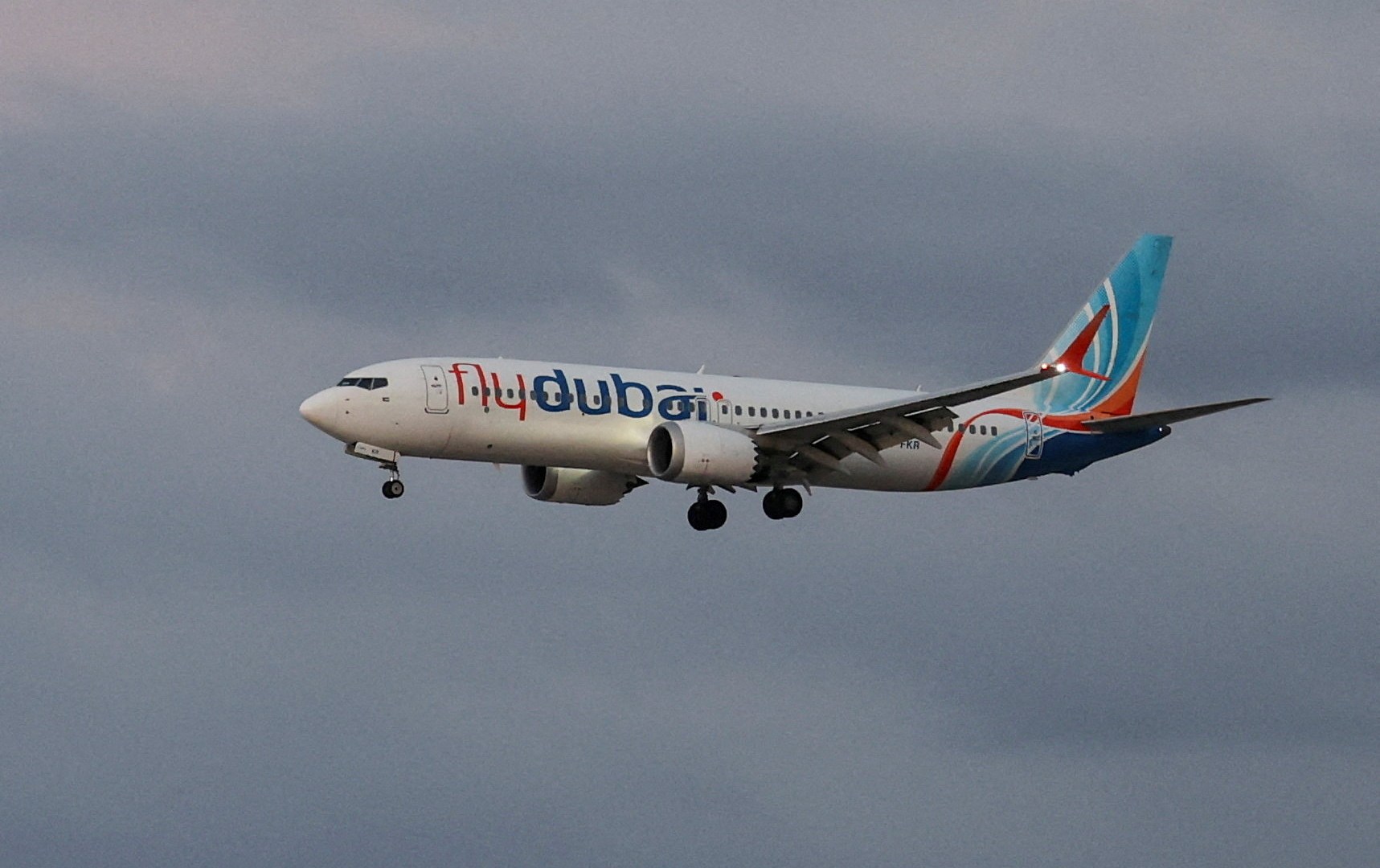
Geopolitical & Core Developments
The geopolitical landscape of the Middle East experienced a sharp jolt following official disclosures by the United Arab Emirates Attorney General regarding an aborted security breach. According to state investigators, a co-pilot employed by regional carrier Flydubai meticulously planned a targeted suicide attack directed at Israel. The suspect, whose identity has been withheld pending final judicial proceedings, reportedly confessed under interrogation to operating entirely as a lone actor. Preliminary findings from the ongoing security probe indicate that the individual underwent a rigorous, self-directed regimen of psychological conditioning and physical preparation designed to execute the strike without raising internal alarms.
This incident shatters the perceived operational insulation of commercial aviation against radicalized insider threats. While state security apparatuses acted swiftly to neutralize the threat before operational phase execution, the disclosure highlights the persistent vulnerability of critical transport infrastructure to asymmetric infiltration. Intelligence sharing among regional partners has intensified as investigators attempt to trace the ideological vectors and digital footprints that enabled the co-pilot's radicalization within a premier commercial aviation environment.
Global Trade & Economic Ripples
The revelation of an insider threat within a major Gulf-based carrier carries immediate ramifications for global aviation, trade logistics, and international commerce. Commercial aviation is a vital artery for global supply chains, passenger mobility, and high-value cargo transport. Disruptions or perceptions of heightened vulnerability in Middle Eastern transit hubs—such as Dubai, a critical nexus connecting East and West—inevitably translate into escalated operational costs.
Global insurance underwriters are already re-evaluating risk premiums for carriers operating within high-tension Middle Eastern corridors. Increased security protocols, mandatory psychological vetting, and enhanced background checks for flight deck crews will likely introduce friction and administrative overhead for commercial airlines. Furthermore, any resultant tightening of airspace management or border restrictions by destination countries risks compounding logistical delays, impacting everything from time-sensitive air cargo to multinational corporate travel.
Related Intelligence: Panama Earthquake Spares Global Maritime Trade As Markets Monitor Supply Chains
International Reactions & Diplomatic Stances
International response to the UAE's transparency has been characterized by cautious solidarity coupled with demands for heightened vigilance. Multilateral aviation bodies, including the International Civil Aviation Organization (ICAO), have initiated informal consultations with regional civil aviation authorities to review baseline security standards for flight deck access and crew vetting.
Western intelligence agencies and foreign ministries have praised the proactive intervention of Emirati security services while expressing renewed concern regarding the phenomenon of self-radicalized operatives within critical infrastructure sectors. Markets and diplomatic channels remain sensitive to how regional governments manage the fallout, particularly regarding the preservation of normalization frameworks and diplomatic corridors established under recent regional accords.
Strategic Outlook & Future Scenarios
Looking ahead, the incident serves as a stark catalyst for sweeping reforms in aviation security architecture worldwide. Regulators are expected to fast-track the integration of biometric monitoring, advanced behavioral analytics, and continuous personnel evaluation frameworks to detect insider threats before operational intent translates into action.
For the commercial aviation sector, the economic burden of these upgraded security mandates will likely accelerate consolidation, favoring larger, well-capitalized carriers capable of absorbing compliance costs. Geopolitically, the episode underscores the fragility of regional stability, reminding policymakers that non-state actors and radicalized individuals remain capable of injecting severe volatility into international relations and global trade routes at a moment's notice.
Join Our Official WhatsApp Channel
Receive live commodity alerts, policy changes, and commercial intelligence directly on WhatsApp.