
Turner Masterpiece Returns to Rome Ahead of Record London Auction
J.M.W. Turner's iconic early nineteenth-century canvas returns to Rome for a rare public exhibition ahead of a major London auction.
Geopolitical & Core Developments
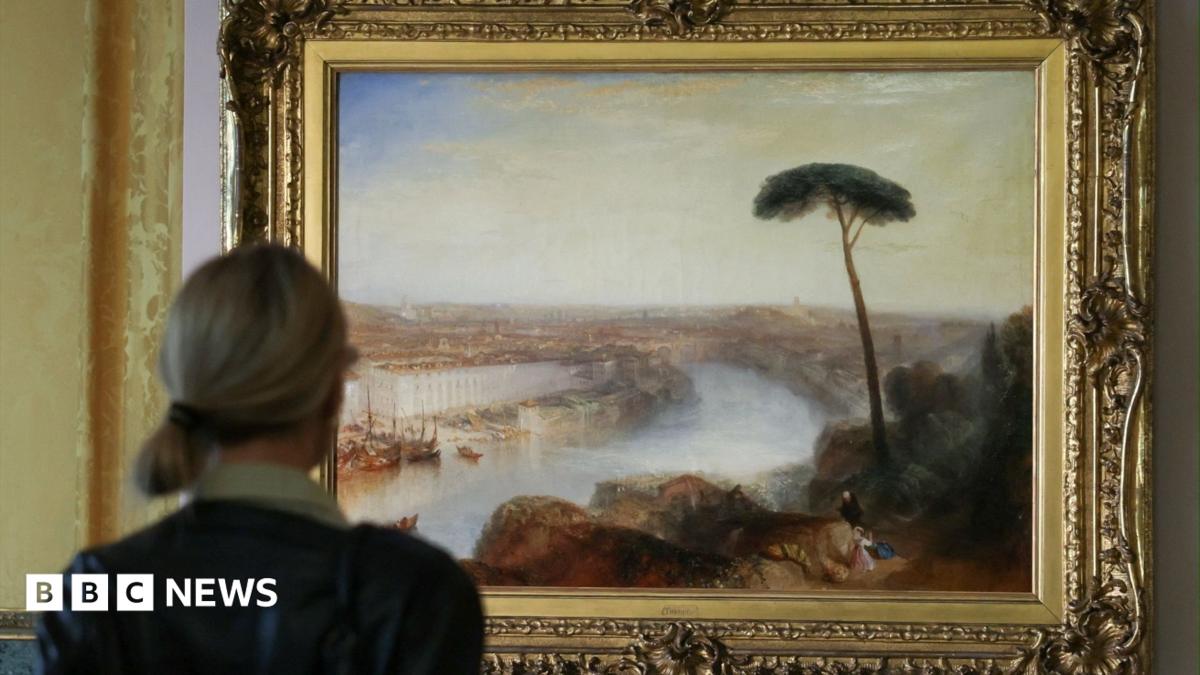
In a landmark cultural event for the international fine art community, J.M.W. Turner's monumental 1835 masterpiece, 'Rome, from Mount Aventine', has returned to the Italian capital for a temporary public exhibition. Valued in excess of fifty million British pounds, the painting is being displayed in Rome for the first time since its creation, offering scholars, diplomats, and art enthusiasts a rare glimpse of a pivotal work before it crosses international borders for a high-profile December auction in London. The exhibition underscores the deep historical and cultural ties binding British artistic heritage with classical Italian iconography, while also highlighting the sophisticated logistical choreography required to transport priceless cultural assets across sovereign jurisdictions.
The painting's journey from private collections back to its geographical inspiration point reflects a broader trend of high-value cultural diplomacy, where institutional lenders and private collectors utilize masterworks to project soft power and foster bilateral cultural engagement. As museum directors and international art handlers oversee the security protocols for the Rome exhibition, the event serves as a reminder of how fine art functions not only as aesthetic expression but as a mobile store of elite global wealth, subject to complex regulatory frameworks, export controls, and international customs oversight.
Global Trade & Economic Ripples
While fine art operates outside traditional commodity markets like energy or agriculture, multi-million-pound auction benchmarks exert significant influence over the broader luxury asset economy and international wealth management sectors. The impending sale of Turner's masterwork in London acts as a primary indicator of liquidity trends among ultra-high-net-worth individuals, family offices, and sovereign wealth funds seeking alternative asset classes amidst macroeconomic volatility and fluctuating fiat currency values. High-tier art market valuations reflect broader confidence in tangible, non-correlated assets, influencing cross-border capital flows between European financial hubs, Asian wealth centers, and North American private collections.
Furthermore, the logistics and insurance industries surrounding the transport and exhibition of a fifty-million-pound painting involve intricate commercial networks spanning multiple jurisdictions. Specialized shipping firms, high-security storage facilities, and multinational insurance underwriters coordinate closely to manage risk profiles, impacting the specialized commercial services sector. The heightened visibility of such transactions stimulates ancillary markets, including high-end tourism, hospitality, and luxury retail within host cities, as international collectors and curators converge for exhibition previews and auction events.
Related Intelligence: وزیراعظم کی لندن میں عالمی مالیاتی اداروں کے حکام سے اہم ملاقاتیں، معاشی استحکام پر غور
International Reactions & Diplomatic Stances
Cultural ministries, municipal authorities in Rome, and international art historians have lauded the exhibition as a triumph of transnational cultural collaboration. Italian heritage officials emphasized the educational and diplomatic value of returning such a definitive rendering of the Roman skyline to its point of origin, even temporarily. Meanwhile, major auction houses and market analysts view the upcoming London sale as a critical bellwether for the resilience of the global art market following periods of tighter monetary policy and shifting macroeconomic indicators across Western economies.
Multilateral bodies such as UNESCO continue to monitor the cross-border movement of premier cultural artifacts, emphasizing the importance of provenance research, legal transparency, and the protection of heritage assets. Market commentators note that institutional interest and private bidding competition for museum-quality masterpieces remain robust, driven by institutional diversification strategies and the enduring prestige associated with owning foundational works of nineteenth-century Romanticism.
Strategic Outlook & Future Scenarios
As the exhibition concludes in Rome and the canvas is prepared for its transit to London ahead of the December auction, market participants are closely analyzing potential price realizations and bidder demographics. The outcome of the sale will likely set a benchmark for future transactions involving top-tier historical masterworks, influencing valuation models across the global secondary art market for the coming fiscal year.
Looking ahead, the increasing financialization of elite art assets suggests that future exhibitions of this magnitude will continue to serve dual roles as cultural celebrations and strategic market tests. As regulatory scrutiny on cross-border capital movements tightens globally, the provenance, transparency, and logistical security surrounding multi-million-pound auctions will remain central to the sustained health of the international art trade.
Join Our Official WhatsApp Channel
Receive live commodity alerts, policy changes, and commercial intelligence directly on WhatsApp.