
Egypt Rests Salah for South Sudan Clash Over Turf Safety
The Egyptian Football Association has chosen to rest Mohamed Salah for an AFCON qualifier in South Sudan to prevent potential injuries on artificial turf, balancing competitive aspirations with elite asset management.
Geopolitical & Core Developments
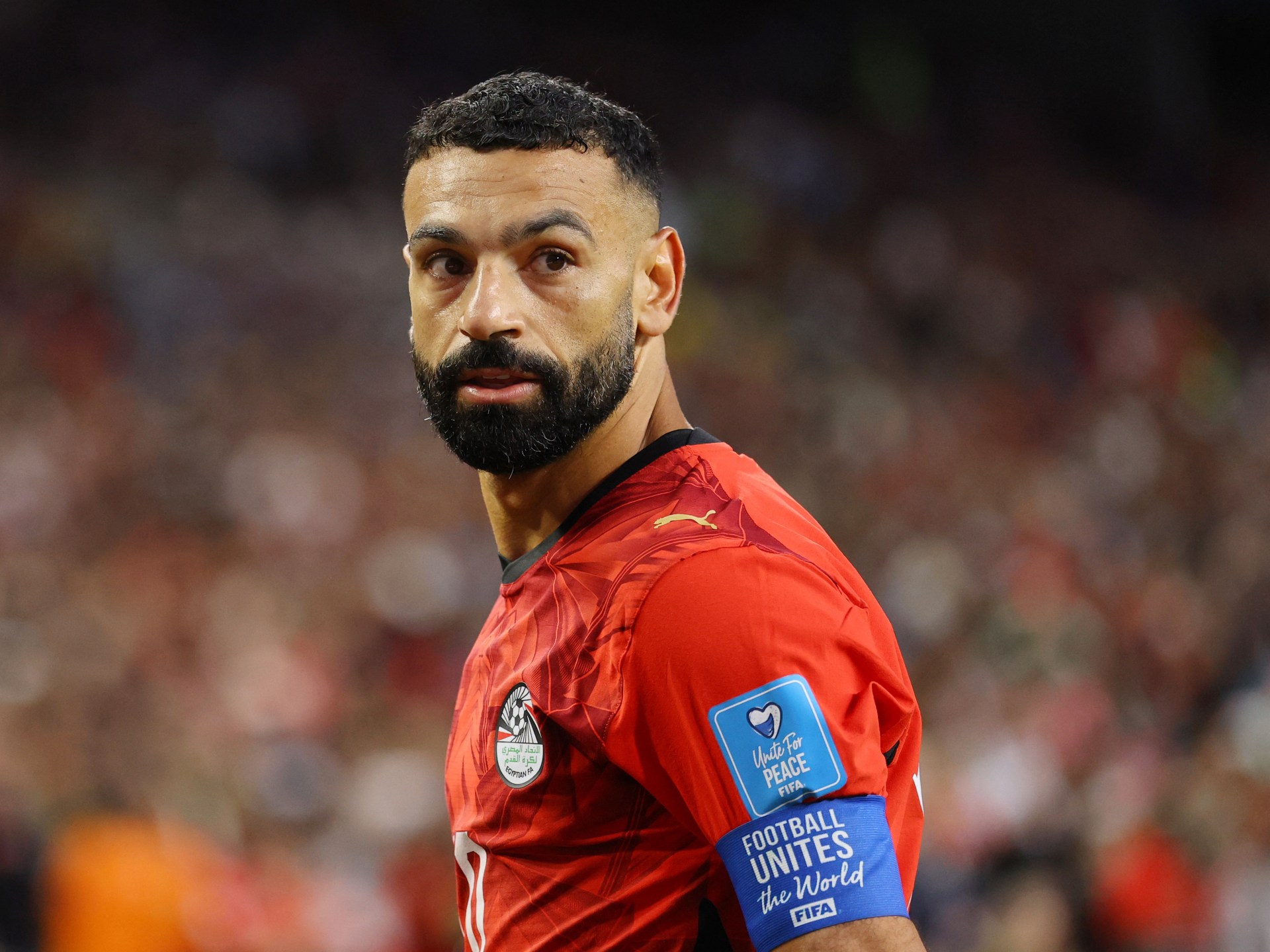
The Egyptian Football Association (EFA) has officially announced a high-stakes strategic decision to rest national team captain and Liverpool talisman Mohamed Salah for the upcoming Africa Cup of Nations (AFCON) qualification fixture against South Sudan. The move, orchestrated in close coordination with the national team's technical staff and medical directorate, is designed to safeguard the player from the documented physiological hazards associated with substandard or high-friction artificial playing surfaces.
While sporting fixtures between neighboring African nations frequently carry profound diplomatic resonance and regional prestige, the EFA’s calculus has prioritized long-term athletic preservation over immediate tournament dominance. South Sudan's sporting infrastructure, heavily constrained by historical conflict and ongoing economic underdevelopment, often relies on synthetic turf installations that fail to meet elite biomechanical safety standards. By benching its most influential diplomatic and athletic asset, Cairo is signaling a zero-tolerance approach toward avoidable workplace hazards for premier global athletes, setting a precedent for how continental federations manage prized sporting capital.
Global Trade & Economic Ripples
At first glance, a squad rotation for a regional football qualifier appears isolated from macroeconomic forces; however, the modern sports economy functions as an interconnected global marketplace where human capital represents multi-million-dollar corporate assets. Mohamed Salah is not merely a national team captain; he is a cornerstone asset for Liverpool FC in the English Premier League, a multi-national commercial brand, and a pivotal driver of regional tourism and broadcast rights valuations across the Middle East and North Africa (MENA) zone.
Any catastrophic injury sustained on a substandard pitch in Juba would immediately trigger severe economic ramifications across global sports markets. Insurance underwriters, Premier League broadcasting valuations, merchandise revenues, and sponsorship portfolios tied to both Salah’s personal brand and his club would face immediate downward pressure. Consequently, the EFA’s decision to mitigate commercial risk acts as a protective shield for international sports commerce, ensuring that high-value sporting commodities remain insulated from regional infrastructural deficits.
Related Intelligence: Iran Halts Direct US Diplomacy Amid Deepening Middle East Tensions
International Reactions & Diplomatic Stances
International sports administrators, player unions, and global medical bodies have responded with quiet approval to Egypt's preventative stance. Organizations such as FIFPRO, the global representative body for professional footballers, have long campaigned against the proliferation of substandard artificial turfs in international competition, citing elevated risks of ligament tears and chronic joint trauma.
Regional media outlets across the African continent have framed the decision through a dual lens: while some local fans in South Sudan express disappointment at missing the opportunity to witness one of the world's finest players live, geopolitical analysts and sports economists view the move as a mature, pragmatic evolution in African football governance. It underscores a growing professionalization where player welfare supersedes unyielding political pressure to field optimal lineups at all costs.
Strategic Outlook & Future Scenarios
As African football continues to commercialize and attract unprecedented foreign investment, infrastructural disparities between nations will remain a central point of contention for continental governing bodies like the Confederation of African Football (CAF). The incident in South Sudan highlights an urgent need for multilateral infrastructure funding and stricter venue homologation standards.
Looking ahead, national federations are expected to increasingly adopt algorithmic workload management and risk-assessment models before deploying elite talent into challenging environments. For Egypt, successfully navigating the South Sudan fixture without its captain will test the depth of its squad while establishing a rigorous blueprint for player protection in future international tournament cycles.
Join Our Official WhatsApp Channel
Receive live commodity alerts, policy changes, and commercial intelligence directly on WhatsApp.