
Turkish Artisanal Metallurgy Pivots to Global Creative Markets Amid Economic Shifts
Turkey's historic blacksmithing sector is finding commercial resilience through international cross-border trade in bespoke fantasy and heritage metalwork, mitigating domestic inflation while navigating volatile global steel and energy input costs.
Geopolitical & Core Developments
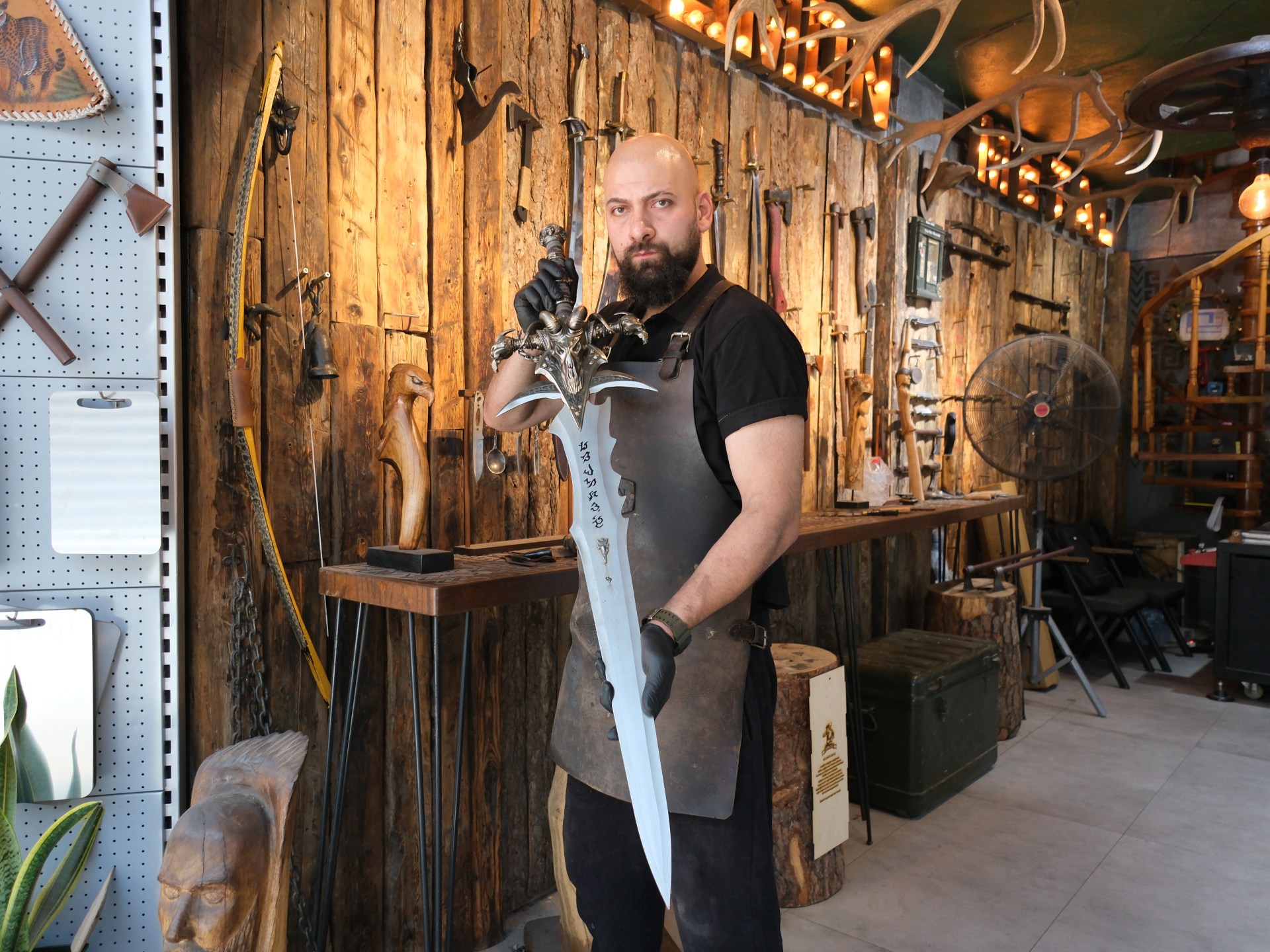
In the historic corridors of Kemeralti, one of the world's oldest continuously operating open-air commercial centers located in Izmir, Turkey, traditional manufacturing trades are confronting significant structural realignment. For generations, master blacksmiths, such as the Akdemir family now in their fourth generation of continuous operation, sustained their industrial existence through domestic agricultural implements, architectural ironwork, and localized utilitarian goods. However, sustained domestic macroeconomic turbulence, driven by entrenched inflation and long-term currency depreciation, has severely eroded conventional domestic margins and domestic purchasing power.
In response, master artisans have executed a strategic commercial pivot, redirecting classical Anatolian forging skills toward bespoke weaponry, cinematic props, and high-end collectible arms destined for international consumers and fantasy enthusiasts. This operational shift reflects a wider geopolitical and cultural phenomenon: the adaptation of peripheral artisanal economies into high-value contributors to Western entertainment supply chains. By establishing direct-to-consumer digital export models, these micro-enterprises maintain ancestral metallurgical traditions while transitioning their core revenue foundations from a vulnerable domestic retail environment into stable, foreign-denominated commercial streams.
Global Trade & Economic Ripples
The commercial revitalization of Kemeralti's forge trade intersects with shifting dynamics in global specialty metals and international micro-logistics. Artisanal fabrication remains dependent on dependable access to specific commodity inputs, including high-carbon spring steels, refined tool alloys, and metallurgical coke. While broad industrial steel producers grapple with volatile energy tariffs and fluctuating European demand, small-scale specialty fabricators absorb higher input costs through exceptional product value-add, demanding retail markups that mass-manufactured imports cannot command.
Simultaneously, the prolonged weakness of the Turkish lira provides a substantial pricing advantage on the international stage. Labor-intensive handwork that has become cost-prohibitive in Western Europe and North America remains highly cost-competitive when exported from Turkey. Integrated international courier networks operating out of the Aegean transport hub of Izmir facilitate frictionless parcel dispatch directly to end-buyers across the Atlantic and European single markets. This decentralized supply model successfully bypasses conventional import distributors, providing small-batch manufacturers an alternative route to survive against mass-market decorative metal manufacturers based in East Asia.
Related Intelligence: Kohat Police Lines Attack Leaves 21 Dead, Threatening Regional Trade Stability
International Reactions & Diplomatic Stances
The intersection of cultural preservation and economic viability has drawn sustained analysis from international cultural organizations and domestic industry regulators. The United Nations Educational, Scientific and Cultural Organization (UNESCO) has long highlighted the vulnerability of historic crafts, warning that industrial automation and demographic shifts frequently dismantle intangible cultural heritage and ancestral fabrication knowledge.
Within Turkey, the Ministry of Culture and Tourism, alongside regional chambers of commerce, has emphasized the necessity of sustaining historic bazaar ecosystems, which serve as foundational pillars of regional trade identity and cultural diplomacy. Historically linked to the medieval Anatolian Ahilik trade-guild framework—which integrated vocational ethics with economic security—the adaptation of historic craft techniques to modern international markets is viewed by multilateral economic observers as a sustainable case study. Policy analysts note that enabling cross-border e-commerce for specialized crafts provides a blueprint for traditional craft sectors across developing economies seeking to protect technical heritage without permanent state subsidies.
Strategic Outlook & Future Scenarios
The long-term trajectory of specialized artisanal metalwork will depend heavily on overcoming demographic constraints and navigating evolving global trade frameworks. The primary internal vulnerability remains generational succession. Despite robust international demand and foreign-currency profitability, attracting younger cohorts to physically intensive, high-temperature forge labor remains difficult amid the rapid expansion of digital service professions.
Externally, emerging non-tariff regulatory frameworks pose potential challenges. As jurisdictions like the European Union implement rigorous environmental and supply-chain reporting standards, including carbon accounting mechanisms, small-scale independent producers must ensure continued access to international markets without bearing disproportionate bureaucratic burdens. Nevertheless, as Western entertainment industries and consumer subcultures continue to value authentic, hand-forged physical artifacts over synthetic or digital alternatives, Izmir's master blacksmiths are well-positioned to maintain viable, hard-currency export corridors, proving that localized cultural heritage can achieve enduring commercial relevance in an integrated global economy.
Join Our Official WhatsApp Channel
Receive live commodity alerts, policy changes, and commercial intelligence directly on WhatsApp.