
Kohat Police Lines Attack Leaves 21 Dead, Threatening Regional Trade Stability
A coordinated suicide car bombing and militant assault on Kohat Police Lines claimed 21 lives and injured over 80, prompting emergency security measures that threaten transport corridors and regional commercial trade.
The Core Development
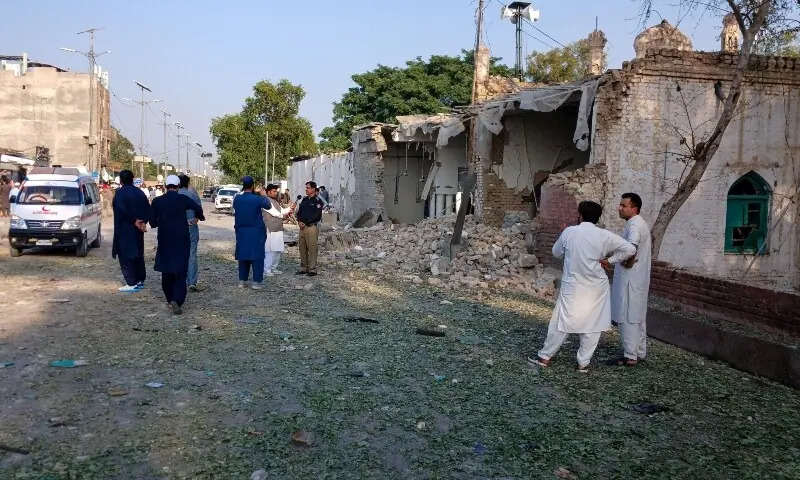
A coordinated terrorist attack struck the Kohat Police Lines compound in Khyber Pakhtunkhwa on Friday, resulting in the martyrdom of at least 21 people, including 15 police personnel, and leaving more than 80 others injured. According to senior security and district health officials, the assault commenced when a vehicle-borne suicide bomber detonated an explosives-laden car at the primary perimeter gate near an on-site mosque.
District Health Officer Dr. Nasir Hassan Afridi confirmed the casualty figures, noting that emergency wards were placed on red alert, with at least three victims in critical condition undergoing emergency surgical interventions. Broadcast footage showed severe structural devastation, including the collapse of residential walls and office structures, as local residents and first responders sifted through debris to extract survivors.
Khyber Pakhtunkhwa Inspector General of Police Zulfiqar Hameed verified that the vehicular blast was immediately followed by a multi-pronged armed infiltration. Several heavily armed assailants attempted to storm the provincial Counter Terrorism Department (CTD) facility situated within the police complex. Law enforcement personnel and rapid-response units engaged the militants in an intensive firefight, successfully neutralizing the primary assault group before they could penetrate deeper administrative quarters. Secondary clearing operations were subsequently initiated across the surrounding perimeter to eliminate residual threats.
Commercial & Economic Implications
While the assault represents a severe security breach, the commercial fallout extends deeply into regional supply chains and retail markets across Khyber Pakhtunkhwa. Kohat occupies a critical logistical juncture, anchoring the N-55 Indus Highway, which serves as the primary alternate freight artery connecting Karachi and southern production hubs to Peshawar, the merged tribal districts, and bilateral transit corridors leading toward Afghanistan.
In the immediate aftermath of the explosion, security forces instituted aggressive cordons, multi-tiered vehicle checkpoints, and transit restrictions across southern KP. Inter-district cargo movements experienced abrupt stoppages, generating operational backlogs for wholesale distributors handling essential commodities, including wheat flour, edible oil, building materials, and fast-moving consumer goods.
For retail and wholesale operators, heightened security protocols translate directly into escalating operational frictions. Logistics providers face augmented transit times, increased driver risk premia, and climbing transport insurance liabilities. In local markets within Kohat, Bannu, and Karak, commercial footfall plunged as retail districts shuttered early amid fears of secondary strikes, constricting daily commercial turnover and depressing retail earnings.
Related Intelligence: Macron Warns of Escalating Russian Hybrid Warfare Against Critical Infrastructure
Stakeholder Perspectives & Market Reactions
The tragedy elicited severe condemnation from trade syndicates, business federations, and public officials across the country. Provincial trade associations expressed deep sorrow over the loss of law enforcement officers while voicing mounting apprehension regarding the deteriorating security environment in KP's southern belt. Commercial leaders reiterated that sustained trade activity relies fundamentally on administrative security and predictable freight corridors.
The Goods Transport Association underscored that prolonged highway disruptions and heightened surveillance checkpoints risk stalling supply distribution networks into regional wholesale markets. Transporters urged federal and provincial authorities to establish hardened convoy protocols rather than imposing uncoordinated logistical closures.
Concurrently, national security officials and provincial administrators held emergency cabinet sessions, reiterating an uncompromising commitment to eliminating militant networks. Economists and policy analysts warned that recurrent security crises in Khyber Pakhtunkhwa will further deter foreign direct investment and escalate provincial fiscal burdens, diverting scarce capital from economic development toward internal security expenditures.
Forward Outlook & Key Watchpoints
Over the coming days, law enforcement agencies are anticipated to widen intelligence-based operations across the Kohat division, Kurram, and neighboring border regions to dismantle facilitation networks. Heightened security cordons around critical infrastructure, law enforcement installations, and transit corridors will remain operational for the foreseeable future.
Business stakeholders and wholesale traders must monitor freight transit schedules along the N-55 highway corridor closely as authorities recalibrate transport clearance procedures. The federal and provincial governments face intensified pressure to formulate a resilient border and transit protection framework to insulate commercial distribution networks from volatile security environments. Sustained economic resilience in the region remains contingent upon rapid stabilization and the restoration of business confidence across Khyber Pakhtunkhwa's transport channels.
Join Our Official WhatsApp Channel
Receive live commodity alerts, policy changes, and commercial intelligence directly on WhatsApp.