
Iran Flight Bans Trigger Regional Escalation and Supply Chain Risks
Tensions mount across the South Caucasus and Middle East as flight suspensions and Iranian threats of retaliation over US sanctions disrupt vital regional corridors and commodity supply chains.
Geopolitical & Core Developments
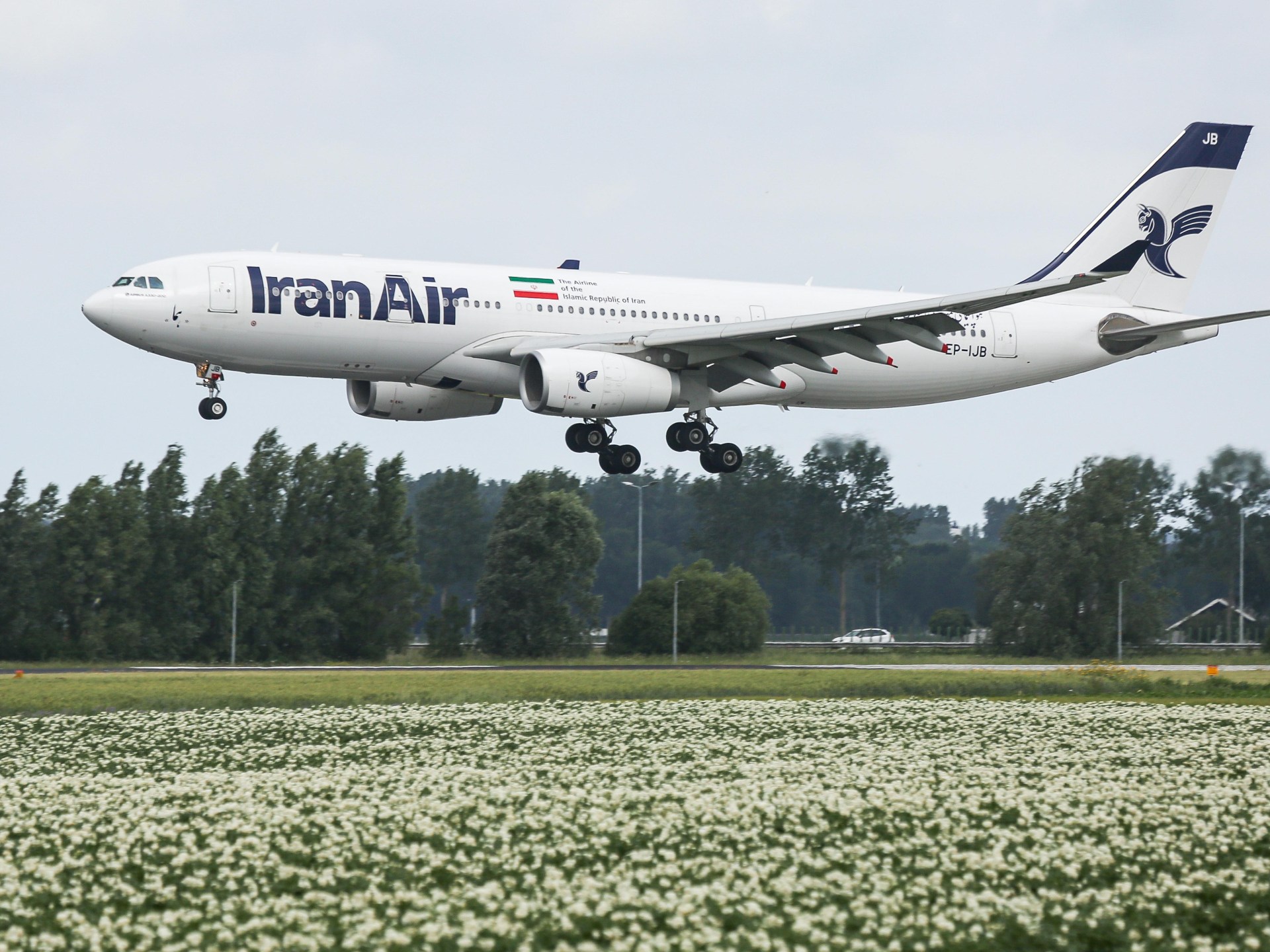
The geopolitical fault lines running between Tehran, Washington, and the South Caucasus have deepened following decisions by Georgia and Azerbaijan to suspend commercial flights operated by Iranian carriers. The regulatory clampdown is a direct consequence of sweeping new United States financial and aviation sanctions designed to isolate Iran’s civil aviation network, which Washington alleges has been utilized for illicit military transfers and the projection of regional proxy influence. In response to the airspace restrictions, senior Iranian military and diplomatic officials have issued stern warnings, hinting at potential retaliatory measures directed against regional aviation infrastructure and transit hubs. This rhetorical escalation has transformed a standard regulatory dispute into a high-stakes security crisis, drawing in neighboring states that find themselves caught between compliance with Western sanctions and the risk of direct Iranian economic or physical retaliation. The strategic stakes are particularly high for small Caucasus nations that rely heavily on balanced diplomacy with both their powerful southern neighbor and Western powers.
Global Trade & Economic Ripples
The friction over regional airspace carries immediate consequences for global trade, commodity logistics, and Eurasian supply chains. The South Caucasus serves as a critical bridge for multi-modal transport corridors connecting Central Asia, the Caspian basin, and Europe, bypassing traditional northern routes through Russia. Any physical disruption to regional airports or ground transit networks threatens to drive up insurance premiums for cargo carriers operating near the Iranian periphery. Furthermore, energy markets are monitoring the situation closely; while direct crude flows from the Caspian remain secure, heightened security postures across regional transit nodes introduce logistical bottlenecks that can inflate shipping costs. Commodity traders dealing in regional agricultural goods, metals, and industrial inputs are factoring in increased geopolitical risk premiums, complicating commercial planning as freight forwarders seek alternative routing to avoid potential conflict zones.
Related Intelligence: Sri Lanka 2019 Bombings Verdict Leaves Deep Political and Economic Scars
International Reactions & Diplomatic Stances
International bodies and diplomatic missions have responded with cautious alarm, urging immediate de-escalation and strict adherence to international civil aviation standards. Western capitals have defended the sanctions as a necessary tool to curb proliferation financing and disrupt destabilizing regional networks, insisting that sovereign nations retain the right to regulate their national airspace. Conversely, Tehran has condemned the restrictions as economically coercive and politically motivated, arguing that neighboring states are yielding to unwarranted American pressure at the expense of regional cooperation. Multilateral observers note that the hardening of positions leaves little room for immediate diplomatic compromise, raising concerns that secondary economic fallout could spread to banking and maritime sectors across the broader Caspian and Middle Eastern regions.
Strategic Outlook & Future Scenarios
Looking ahead, the trajectory of this crisis will depend on whether Tehran operationalizes its threats against regional infrastructure or opts for asymmetric diplomatic and economic pressure. Analysts suggest that upcoming international transport summits and bilateral negotiations between Tehran and Caucasus capitals will serve as critical barometers for potential de-escalation. If sanctions enforcement intensifies and Iranian retaliatory rhetoric translates into physical security incidents, international carriers may permanently reroute flights, permanently altering Eurasian transit economics. Conversely, a negotiated resumption of limited technical aviation cooperation could help stabilize regional tensions, though the underlying structural conflict between Western sanctions policy and Iranian regional ambitions will remain a persistent vulnerability for global commerce.
Join Our Official WhatsApp Channel
Receive live commodity alerts, policy changes, and commercial intelligence directly on WhatsApp.