
US and China Extend Trade Truce as President Xi Arrives for High-Stakes Summit
The United States and China have agreed to extend their critical trade truce as Chinese President Xi Jinping arrives for a high-stakes diplomatic visit, providing immediate relief to global markets.
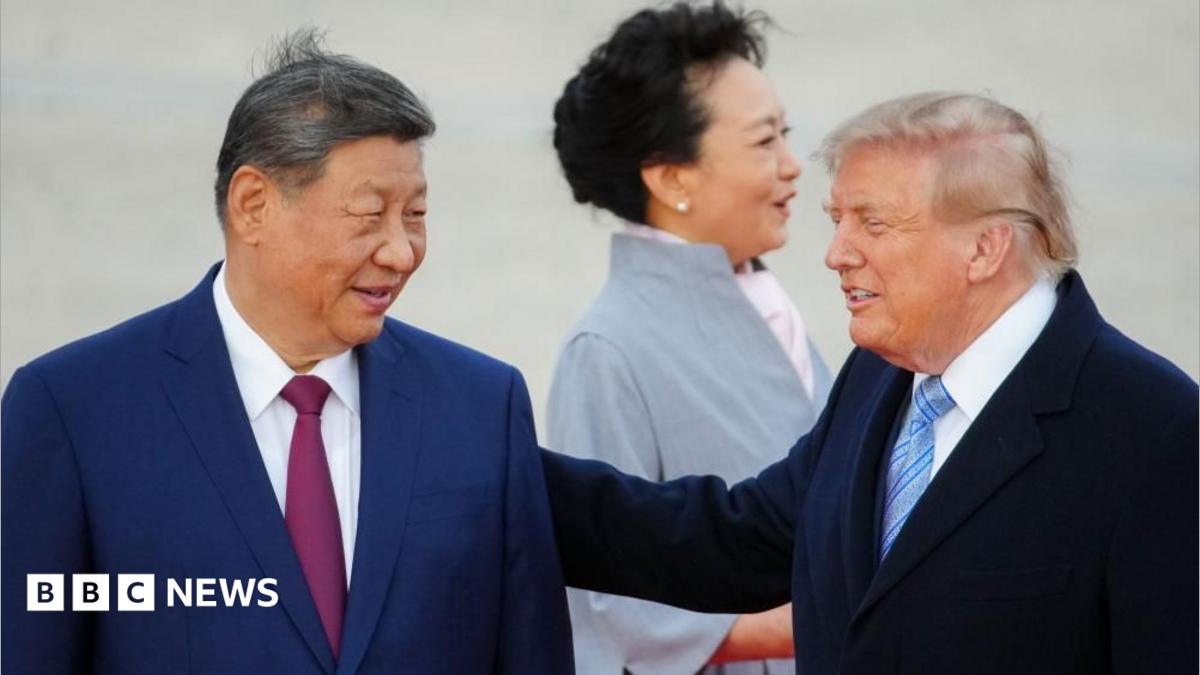
Geopolitical & Core Developments
In a diplomatic breakthrough that has immediately resonated across capitals worldwide, the United States and China have formally agreed to extend their existing trade truce. The announcement materialized precisely as Chinese President Xi Jinping arrived on American soil for a highly anticipated state visit aimed at stabilizing volatile bilateral relations between the world's two largest economic superpowers. United States Treasury Secretary confirmed the breakthrough following intensive preparatory negotiations between high-level delegations from both nations.
The visit represents a critical juncture in contemporary geopolitics. Over the past several years, strategic competition spanning technology transfers, maritime security in the Indo-Pacific, and industrial subsidies has pushed diplomatic channels to their limits. However, the decision to extend the trade truce demonstrates a pragmatic willingness from both Washington and Beijing to insulate the global economy from immediate friction. State actors have emphasized that while fundamental structural disagreements remain unresolved, establishing a temporary regulatory and tariff standstill creates a necessary breathing room for more profound diplomatic engagement.
[Global Trade](/news/trump-xi-jinping-us-summit-global-trade-geopolitics) & Economic Ripples
The immediate extension of the trade truce has sent positive shockwaves through global commodity markets and international shipping networks. For months, industrial manufacturers, energy traders, and logistics conglomerates had braced for a potential escalation in punitive tariffs that threatened to disrupt critical trans-Pacific supply chains. The removal of this near-term threat has stabilized benchmark crude oil futures, industrial metals, and agricultural commodities, easing immediate cost-push inflationary pressures that central banks have battled rigorously.
Furthermore, international shipping lanes, particularly container traffic traversing the Pacific corridor, are expected to maintain steady operational volumes without the looming threat of sudden tariff barriers. Currency markets similarly registered a stabilizing effect, as foreign exchange traders found reassurance in the renewed commitment to economic dialogue. Emerging market economies, which are deeply vulnerable to shifts in Sino-American trade policies, have welcomed the agreement as a vital buffer against currency depreciation and capital flight.
Related Intelligence: Nepal Flood Crisis Tests Regional Supply Chains and Climate Resilience
International Reactions & Diplomatic Stances
International reactions to the diplomatic breakthrough have been largely welcoming, though tempered by realistic appraisals of ongoing systemic rivalries. Representatives from the United Nations and various multilateral financial institutions issued statements praising the de-escalation, noting that cooperation between Washington and Beijing is indispensable for tackling global macroeconomic challenges, including sovereign debt restructuring and climate finance.
Market analysts and major investment banking institutions have revised their near-term forecasts to reflect lower geopolitical risk premiums. Nevertheless, prominent trade economists caution that a temporary truce does not equate to a permanent resolution. Industry stakeholders continue to monitor legislative developments in both capitals, cognizant that underlying technological decoupling and national security measures remain fully active despite the negotiated pause in tariff escalation.
Strategic Outlook & Future Scenarios
Looking ahead, the trajectory of US-China relations will depend heavily on the follow-through of commitments made during the current summit. Upcoming multilateral forums, including upcoming G20 meetings and Asia-Pacific Economic Cooperation sessions, will serve as crucial barometers for whether this trade truce can evolve into a broader structural framework for peaceful economic coexistence.
While the immediate risk of a tit-for-tat trade war has receded, long-term geopolitical escalation points persist. Issues surrounding semiconductor supply chains, intellectual property protections, and regional sovereignty will continue to test the resilience of bilateral diplomacy. For global commercial entities and commodity traders, maintaining flexible supply chain architectures remains essential as both superpowers navigate this delicate balance of strategic competition and economic interdependence.
Join Our Official WhatsApp Channel
Receive live commodity alerts, policy changes, and commercial intelligence directly on WhatsApp.