
Trump and Xi Summit Underscores High-Stakes Geopolitical Realignment
A high-profile diplomatic meeting featuring strategic military displays highlights the delicate balance of power and commercial interdependence between the United States and China.
Geopolitical & Core Developments
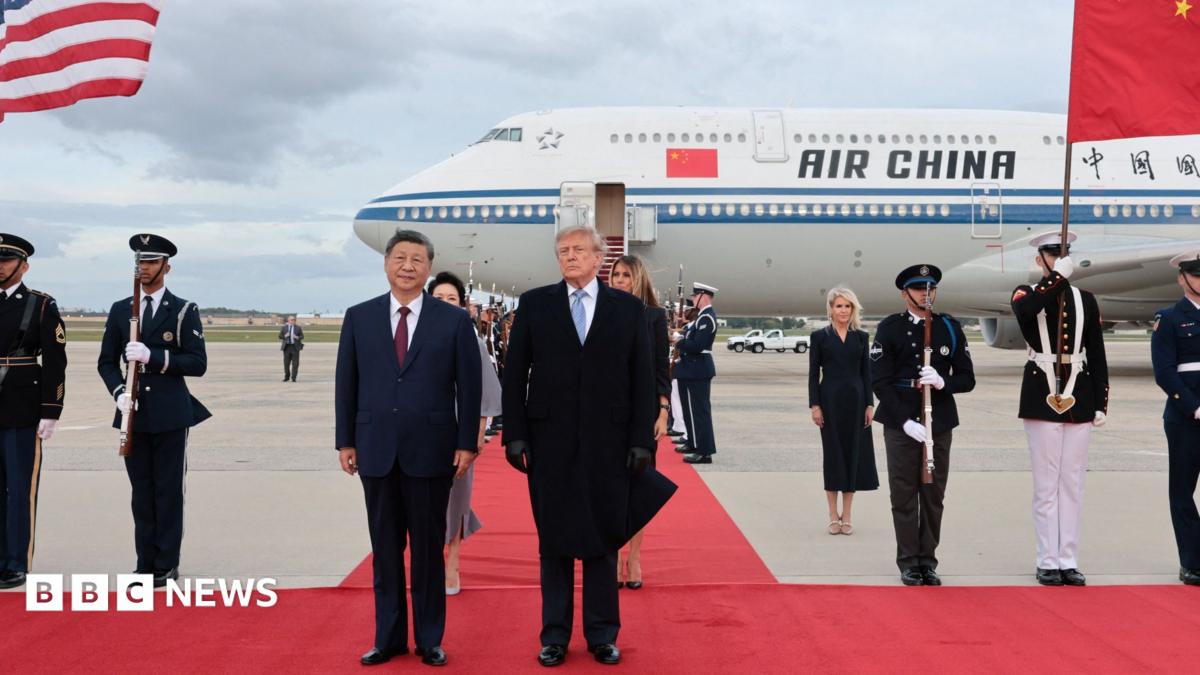
The recent high-level diplomatic engagement between Washington and Beijing marked a critical juncture in contemporary international relations, blending ceremonial pageantry with acute strategic signaling. The welcoming ceremony, underscored by a deliberate military flyover featuring two B-1 strategic bombers, served as a potent reminder of the underlying military competition that defines the world's most consequential bilateral relationship. The deafening roar of the heavy bombers overhead was no diplomatic accident; it was a carefully choreographed message regarding American strategic reach and combat readiness, even as both administrations sought to stabilize diplomatic channels. State actors on both sides navigated a complex web of domestic political pressures and international expectations, attempting to project strength while simultaneously laying the groundwork for risk-reduction mechanisms. This summit encapsulated the paradox of modern superpower relations: deep economic integration running parallel to intensifying security competition across the Indo-Pacific region and beyond.
[Global Trade](/news/trump-xi-jinping-us-summit-global-trade-geopolitics) & Economic Ripples
Beyond the diplomatic theater, international commodity markets and global supply chains immediately absorbed the reverberations of the summit. Traders across energy, agricultural, and industrial metals sectors scrutinized every communiqué for shifts in tariff policies, export controls, and currency valuations. The prospect of prolonged bilateral friction or, conversely, a managed trade truce directly influences shipping lanes in the South China Sea and global maritime logistics costs. Industrial metals and energy commodities, particularly crude oil and liquefied natural gas, experienced heightened volatility as algorithmic traders and institutional investors weighed potential disruptions against the promise of increased commercial cooperation. Multinational corporations dependent on Sino-American supply chains continue to accelerate diversification strategies, shifting manufacturing footprints toward Southeast Asia and Latin America to hedge against structural geopolitical unpredictability.
Related Intelligence: Trump and Xi Open High-Stakes US Summit to Reset Global Trade
International Reactions & Diplomatic Stances
Global capitals and multilateral institutions responded to the summit with a mixture of cautious optimism and strategic anxiety. European Union officials emphasized the need for multilateral adherence to international trade rules, while regional powers in the Indo-Pacific monitored the talks for any bilateral compromises that might undermine their own security architectures. Market analysts at major financial institutions noted that while the visual optics of the meeting suggested a thawing of icy relations, the lack of binding multilateral frameworks left investors wary. The United Nations underscored the necessity of stable great-power relations for addressing global challenges such as climate change, debt restructuring in developing nations, and macroeconomic stability, reminding stakeholders that economic fragmentation carries a steep global toll.
Strategic Outlook & Future Scenarios
Looking ahead, the trajectory of US-China relations will likely be defined by a series of upcoming bilateral summits and working-group negotiations focused on technology transfer, intellectual property protection, and maritime security protocols. Escalation points remain sharply defined around semiconductor supply chains, territorial claims in the South China Sea, and the geopolitical status of Taiwan. Sanctions regimes and export controls will continue to serve as primary instruments of statecraft, even as diplomatic channels remain open to prevent catastrophic miscalculation. For global traders and geopolitical strategists, the coming months will require constant vigilance, balancing the opportunities of resumed high-level dialogue against the structural inevitability of strategic competition.
Join Our Official WhatsApp Channel
Receive live commodity alerts, policy changes, and commercial intelligence directly on WhatsApp.