
Iran Rejects Bullying in Defiant UN Address While Signaling Openness to Talks
Iranian leadership balanced defiance against external pressure with an openness to dialogue during a high-stakes UN address, sending ripples through international energy and commodity markets.
Geopolitical & Core Developments
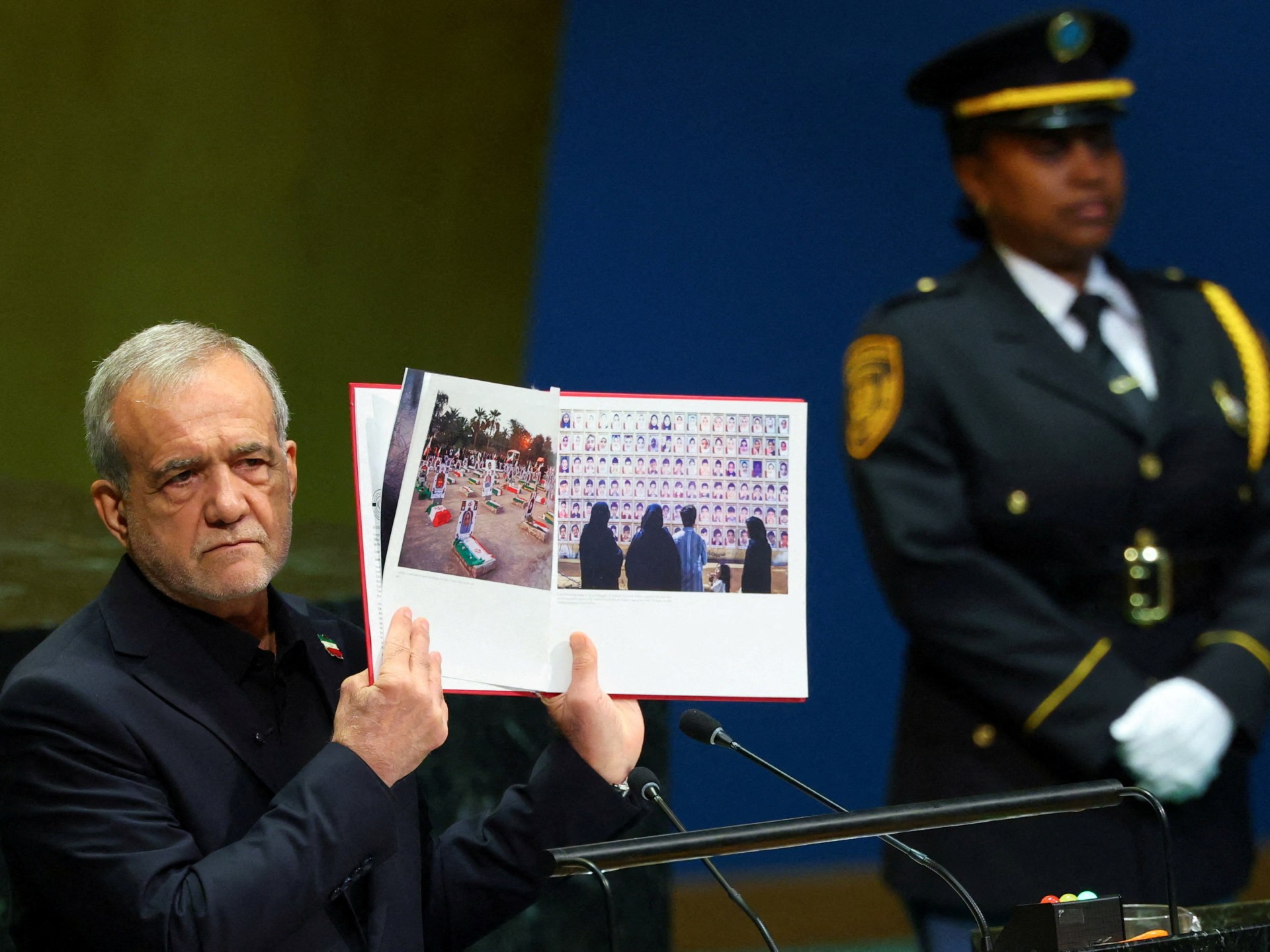
In a high-stakes address at the United Nations, the Iranian leadership articulated a firm rejection of what it characterized as economic and diplomatic coercion, while simultaneously keeping the door open for renewed negotiations. The speech underscored Tehran's official stance that it will not bow to unilateral pressure campaigns orchestrated by Western adversaries. This diplomatic positioning comes amid a backdrop of protracted regional friction, where military posturing and covert operations have brought the Middle East to a delicate strategic precipice. State actors across the region are reevaluating their security postures as diplomatic channels remain strained by unresolved disputes concerning nuclear enrichment, regional proxy networks, and enforcement of international sanctions.
[Global Trade](/news/trump-xi-jinping-us-summit-global-trade-geopolitics) & Economic Ripples
For international commodity markets, the rhetoric from Tehran serves as an immediate reminder of the fragile security environment governing the world's primary energy arteries. Crude oil benchmarks experienced notable intraday volatility as traders priced in the heightened risk of supply disruptions in the Persian Gulf and the Strait of Hormuz—a crucial maritime chokepoint through which a significant portion of global petroleum passes. Beyond energy, international shipping firms are reviewing contingency routes to mitigate potential insurance premium spikes and operational delays. Industrial metal markets and agricultural supply chains are also monitoring the situation closely, as any broadening of regional hostilities could choke vital trade corridors connecting Europe, Asia, and the Middle East, ultimately driving inflationary pressures higher across major economies.
Related Intelligence: Trump and Xi Open High-Stakes US Summit to Reset Global Trade
International Reactions & Diplomatic Stances
Global capitals and multilateral organizations have responded to Tehran's UN statements with a mixture of cautious optimism and skepticism. United Nations officials reiterated calls for maximum restraint, emphasizing that dialogue remains the sole viable pathway to long-term regional stability. European Union diplomats stressed that while they remain open to reviving diplomatic frameworks, tangible de-escalation steps are required from Iranian authorities to rebuild trust. Meanwhile, market analysts and geopolitical risk consultancies have cautioned clients against complacency, noting that the rhetoric from Tehran reflects a domestic imperative to project strength even as economic pressures mount under the weight of international sanctions.
Strategic Outlook & Future Scenarios
Looking ahead, the trajectory of international relations and trade stability in the region hinges on whether back-channel diplomacy can translate defiant rhetoric into substantive negotiations. Upcoming diplomatic summits and ministerial meetings will serve as critical barometers for assessing whether a diplomatic breakthrough is achievable before the end of the fiscal year. Failure to establish meaningful guardrails risks triggering a cycle of retaliatory economic measures, further tightening of maritime sanctions, and potential kinetic escalation. For global enterprises and commodity traders, maintaining flexible supply chain architectures and robust risk mitigation strategies remains paramount as the geopolitical landscape evolves.
Join Our Official WhatsApp Channel
Receive live commodity alerts, policy changes, and commercial intelligence directly on WhatsApp.