
Karachi University Assault Case Ends in Reconciliation Between Professor and Accused
University of Karachi Professor Arif Khan Saqi has officially reconciled with Konain Shah following a high-profile assault dispute, bringing a controversial campus altercation to a close.
The Core Development
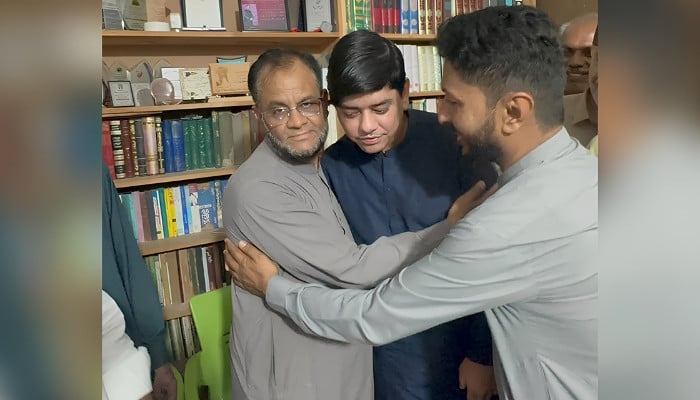
In a significant development for academic and civic circles in Pakistan's largest metropolis, University of Karachi Professor Arif Khan Saqi has officially announced a reconciliation with Konain Shah, the individual previously accused of assaulting him. The incident, which sent shockwaves through the academic community and drew widespread media attention across national platforms, centered around a violent altercation on campus grounds. According to details emerging from institutional channels, the two parties met in a formal setting to resolve their differences amicably, choosing a path of mutual understanding over prolonged litigation. The original altercation had prompted immediate intervention from university security personnel and local law enforcement agencies, leading to the registration of formal complaints and widespread debate regarding the safety of academic staff within public sector universities. The resolution of this dispute marks the conclusion of a tense chapter that had paralyzed several administrative departments and drawn concern from civil society organizations regarding the rule of law within higher education institutions.
Commercial & Economic Implications
While the altercation itself was localized to the University of Karachi campus, incidents of high-profile civil unrest and physical conflict carry broader psychological and economic reverberations for the urban center of Karachi. Higher education institutions serve as critical anchor points for human capital development, talent pipelines, and local retail and transport ecosystems that rely on steady student and faculty footfall. Instability, strikes, or prolonged security crises within academic zones indirectly disrupt surrounding commercial activities, including transport services, campus-adjacent retail trade, and wholesale supply chains catering to student housing and university cafeterias. Furthermore, investor confidence—both domestic and foreign—is inextricably linked to the perception of social stability and institutional governance. When key professionals, such as senior university professors, face security vulnerabilities, it undermines the broader business climate, potentially affecting corporate partnerships with academic institutions and stalling collaborative research and development initiatives that drive industrial innovation.
Related Intelligence: Lahore High Court Challenges Detention of Imran Khan Sisters
Stakeholder Perspectives & Market Reactions
The reconciliation has elicited diverse reactions from academic bodies, trader associations, and legal experts across Sindh. Representatives from various faculty associations expressed relief that the matter has been settled out of court, emphasizing the need to preserve the dignity of educators while prioritizing a peaceful academic environment. Conversely, legal analysts have pointed out the complexities surrounding criminal complaints involving physical assault, noting that while out-of-court settlements are permissible under specific legal provisions, they must strictly adhere to procedural jurisprudence to maintain public trust in the judicial system. Local merchant and trader unions operating in the vicinity of the university also weighed in, noting that campus stability is vital for maintaining steady commercial turnover. Business owners in nearby markets stressed that prolonged agitation or campus closures directly depress daily sales volumes, reiterating their stake in swift and peaceful resolutions to high-profile disputes.
Forward Outlook & Key Watchpoints
As Professor Arif Khan Saqi and Konain Shah move past the controversy, attention shifts toward the long-term administrative measures being implemented by the University of Karachi management to prevent similar incidents. Stakeholders will closely monitor campus security protocols, the enforcement of disciplinary codes of conduct, and the administration's responsiveness to faculty grievances. For the broader business and academic community, the key watchpoints include the strengthening of institutional governance, the enhancement of physical security infrastructure across public universities, and the establishment of robust internal mediation committees designed to resolve disputes before they escalate into public confrontations. Ensuring a secure, predictable environment remains paramount for safeguarding educational continuity and fostering a stable socioeconomic climate in Karachi.
Join Our Official WhatsApp Channel
Receive live commodity alerts, policy changes, and commercial intelligence directly on WhatsApp.