
Trump Rebukes Houthi Escalation Following Aviation Disruptions Across Saudi Arabia
President Donald Trump condemned Yemen's Houthi movement as flight disruptions hit Riyadh's commercial aviation hub, reigniting fears over Gulf security, energy infrastructure, and regional logistics corridors.
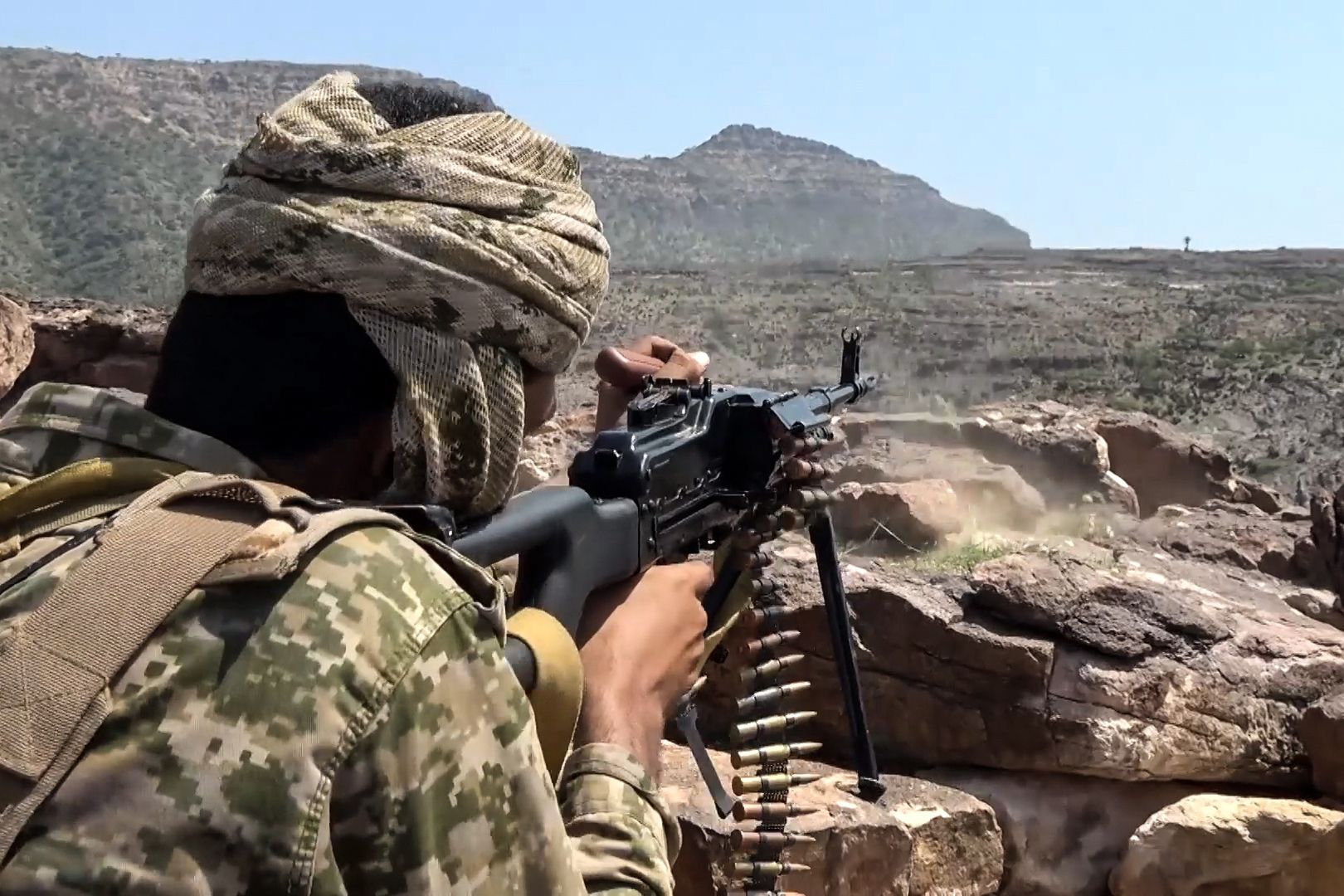
Geopolitical & Core Developments
Cross-border tensions across the Arabian Peninsula reached a sharp inflection point after United States President Donald Trump publicly condemned Yemen's Houthi movement, warning of escalating consequences as the faction intensified regional security challenges. The diplomatic friction coincided with an abrupt suspension of commercial air traffic at King Khalid International Airport in Riyadh, an operational disruption that underscores the vulnerability of vital sovereign hubs amid expanding missile and drone threats.
Saudi civil aviation authorities initiated preventive ground stops and flight diversions following perimeter alerts, reflecting heightened operational vigilance. The Houthi administration in Sanaa, aligned with Tehran, has continuously maintained offensive capabilities targeting critical infrastructure across the Gulf region. This latest friction comes against the backdrop of broader Middle Eastern hostilities, wherein proxy engagements increasingly intersect with sovereign logistics and commercial civil infrastructure, challenging existing regional containment agreements.
Global Trade & Economic Ripples
Commercial disruptions across Gulf transit lanes immediately reverberated through international energy and insurance markets. Benchmark crude contracts, including Brent and West Texas Intermediate, exhibited volatility as energy traders priced in structural supply-chain risks. The intersection of Red Sea maritime transit disruption and Gulf airspace volatility has imposed compounding strain on international freight flows, compelling logistics providers to reassess routing economics.
International aviation carriers and maritime operators face mounting costs associated with war-risk premiums. Extended flight paths required to bypass volatile air defense corridors across the Arabian Peninsula translate directly into heightened fuel burn and scheduling delays. Simultaneously, commercial vessels navigating adjacent straits face continued surveillance and strike risks, reinforcing inflationary pressures on industrial inputs, containerized dry goods, and petrochemical shipments departing key Arabian Gulf terminals.
International Reactions & Diplomatic Stances
President Trump characterized the group's actions as destabilizing and unacceptable, signaling that Washington remains prepared to utilize coercive measures, including enhanced naval interdiction and expanded unilateral sanctions, to protect freedom of navigation and regional allies. U.S. defense officials reiterated their defensive commitments to Riyadh, affirming joint readiness to counter asymmetric aerial capabilities.
Multilateral bodies, including representatives from the United Nations, appealed for restraint to prevent a wider breakdown of the fragile truce mechanisms in Yemen. European diplomatic missions expressed acute concern over the targeting of civilian air corridors, emphasizing that attacks on civil transport hubs constitute severe violations of international conventions. Conversely, regional security analysts cautioned that coercive rhetoric without a comprehensive diplomatic roadmap risks hardening the posture of non-state actors operating within Iran's regional network.
Strategic Outlook & Future Scenarios
The trajectory of the confrontation hinges on whether Washington and its regional partners opt for direct kinetic deterrence or rely on ratcheted secondary sanctions targeting illicit supply networks. Should cross-border projectile salvos persist against high-profile Saudi metropolitan assets, the likelihood of coordinated retaliatory operations against command facilities in western Yemen will rise exponentially.
Furthermore, upcoming diplomatic forums and international energy summits will monitor whether Gulf sovereign actors choose to deploy enhanced missile defense architecture or seek third-party mediation via regional intermediaries. For global businesses, sustained instability threatens to entrench elevated shipping surcharges, reshape air cargo schedules between Europe and Asia, and sustain an unpredictable risk premium across global commodity markets.
Join Our Official WhatsApp Channel
Receive live commodity alerts, policy changes, and commercial intelligence directly on WhatsApp.