
Trump Reopens Engagement With Kim Jong Un as Nuclear Discrepancy Sparks Debate
US President Donald Trump renewed diplomatic overtures toward North Korea's Kim Jong Un, sparking intense debate over Washington's disparate nuclear policies toward Pyongyang and Tehran.
Geopolitical & Core Developments
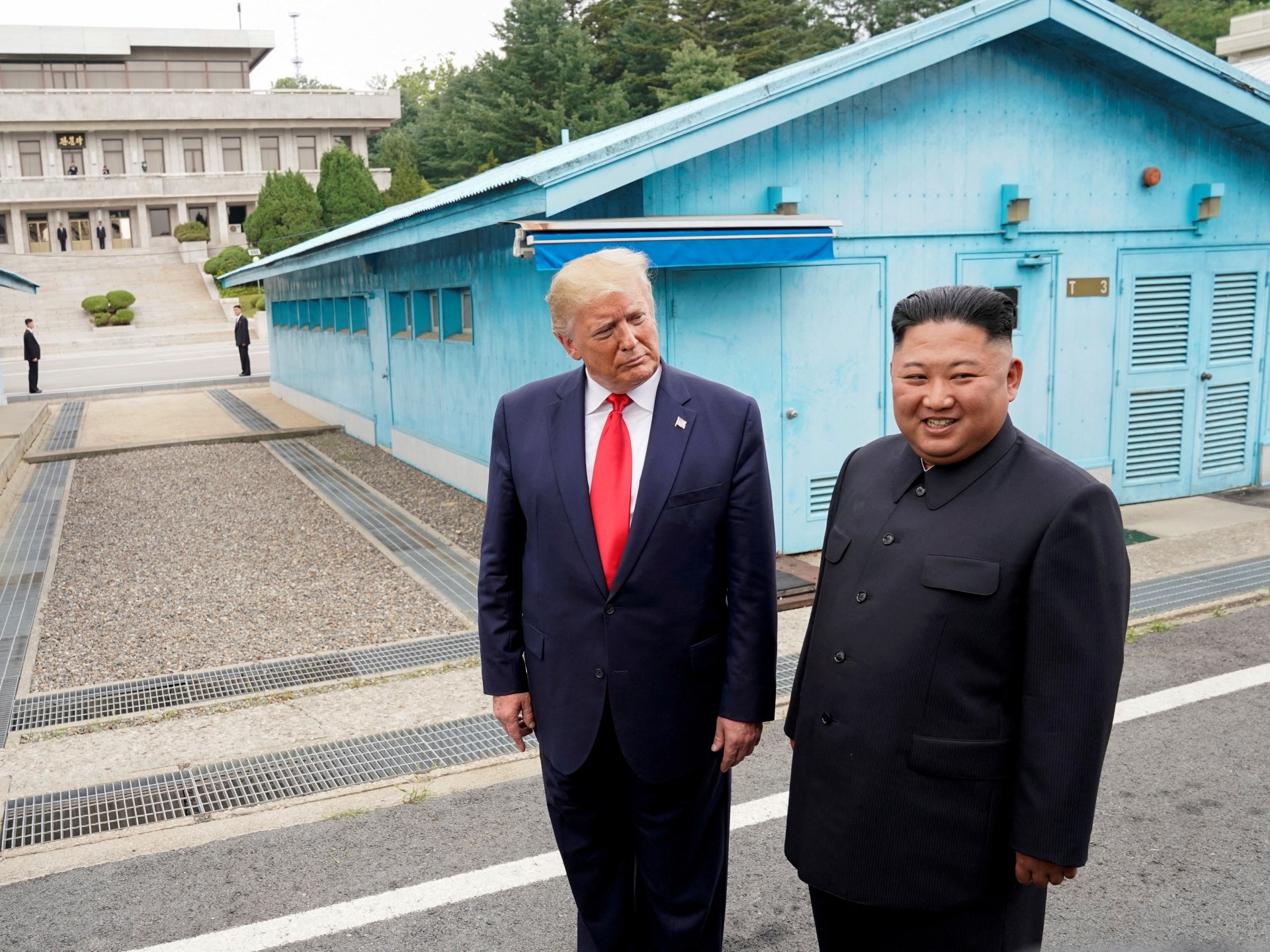
In a striking rhetorical pivot that recalls his first term in office, United States President Donald Trump has publicly referred to North Korean leader Kim Jong Un as a "friend" while downplaying the strategic threat posed by Pyongyang’s expanding nuclear arsenal. The remarks emerged during a high-profile press engagement when the president was pressed on the apparent diplomatic double standard of why North Korea is permitted to maintain advanced nuclear capabilities while Washington enforces a maximum pressure campaign to block Iran from acquiring similar atomic status.
This development breathes new life into the possibility of renewed personal diplomacy between Washington and Pyongyang, bypassing traditional bureaucratic channels and State Department intermediaries. During his previous administration, Trump engaged in historic summitry with Kim in Singapore and Hanoi, though those negotiations ultimately collapsed over the scope of sanctions relief and the complete denuclearization of the Korean Peninsula. By minimizing the urgency of North Korea's nuclear advancements—which now include solid-fuel intercontinental ballistic missiles and tactical nuclear warheads—the administration risks unsettling traditional security alliances in East Asia, particularly in Seoul and Tokyo, where the threat profile from the North remains an acute daily concern.
Global Trade & Economic Ripples
While high-level diplomatic signaling often appears detached from day-to-day commerce, shifts in the security architecture of the Korean Peninsula carry profound implications for global trade and international shipping lanes. East Asia represents a critical engine of the global economy, housing some of the world’s busiest container ports, semiconductor fabrication hubs, and vital maritime transit corridors, including the Taiwan Strait and the Yellow Sea. Any resurgence of regional tensions or sudden thaw in US-North Korea relations directly impacts investor sentiment across Asian bourses.
Commodity markets, particularly energy futures and industrial metals, remain sensitive to geopolitical risk premiums in Northeast Asia. Shipping companies constantly factor peninsula instability into marine insurance rates and route planning. Furthermore, a perceived softening of Washington's stance toward a recognized nuclear weapons state introduces unpredictable variables into global non-proliferation compliance, potentially altering long-term trade agreements, defense manufacturing supply chains, and sovereign risk assessments across the broader Indo-Pacific region.
Related Intelligence: French General Strikes Disrupt Trade and Markets Amid Nationwide Civil Unrest
International Reactions & Diplomatic Stances
The international community has responded to the renewed rhetoric with a mixture of quiet alarm and diplomatic recalibration. Officials within the United Nations Office for Disarmament Affairs reiterated the organization's steadfast commitment to the complete, verifiable, and irreversible denuclearization of the Korean Peninsula, emphasizing that international law and Security Council resolutions treat Pyongyang's nuclear status as illegal.
Meanwhile, regional allies have scrambled to interpret Washington's long-term intentions. South Korean defense and foreign policy establishments expressed apprehension that a personalized diplomatic track could sideline Seoul's core security interests. Conversely, geopolitical analysts note that adversarial states, particularly Tehran, will likely leverage the perceived inconsistency in US foreign policy to challenge the legitimacy of Western sanctions and multilateral non-proliferation regimes in global forums.
Strategic Outlook & Future Scenarios
As the geopolitical landscape evolves, the trajectory of US-North Korea relations will depend heavily on whether back-channel communications translate into formal summit preparations. Should the two leaders pursue direct talks, global markets could experience a temporary relief rally driven by reduced immediate conflict risks on the peninsula. However, structural challenges remain formidable, as Pyongyang has firmly rejected unilateral disarmament.
Sanctions enforcement mechanisms may face strain if Washington pursues a more transactional or accommodating posture toward the Kim regime. Ultimately, the broader strategic fallout will test the resilience of American alliances in the Indo-Pacific, forcing regional powers to hedge their bets against a volatile backdrop of shifting diplomatic alignments and enduring nuclear proliferation challenges.
Join Our Official WhatsApp Channel
Receive live commodity alerts, policy changes, and commercial intelligence directly on WhatsApp.