
French General Strikes Disrupt Trade and Markets Amid Nationwide Civil Unrest
Nationwide strikes and violent student protests across France paralyze transport networks and key economic sectors, triggering widespread commercial disruptions and dampening market confidence.
Geopolitical & Core Developments
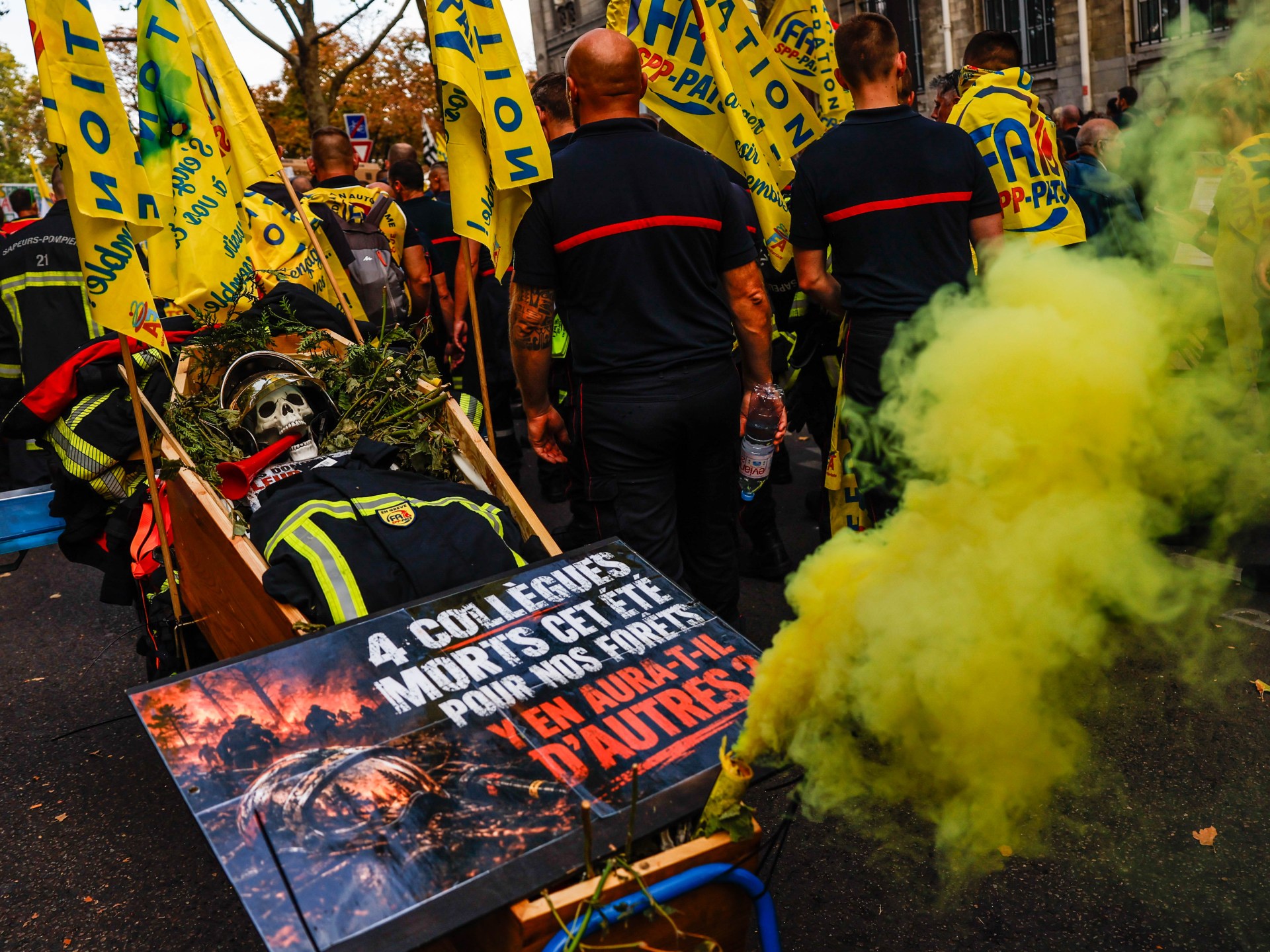
A wave of severe industrial action has paralyzed major urban centers across France, as tens of thousands of public sector workers and student demonstrators take to the streets to protest stagnant wages and sweeping public expenditure reforms. The demonstrations, which rapidly escalated from organized labor marches into intense clashes with law enforcement, resulted in over 440 arrests nationwide. Security forces deployed tear gas and riot control tactics around major academic institutions and transportation hubs as barricades were erected and property damage was reported in Paris, Marseille, and Lyon.
The domestic political landscape faces an acute stress test as President Emmanuel Macron’s administration attempts to defend its fiscal consolidation agenda against unified labor opposition. Public sector unions, representing transport, education, and municipal services, have vowed to sustain rolling walkouts unless the government reopens negotiations on compensation adjustments to counter ongoing inflationary pressures. The convergence of labor unions and student movements has created a formidable coalition, intensifying the legislative and social deadlock facing the executive branch.
Global Trade & Economic Ripples
The industrial unrest has triggered immediate bottlenecks across European supply chains and international logistics networks. Key freight corridors connecting French ports to inland distribution hubs experienced substantial slowdowns, affecting the timely transit of manufactured goods, agricultural commodities, and energy products. Rail and air transport cancellations have disrupted cross-border business travel and freight movement, imposing logistical costs on multinational corporations relying on just-in-time inventory systems.
Energy distribution and refining capacity have also experienced precautionary reductions as refinery workers joined picket lines, raising immediate concerns over localized fuel shortages and near-term petroleum product pricing stability within the single currency zone. Foreign exchange markets registered mild downward pressure on the Euro as currency traders weighed the potential dampening effect of prolonged domestic disruption on France's second-quarter economic output and broader eurozone growth metrics.
Related Intelligence: Catastrophic Floods in Nepal Trigger Supply Chain and Infrastructure Alarms
International Reactions & Diplomatic Stances
International financial institutions and trade bodies have closely monitored the escalation, noting the vulnerability of core European economies to domestic labor friction. Market analysts from major global investment banks issued advisories highlighting the risk of cascading consumer confidence declines across the European Union. While multilateral organizations such as the International Labour Organization emphasized the fundamental right to peaceful assembly, economic commentators stressed the urgent need for structural social dialogue to prevent permanent damage to investor sentiment.
Neighboring European governments expressed concern over potential cross-border transit delays, particularly regarding freight movements through vital trans-Alpine and northern European corridors. Chambers of commerce across the continent urged swift resolution to mitigate collateral losses for export-dependent industries that depend on uninterrupted access to French transport infrastructure.
Strategic Outlook & Future Scenarios
Looking ahead, the trajectory of the French labor movement will heavily influence upcoming legislative debates regarding fiscal policy and labor market flexibility. If the government maintains its current stance without offering meaningful concessions, further escalation is likely, potentially expanding into energy and telecommunications sectors. Conversely, any compromise on wage indexing could undermine fiscal deficit targets monitored closely by the European Commission.
Upcoming European trade summits and national budget reviews will serve as critical barometers for assessing the resilience of the French economy against persistent domestic friction. Investors will maintain a cautious posture, pricing in elevated political risk premiums for French sovereign debt and domestic equities until a definitive resolution to the industrial impasse is negotiated.
Join Our Official WhatsApp Channel
Receive live commodity alerts, policy changes, and commercial intelligence directly on WhatsApp.