
Trump Rejects Iranian Hormuz Plan Amid Escalating Maritime Standoff
US President Donald Trump has rejected Tehran's seven-day plan to reopen the vital Strait of Hormuz, maintaining strict military blockades as regional tensions persist.
The Core Development
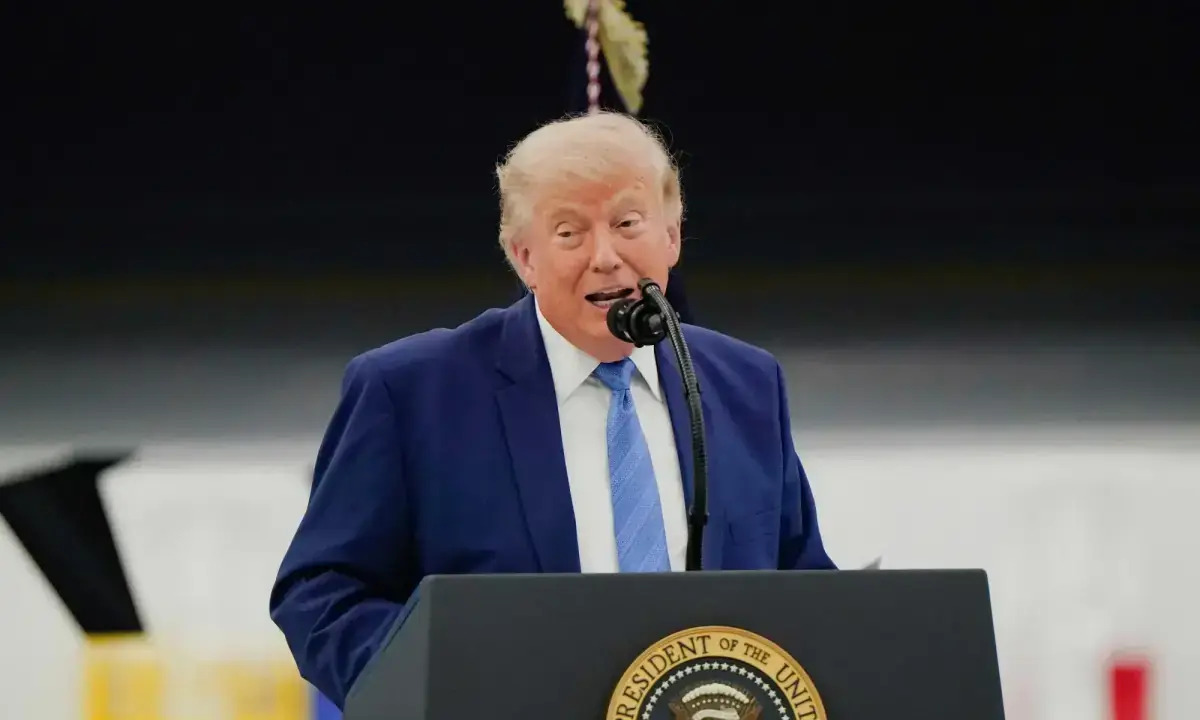
Tensions in the Middle East reached a critical juncture this week as United States President Donald Trump formally rejected a concrete proposal presented by Iran regarding the reopening of the strategic Strait of Hormuz. The diplomatic overture, conveyed through Qatari intermediaries, offered a seven-day framework aimed at easing maritime restrictions in the vital waterway. However, President Trump rebuffed the initiative, asserting that Washington has enforced the "greatest blockade in military history" against Tehran.
The Strait of Hormuz serves as a primary global artery for petroleum transit, carrying a significant percentage of the world's daily crude oil supply. The waterway has remained a central flashpoint in the persistent military and diplomatic standoff between the United States and Iran, which has now endured for nearly seven months without a definitive resolution. Recent diplomatic engagements at the United Nations General Assembly in New York, including high-level talks between Iranian Foreign Minister Abbas Araghchi and US special envoy Steve Witkoff, had sparked cautious optimism for a negotiated breakthrough before this latest rejection.
Commercial & Economic Implications
For import-dependent emerging economies such as Pakistan, the prolonged closure and militarization of the Strait of Hormuz present severe structural vulnerabilities. As a nation reliant on petroleum imports to meet domestic energy demands, any sustained disruption in Persian Gulf shipping lanes directly impacts Pakistan's current account deficit, foreign exchange reserves, and overall balance of payments.
Wholesale distribution networks and retail markets across Pakistan face immediate exposure to imported inflationary pressures. Fluctuations in global crude benchmarks driven by Middle Eastern maritime security risks translate rapidly into higher domestic fuel tariffs. This escalation cascades across the industrial sector, inflating transportation costs, manufacturing overheads, and agricultural input prices. Consequently, urban consumers and rural households alike bear the burden of elevated utility bills and generalized price hikes, complicating the central bank's monetary policy management and growth projections.
Related Intelligence: Iraq Seeks US Waiver on Iranian Flights Amid Regional Sanctions Pressures
Stakeholder Perspectives & Market Reactions
Business councils, trade federations, and energy sector experts in Pakistan have expressed deep concern over the hardening stance between Washington and Tehran. Industry representatives note that prolonged uncertainty in global shipping corridors disrupts supply chain predictability, forcing local manufacturers to secure alternative, costlier procurement channels.
Legal and geopolitical analysts suggest that the failure of current mediation efforts underscores the fragility of international trade routes passing through volatile zones. Financial markets have responded with cautious hedging, as investors monitor the trajectory of crude futures and regional security developments. Chambers of commerce have urged domestic policymakers to enhance strategic petroleum reserves and accelerate long-term diversification toward renewable and regional pipeline energy alternatives to insulate local industry from external shocks.
Forward Outlook & Key Watchpoints
As the diplomatic stalemate continues, market participants and policy analysts are closely monitoring several critical indicators over the coming weeks. Key watchpoints include potential shifts in US enforcement posture regarding the maritime blockade, the responsiveness of OPEC+ member states to supply deficits, and whether regional mediators like Qatar can revive backchannel negotiations.
For Pakistan's economic planners, the immediate priority remains vigilant tracking of international Brent pricing and domestic fiscal buffers. Should the maritime blockade persist without a diplomatic off-ramp, inflationary pressures and fiscal deficits will require targeted intervention to protect vulnerable economic sectors from sustained external volatility.
Join Our Official WhatsApp Channel
Receive live commodity alerts, policy changes, and commercial intelligence directly on WhatsApp.