
Trump Rejects Iran Sanctions Relief Reports Amid Escalating Tensions
US President Trump has rejected media reports claiming his administration offered Iran sanctions relief and access to frozen funds, heightening geopolitical anxiety across global energy markets.
Geopolitical & Core Developments
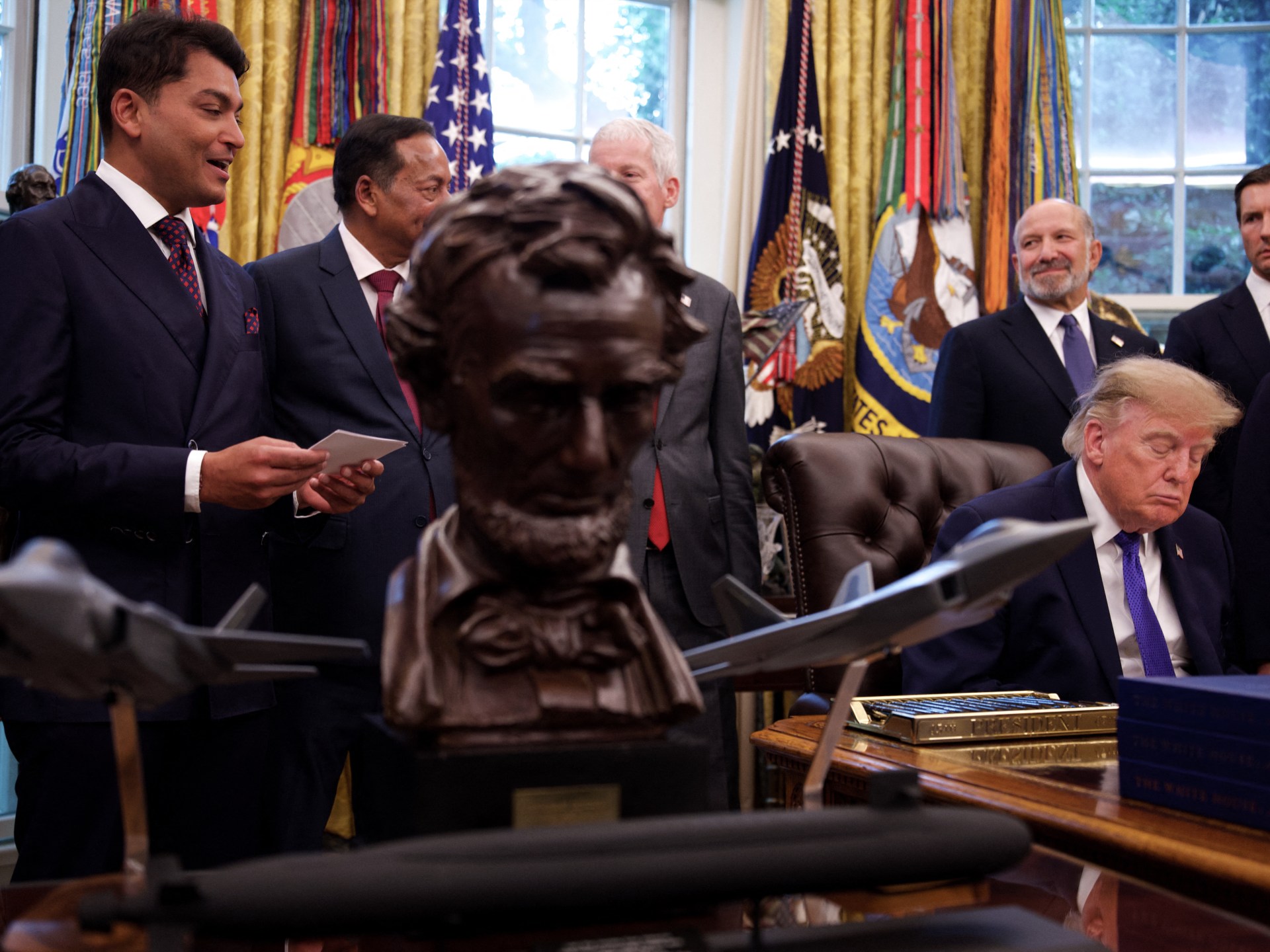
United States President Donald Trump has formally rejected widespread media reports suggesting his administration offered the Iranian government comprehensive sanctions relief alongside access to billions of dollars in frozen sovereign funds. The speculative reports, which circulated across major international news networks earlier in the week, had briefly raised expectations of a diplomatic thaw between Washington and Tehran. However, President Trump's definitive rebuttal via social media and official press briefings has abruptly closed the door on unverified backchannel negotiations, reinforcing Washington's strict adherence to its maximum pressure campaign.
The swift clarification underscores the volatile nature of US-Iran relations, where diplomatic rumors can instantly disrupt delicate security balances across the Middle East. State actors in the region, alongside intelligence agencies, have been closely monitoring potential openings for dialogue amid persistent friction over Iran's nuclear enrichment program and its support for regional proxy networks. By dispelling notions of imminent financial concessions, the White House has signaled that any future diplomatic engagement remains contingent upon fundamental behavioral shifts from Tehran, leaving security dynamics precariously deadlocked.
Global Trade & Economic Ripples
International commodity markets reacted swiftly to the diplomatic mixed signals, with crude oil benchmarks experiencing immediate intraday volatility. Energy traders, who had temporarily priced in a potential return of Iranian barrels to formal global markets, quickly readjusted their risk premiums following the White House denial. The prospect of sustained sanctions maintenance ensures that approximately one to 1.5 million barrels per day of Iranian crude will remain officially locked out of compliant international trade channels, keeping global supply margins tight as winter demand approaches.
Beyond direct energy pricing, the ongoing standoff continues to exert subtle upward pressure on maritime insurance and freight rates across vital shipping chokepoints, including the Strait of Hormuz. International supply chain managers and shipping conglomerates are maintaining elevated security protocols to navigate potential retaliatory maneuvers or asymmetric maritime disruptions. Furthermore, broader macroeconomic indicators, including safe-haven currency flows and gold valuations, reflected cautious sentiment as institutional investors factored in the persistent risk of localized military escalation.
Related Intelligence: Iran Defends Hormuz Strategy Amid Unabated Global Oil Flows
International Reactions & Diplomatic Stances
Multilateral bodies and European diplomatic missions have responded to the development with cautious guardedness, emphasizing the urgent need for renewed diplomatic frameworks to prevent miscalculation. Representatives from the International Atomic Energy Agency (IAEA) reiterated calls for transparent cooperation and unhindered inspector access, warning that the absence of formal political dialogue increases the risk of irreversible nuclear escalation. Meanwhile, regional powers in the Persian Gulf have expressed relief at the reaffirmation of firm containment policies, even as they quietly urge both Washington and Tehran to maintain open communication channels to avert accidental conflict.
Market analysts and geopolitical risk consultancies have noted that the episode highlights the susceptibility of global asset prices to unsubstantiated media narratives in high-stakes geopolitical environments. Financial institutions are increasingly deploying advanced algorithmic sentiment tracking to filter out speculative diplomatic noise, though fundamental exposure to Middle Eastern supply shocks remains a primary concern for institutional portfolios.
Strategic Outlook & Future Scenarios
Looking ahead, the trajectory of US-Iran relations points toward prolonged economic warfare and strategic containment rather than imminent rapprochement. With the White House dismissing financial incentives, Tehran is expected to accelerate its domestic nuclear milestones or adopt a more assertive posture in regional proxy theatres. Upcoming diplomatic summits at the United Nations General Assembly and regional security forums will serve as critical barometers for whether secondary actors can bridge the widening diplomatic gulf.
For global commodity traders, the immediate focus shifts back to enforcement mechanisms surrounding existing petroleum sanctions, particularly regarding illicit ship-to-ship transfers and covert exports to Asian refiners. As long as Washington maintains its uncompromising stance and Tehran resists unconditional compliance demands, global energy markets must price in a permanent, high-risk geopolitical premium for the foreseeable future.
Join Our Official WhatsApp Channel
Receive live commodity alerts, policy changes, and commercial intelligence directly on WhatsApp.