
Iran Defends Hormuz Strategy Amid Unabated Global Oil Flows
Tehran lauds maritime pressure tactics while global crude flows persist through the Strait of Hormuz, challenging Washington's hardline deterrence strategy.
Geopolitical & Core Developments
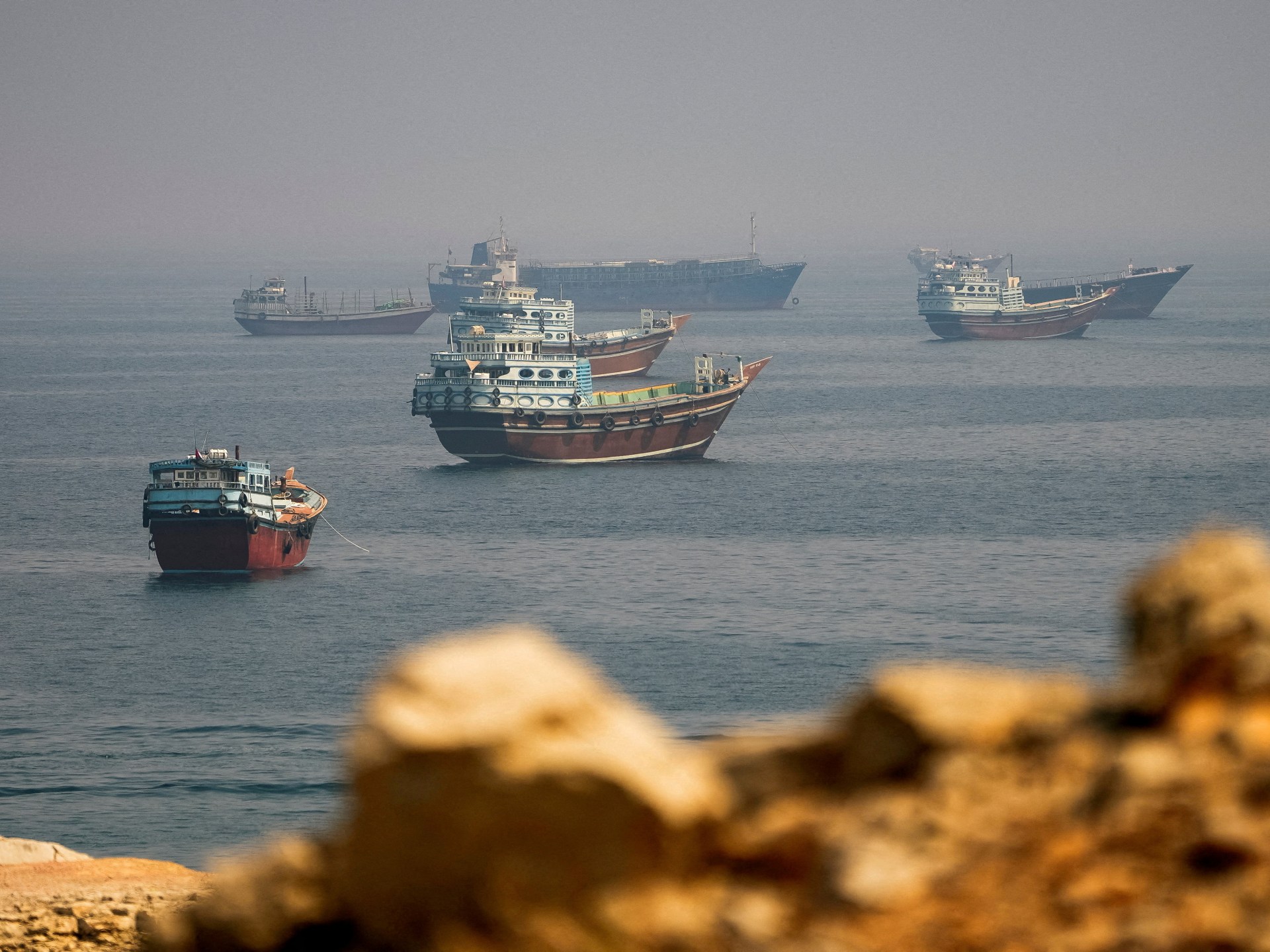
Tensions in the critical waterways of the Middle East have entered a precarious new phase as Iranian state media and military officials actively praise recent operations surrounding the Strait of Hormuz. Despite aggressive posturing and intermittent kinetic friction in these vital maritime chokepoints, international tanker traffic has demonstrated unexpected resilience, continuing to move crude oil and refined products out of the Persian Gulf. Tehran's framing of these incidents as a strategic assertion of sovereignty highlights a deliberate attempt to project regional deterrence.
Simultaneously, the diplomatic track remains fraught with friction. International intermediaries, including European and regional mediators, are frantically attempting to lay the groundwork for renewed diplomatic engagement between Washington and Tehran. However, these efforts face formidable headwinds. The administration in Washington continues to signal unwavering faith in its maximum pressure campaign, combining financial sanctions and naval posture adjustments rather than immediate diplomatic overtures. This standoff creates a dangerous strategic vacuum where misunderstandings at sea could rapidly escalate into broader military confrontation.
Global Trade & Economic Ripples
The persistence of physical oil flows through the Strait of Hormuz—through which roughly a fifth of the world's petroleum consumption passes daily—has prevented a catastrophic supply shock. Nevertheless, global energy markets are far from tranquil. Commodity pricing desks in London, New York, and Singapore are continuously pricing in a volatile geopolitical risk premium. Brent crude and West Texas Intermediate futures have experienced pronounced intraday volatility, reacting instantly to any unverified reports of vessel harassment or naval interdiction in the Persian Gulf.
Beyond direct energy pricing, global supply chains and maritime insurance markets are absorbing mounting operational costs. War-risk insurance premiums for vessels transiting the Gulf have spiked significantly, directly inflating freight rates for charterers and end-users. Dry bulk and containerized shipping industries are also reviewing contingency routes, weighing the exorbitant costs of prolonged transits against the escalating hazard of navigating regional waters. International trade in petrochemicals and liquefied natural gas faces parallel disruptions, casting a long shadow over the stability of global industrial supply chains.
Related Intelligence: Iran Resumes Najaf Flights Amid UN Challenge to US Sanctions
International Reactions & Diplomatic Stances
The international community remains deeply divided over the correct posture to adopt toward the escalating friction. The United Nations has repeatedly issued calls for maximum restraint, emphasizing that any kinetic disruption to the Strait of Hormuz would inflict severe collateral damage on the fragile post-pandemic global economic recovery. Multilateral bodies and major Asian energy importers, who rely heavily on Persian Gulf hydrocarbons, have expressed growing frustration with the lack of direct communication channels between the primary antagonists.
Market analysts and geopolitical risk consultancies warn that current deterrence frameworks are dangerously fragile. While Western intelligence assessments suggest that neither Washington nor Tehran desires an all-out military conflict, the accumulation of tactical escalations increases the probability of miscalculation. Official statements from European capitals underscore a desperate need for de-escalation mechanisms, contrasting sharply with Washington's steadfast doubling down on economic coercion and naval patrols.
Strategic Outlook & Future Scenarios
Looking ahead, the trajectory of the crisis will likely hinge on upcoming diplomatic maneuvers and potential enforcement mechanisms surrounding existing sanctions. If intermediaries fail to bridge the gap between U.S. demands and Iranian red lines, the risk of localized maritime skirmishes will escalate. Such an outcome could force major commercial shipping lines to independently suspend operations in the Gulf, triggering the very supply shock that markets have thus far managed to avoid.
Upcoming international summits and bilateral consultations will serve as critical barometers for whether diplomacy can regain traction. In the interim, global commodity markets must navigate an environment defined by chronic uncertainty. Energy traders, shipping executives, and corporate strategists are bracing for prolonged volatility, recognizing that the delicate equilibrium in the Strait of Hormuz could fracture at a moment's notice.
Join Our Official WhatsApp Channel
Receive live commodity alerts, policy changes, and commercial intelligence directly on WhatsApp.